Every t-shirt brand, budget to luxury
Prices checked August 2026 · 137 brands compared
This link may pay us when you click or buy, at no extra cost to you.
137 brands, one t-shirt each, sorted by price from $7 (Fruit of the Loom) up to $690 (Dior).
Price ladder
Budget
· Under $25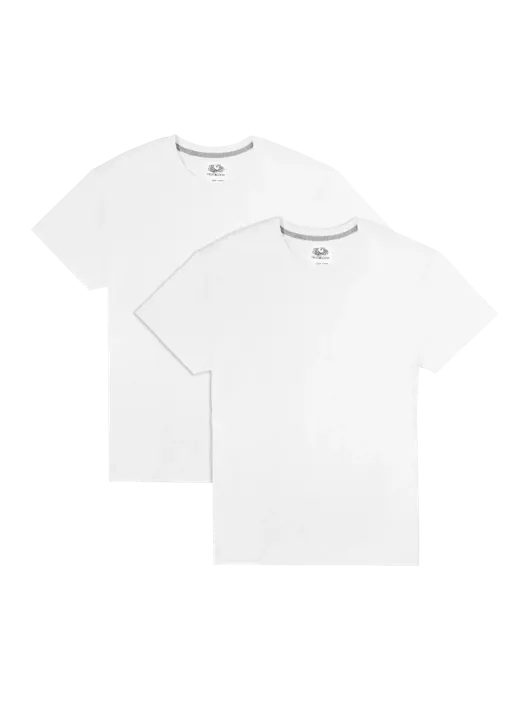
Hard to argue with on cost alone. At well under $10 a shirt these are functional basics, and the Eversoft line in particular gives surprising softness for the money.
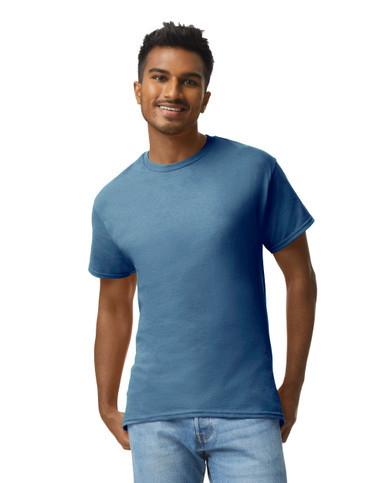
Unbeatable on pure cost. At well under $10 there's nothing to complain about — you're buying a functional blank, and reviewers treat them exactly as disposable as the price implies.
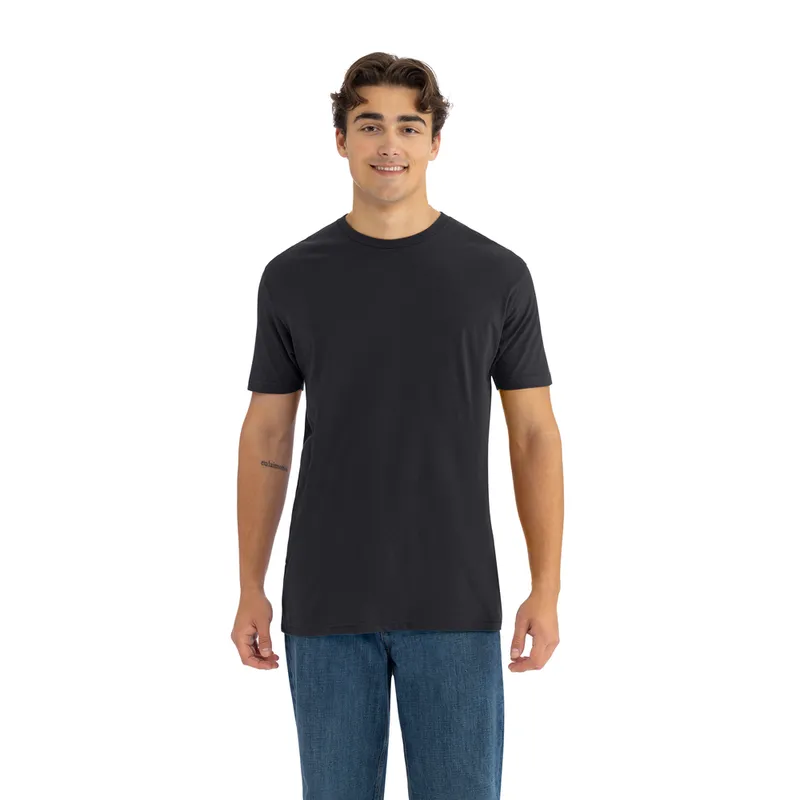
Good value for a soft fashion blank. Around $9 buys a drapey, retail-feel tee that beats basic blanks on hand-feel, with thinness as the trade-off.
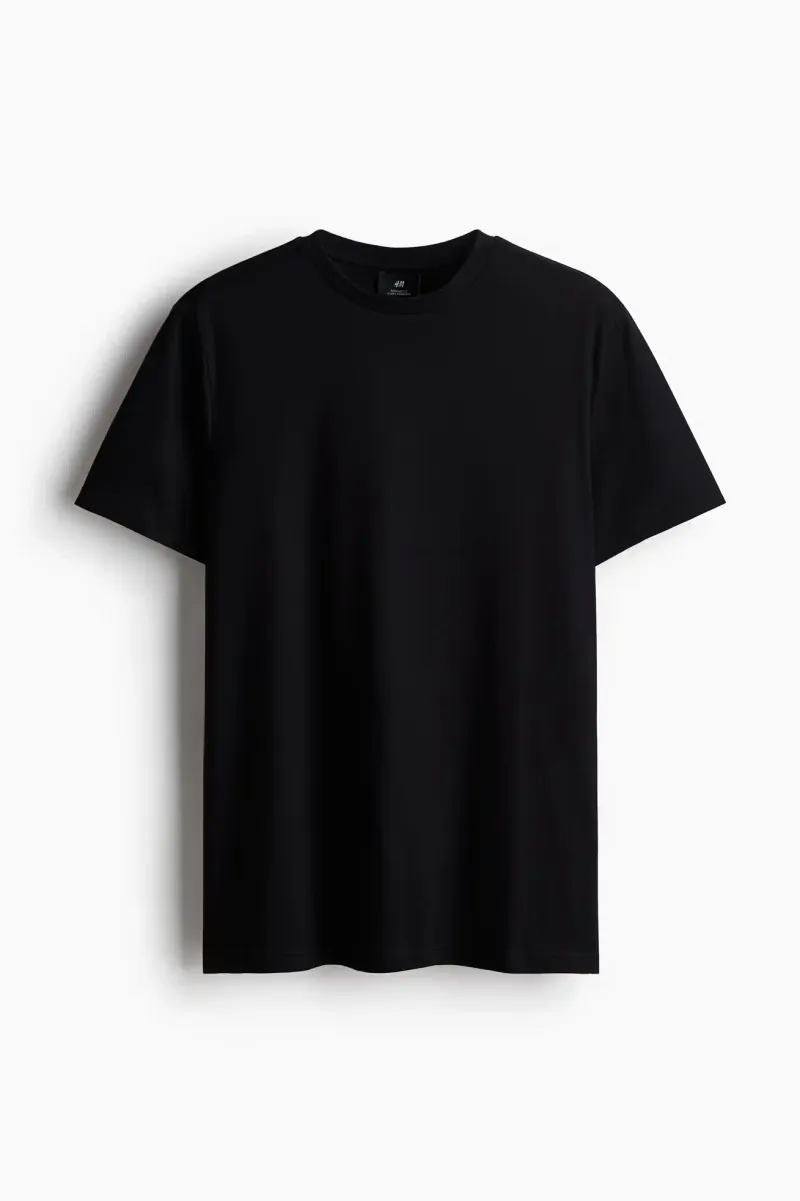
Fair for cheap, trend-driven basics. At around $10 nobody expects them to last, and reviewers buy them knowing the value is in the price and the variety, not durability.
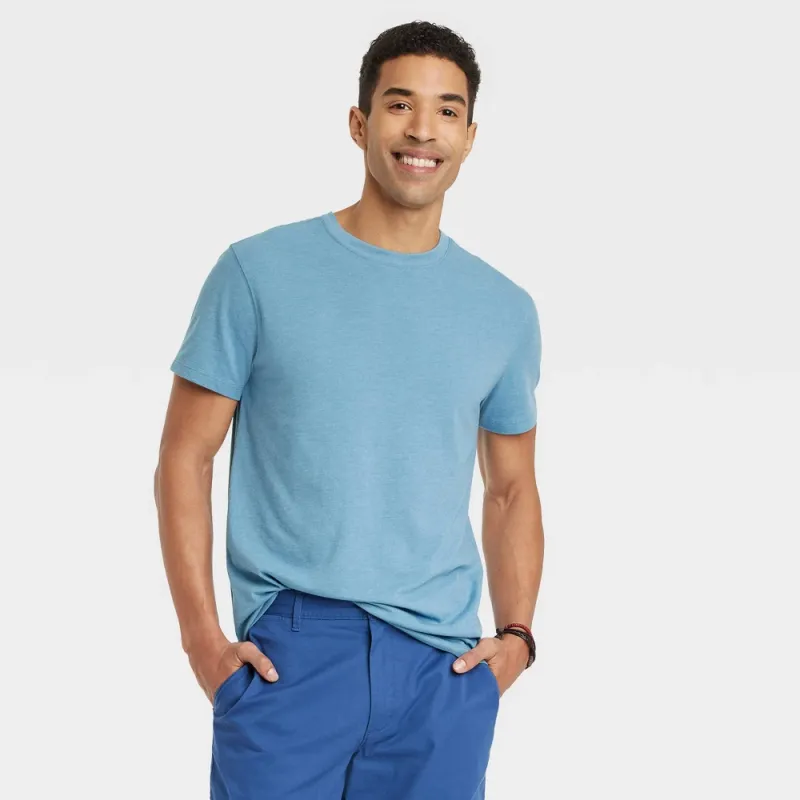
Fair value for a soft, store-brand basic. At around $10 the comfort and fit are reasonable, with longevity the expected trade-off at the price.
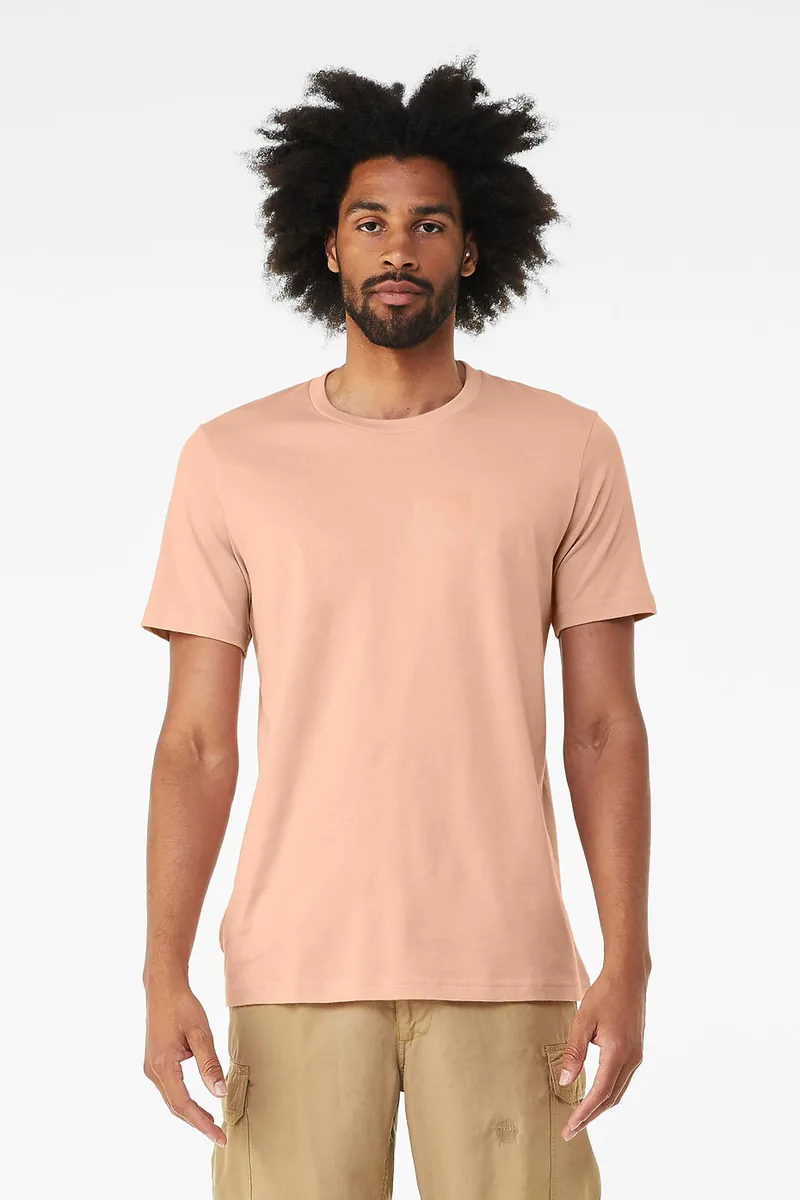
Strong value as a premium blank. At around $11 you get combed Airlume cotton and a flattering cut that punches above basic multipack blanks.
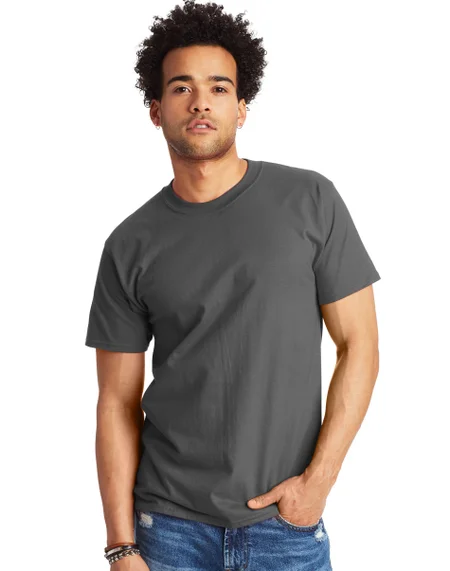
Strong value. Genuine 6oz cotton for around $12 undercuts tees costing three times more, and reviewers consistently rate the Beefy-T as the budget heavyweight to beat.
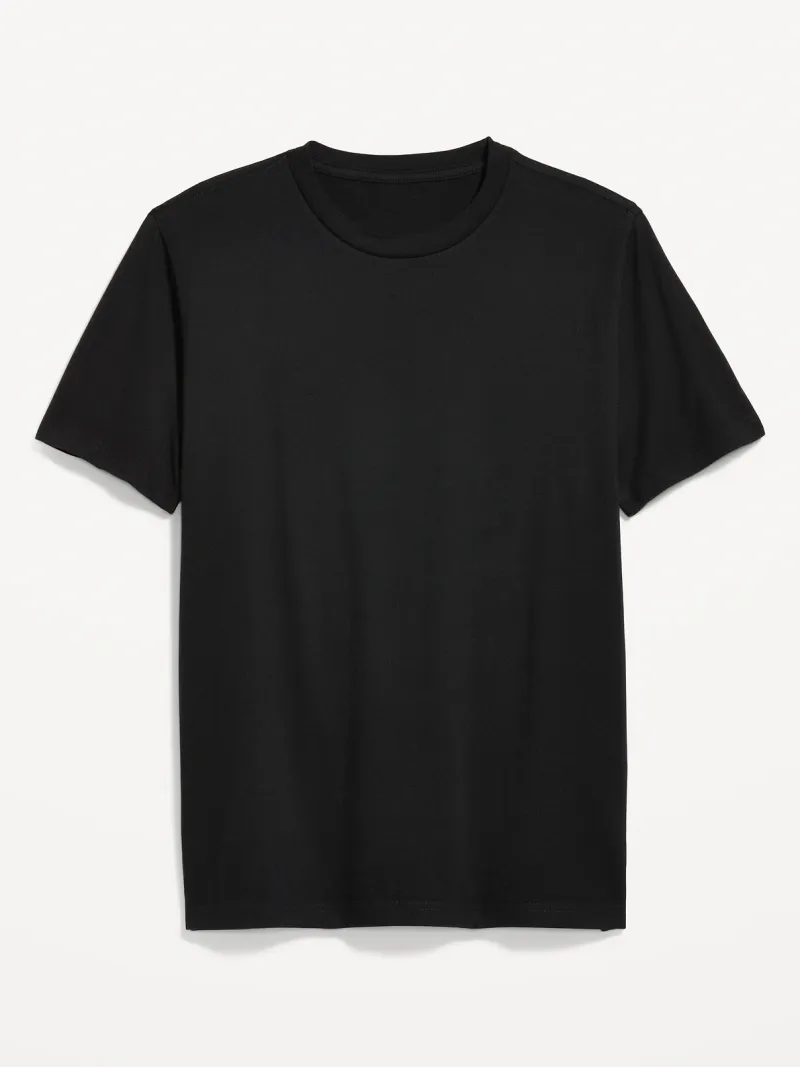
Fair for a soft, sale-priced rotation tee. Nobody expects these to last and reviewers don't get it — but at $12 (and often less on sale) the comfort-per-dollar is reasonable.
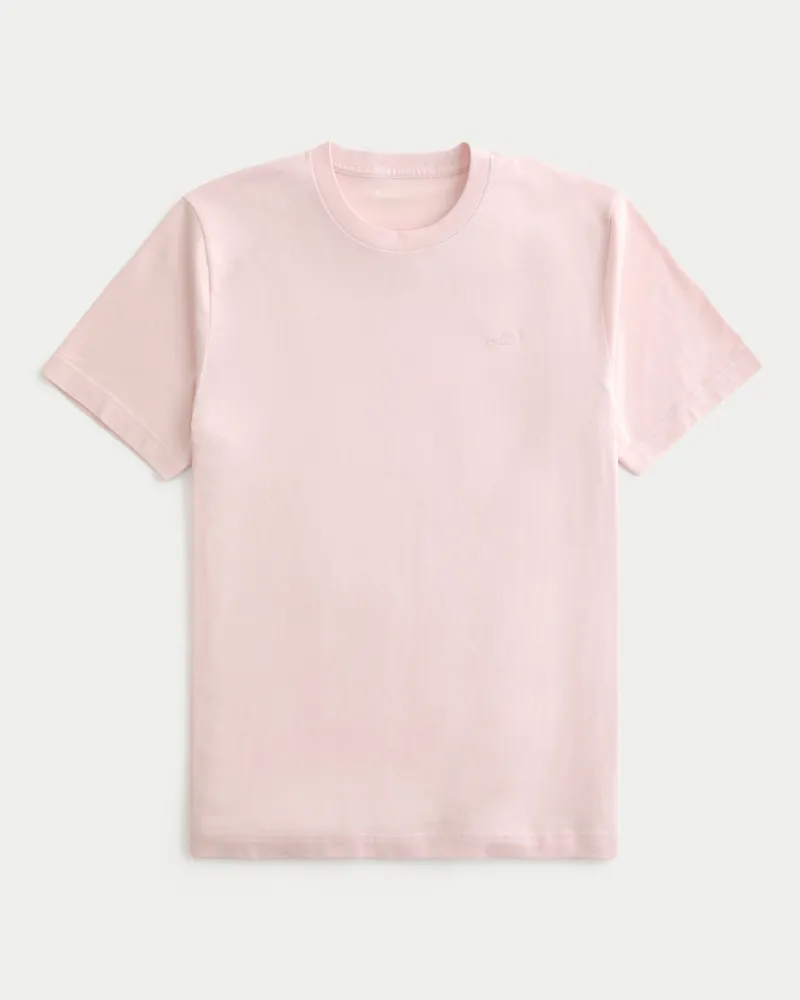
At about $13 list and routinely $10 on sale, this is genuinely cheap for a branded cotton tee, and the constant multi-pack deals push the per-shirt cost lower still. There is little brand tax at this price; the heavyweight and graphic te…
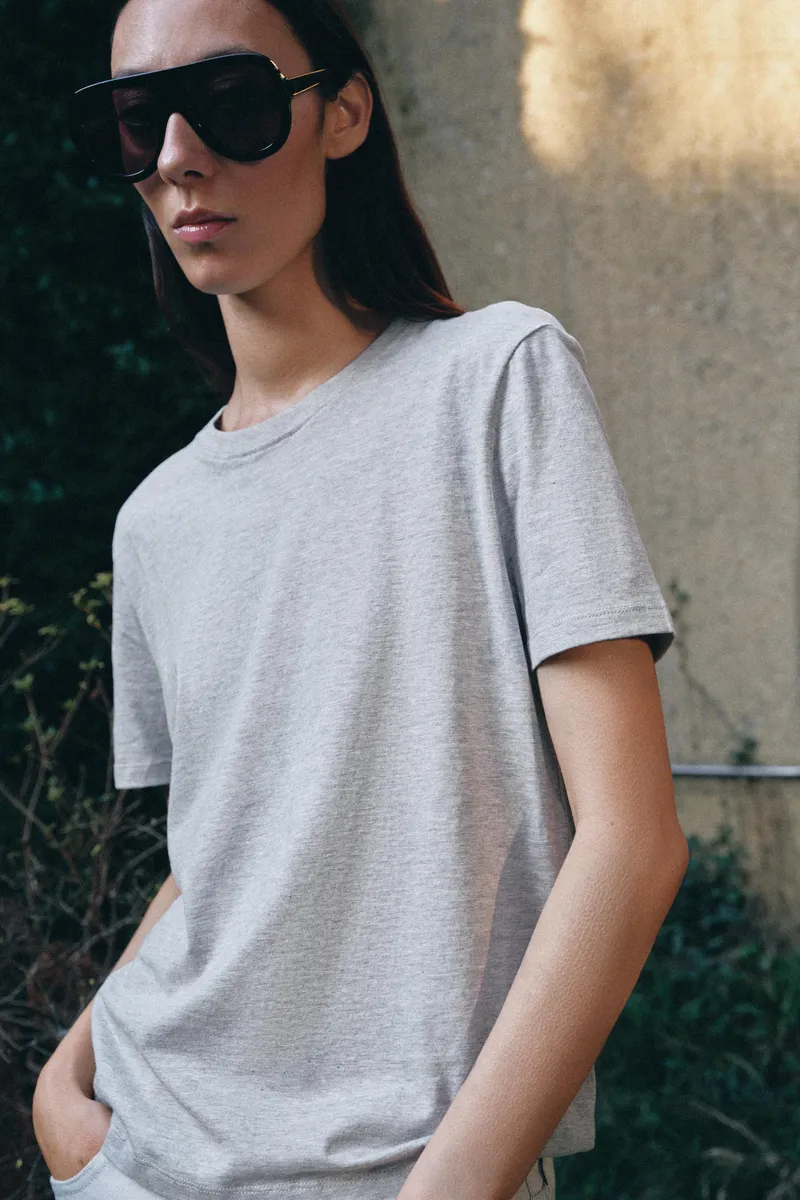
Fair for a trend-led tee, with the caveat that quality is a lottery. Around $16 buys the look; reviewers warn the fabric and sizing are inconsistent piece to piece.
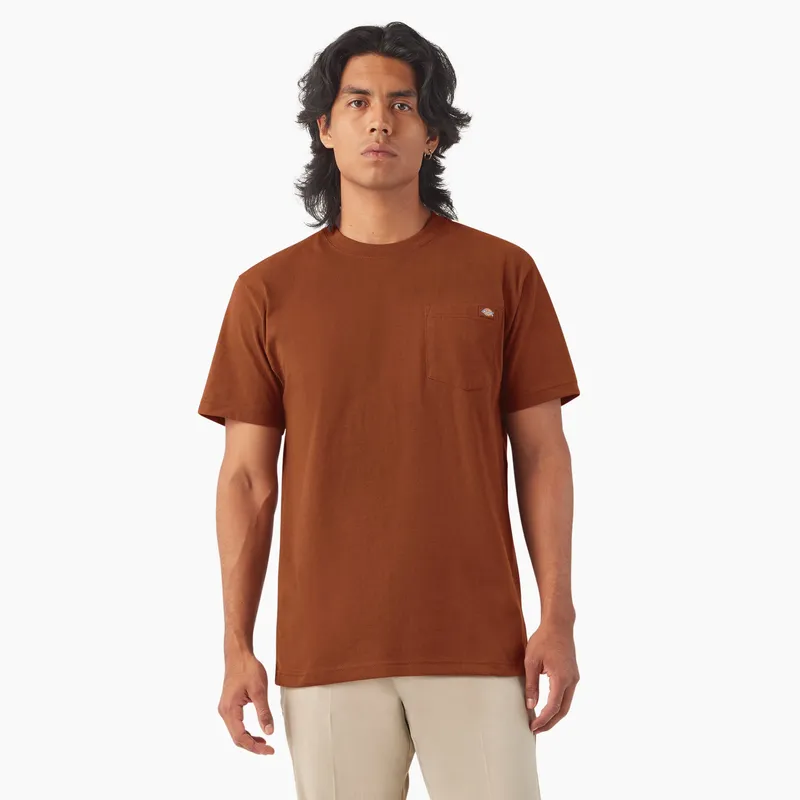
At $17 list — and frequently on sale below that — this is priced as a work consumable, not a fashion item. Reviewers treat it as strong value for a shirt this thick; you are paying for fabric, not branding.
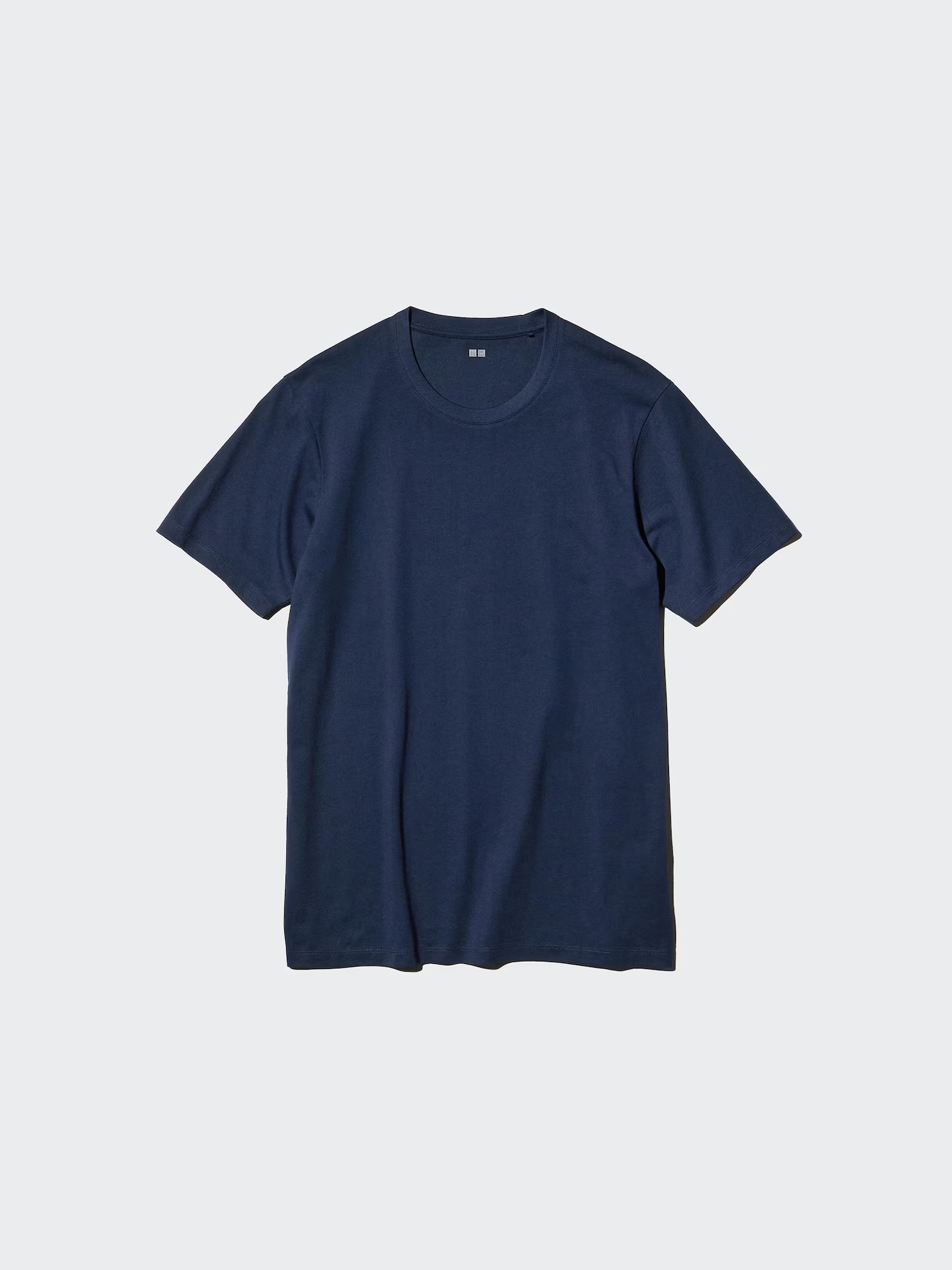
Excellent value. Genuine Supima cotton and a clean fit for $20 is hard to beat — reviewers routinely call it the best tee under $25 and restock in bulk.
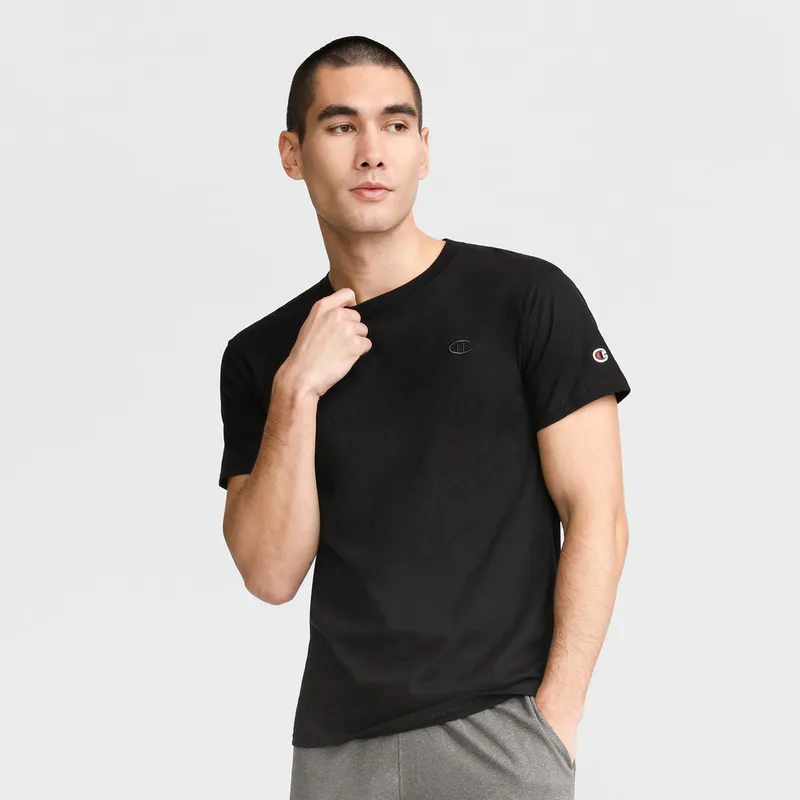
At around twenty dollars these are strong value, with dependable cotton and a name that holds resale appeal.
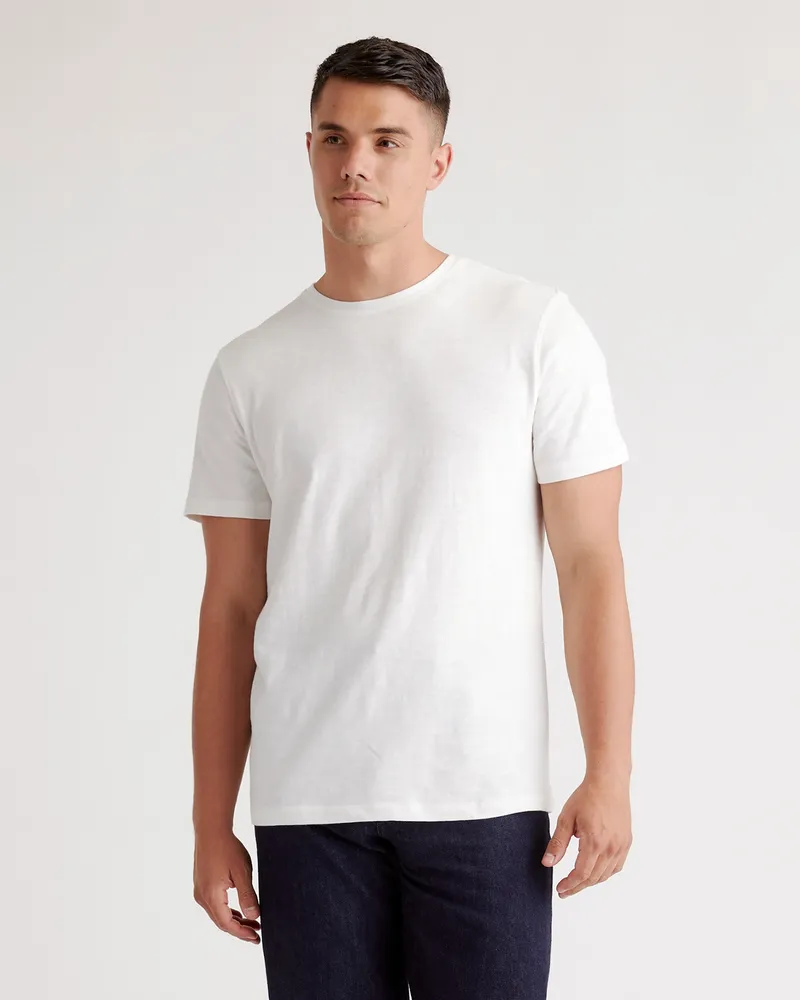
Around twenty dollars for organic or supima cotton is genuinely strong value given the fabric quality.
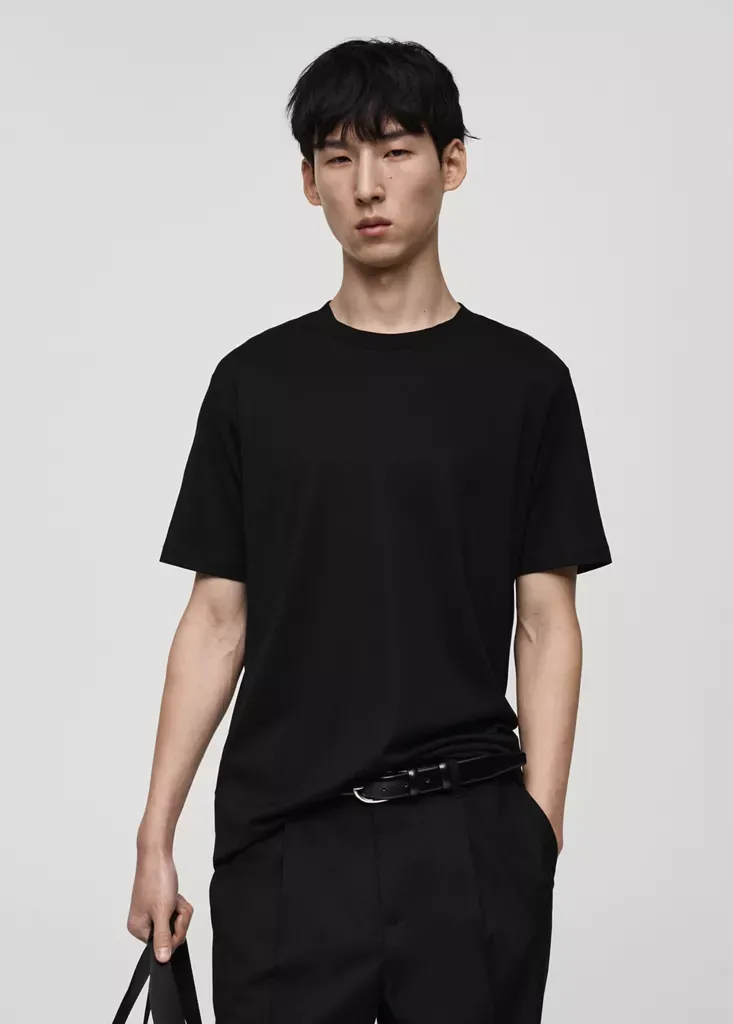
Around twenty dollars for a clean, on-trend cotton tee is good value within the fast-fashion segment.
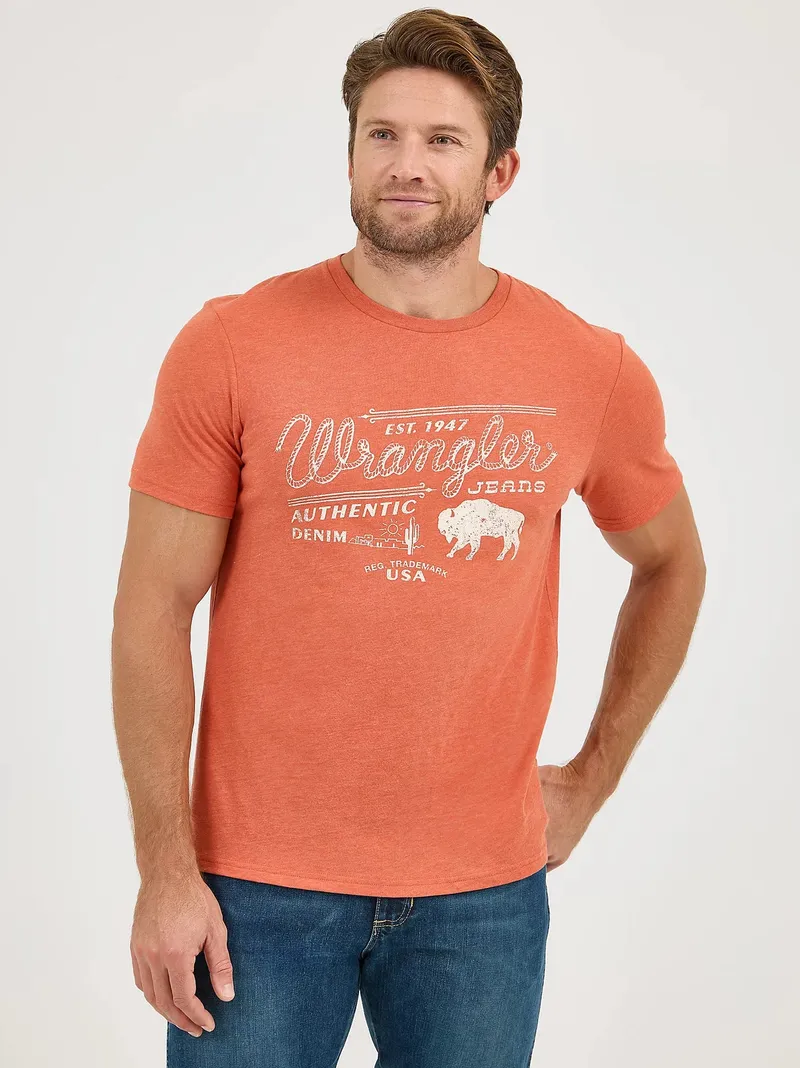
In the low twenties these are honest value for sturdy cotton built to take abuse.
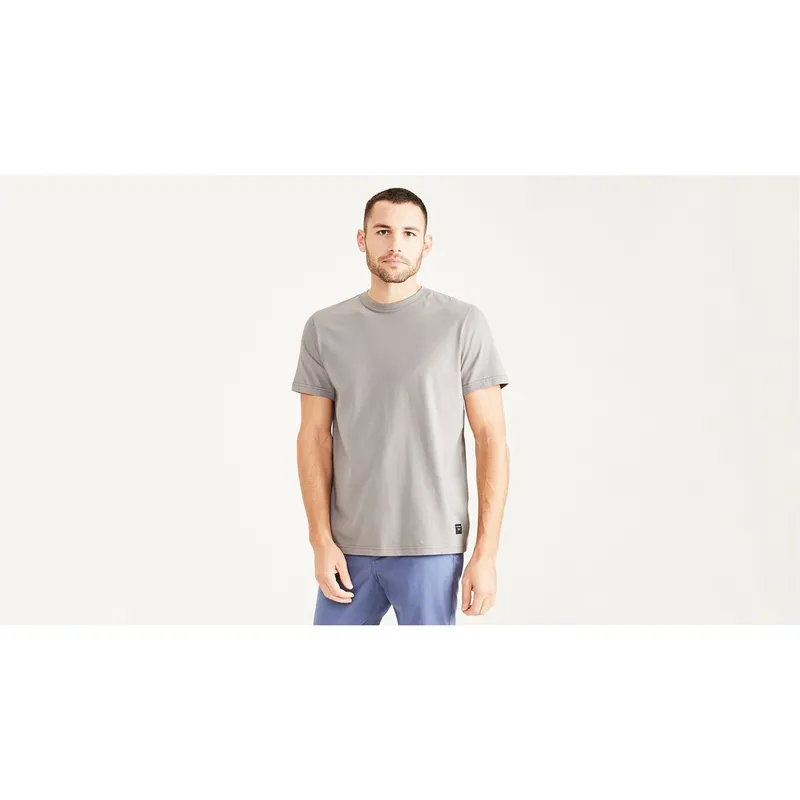
In the low twenties these are reasonable value for dependable cotton from a familiar name.
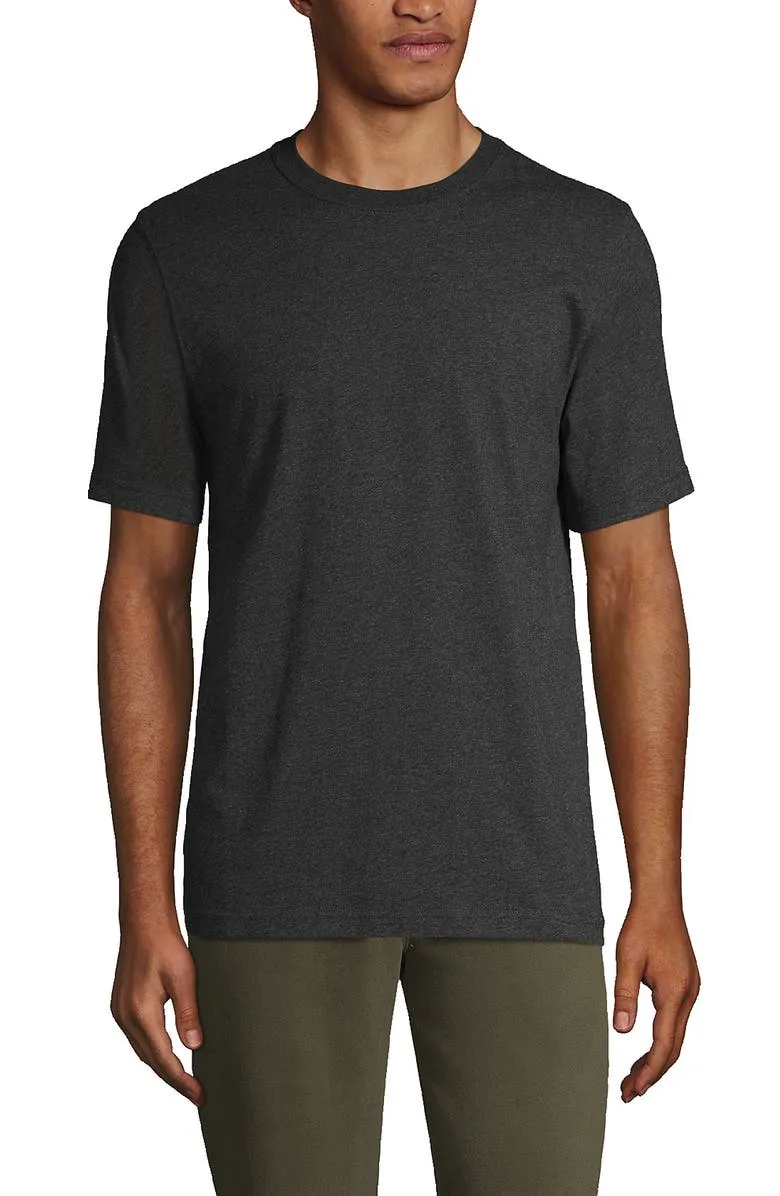
Around twenty-four dollars for a heavier, well-built cotton tee backed by a guarantee is solid value.
Mid
· $25 – $55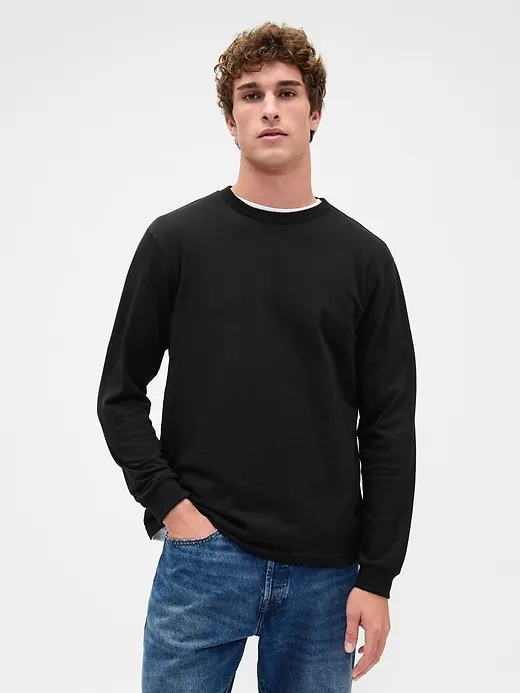
Reasonable, and a clear value on Gap's regular sales. At $25 you get reliable mid-weight cotton and consistent fit; reviewers rarely pay full price but rate it well discounted.
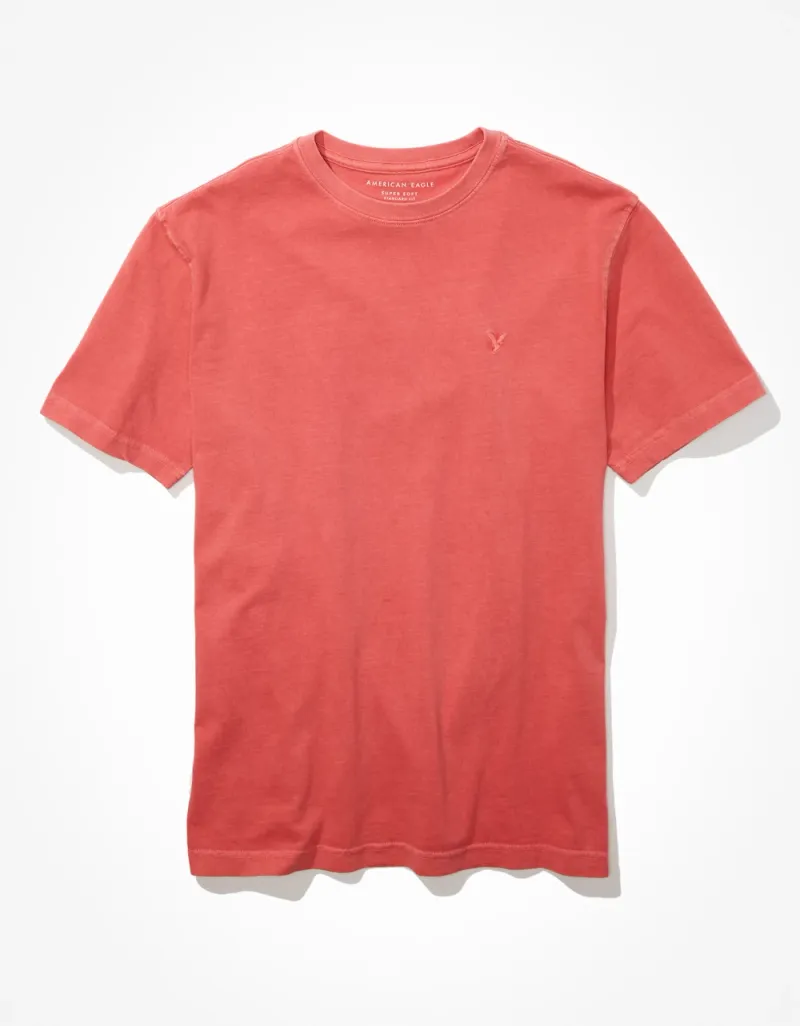
Fair, and a value on American Eagle's frequent sales. At $25 the softness is the selling point; reviewers rarely pay full price and treat them as soft rotation tees.
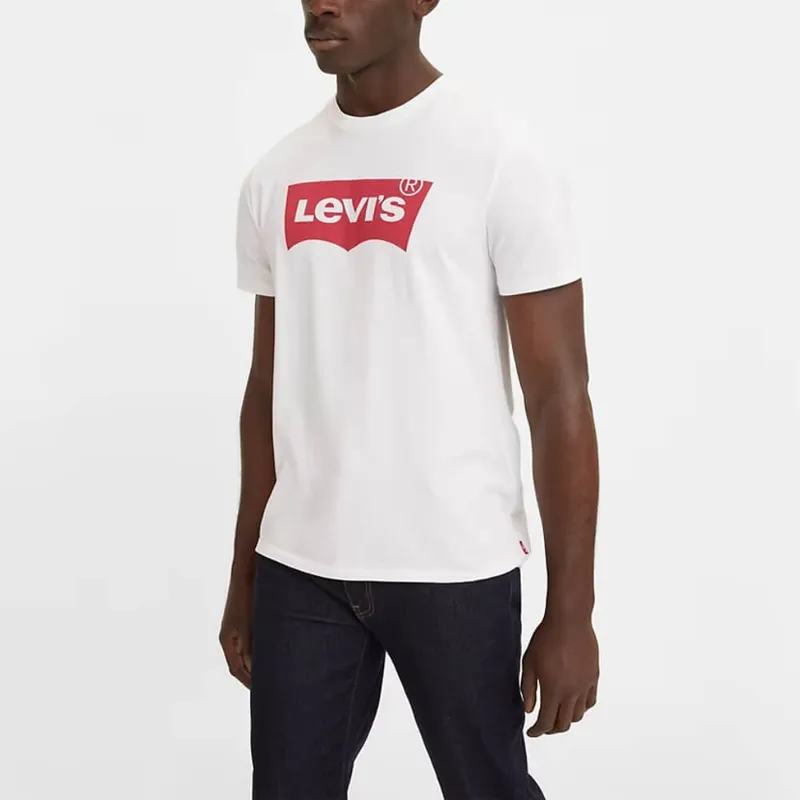
Around twenty-five dollars for a recognizable name and dependable cotton is fair value. Sales frequently push the basics below twenty.
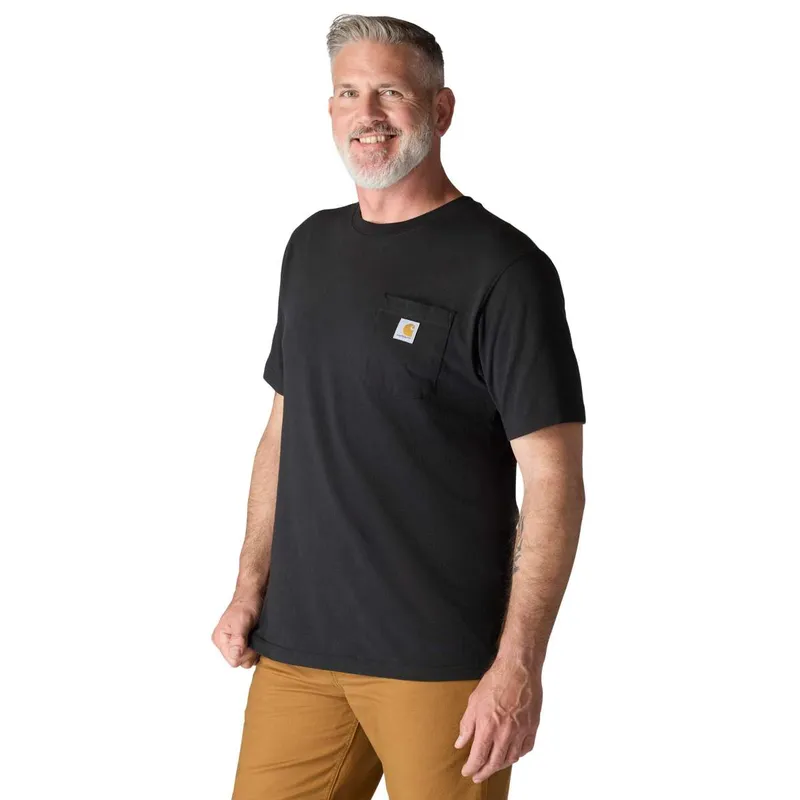
Around twenty-five dollars for genuinely heavyweight, jobsite-grade cotton is excellent value.
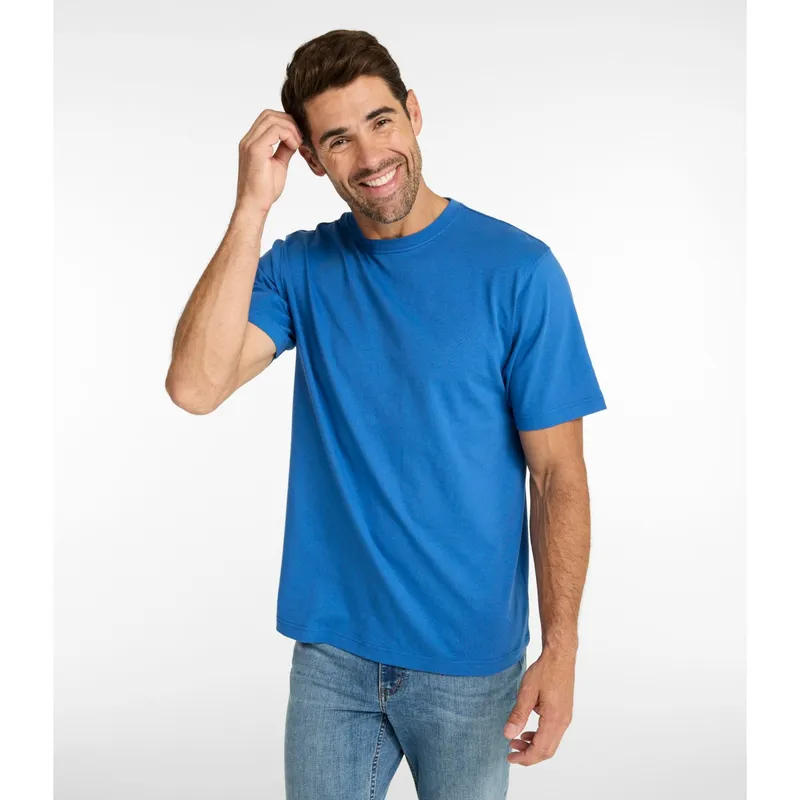
Around twenty-five dollars for shrink-resistant cotton backed by a strong satisfaction guarantee is solid value.
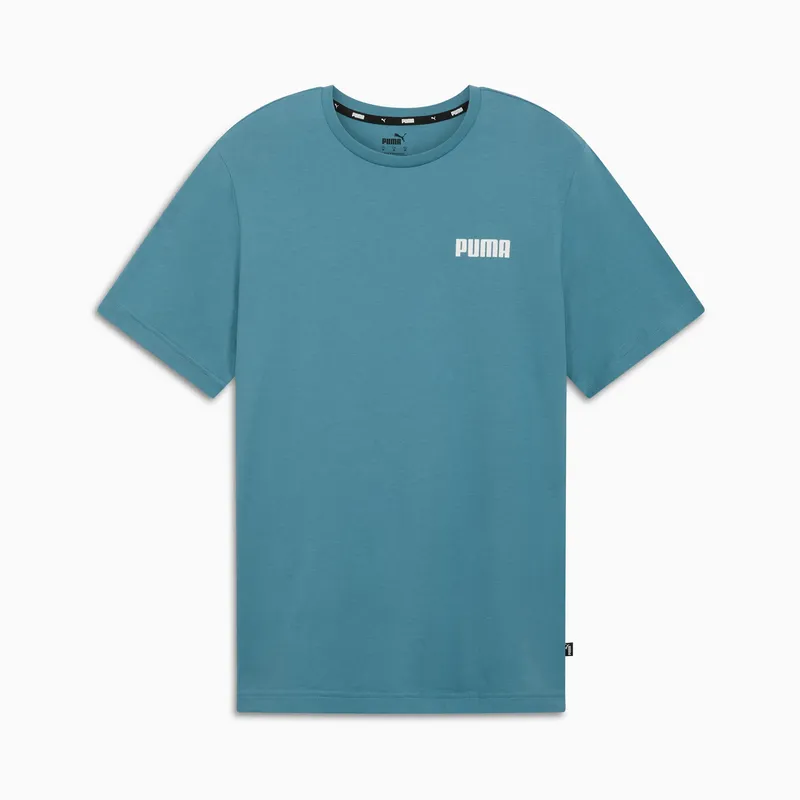
Around twenty-five dollars buys soft cotton and familiar branding, which lands as good value with frequent sales.
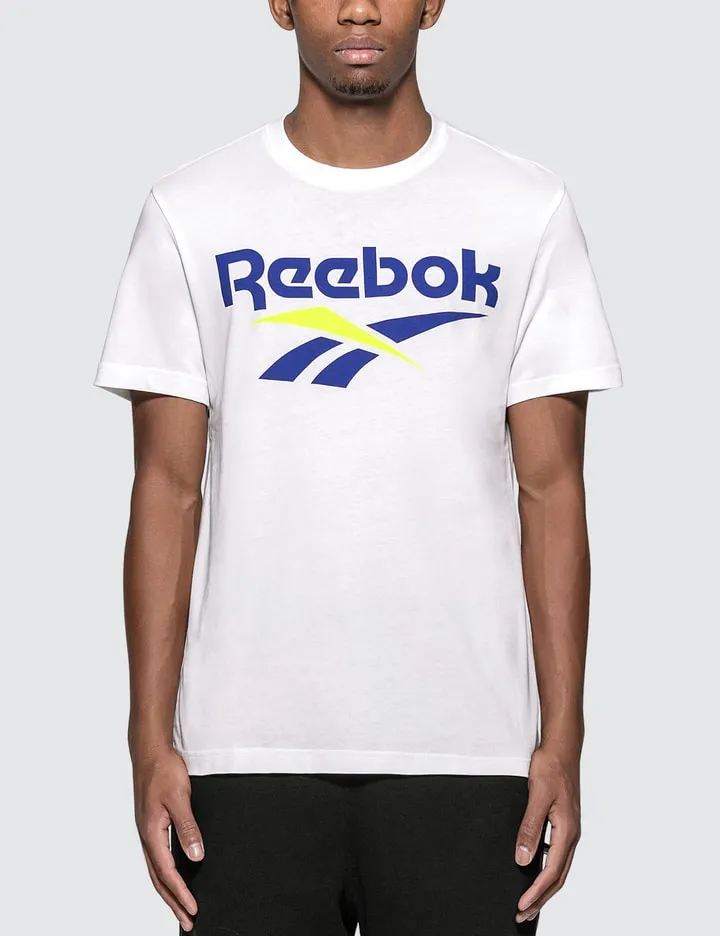
Around twenty-five dollars buys soft cotton and recognizable branding, which is good value, especially on sale.
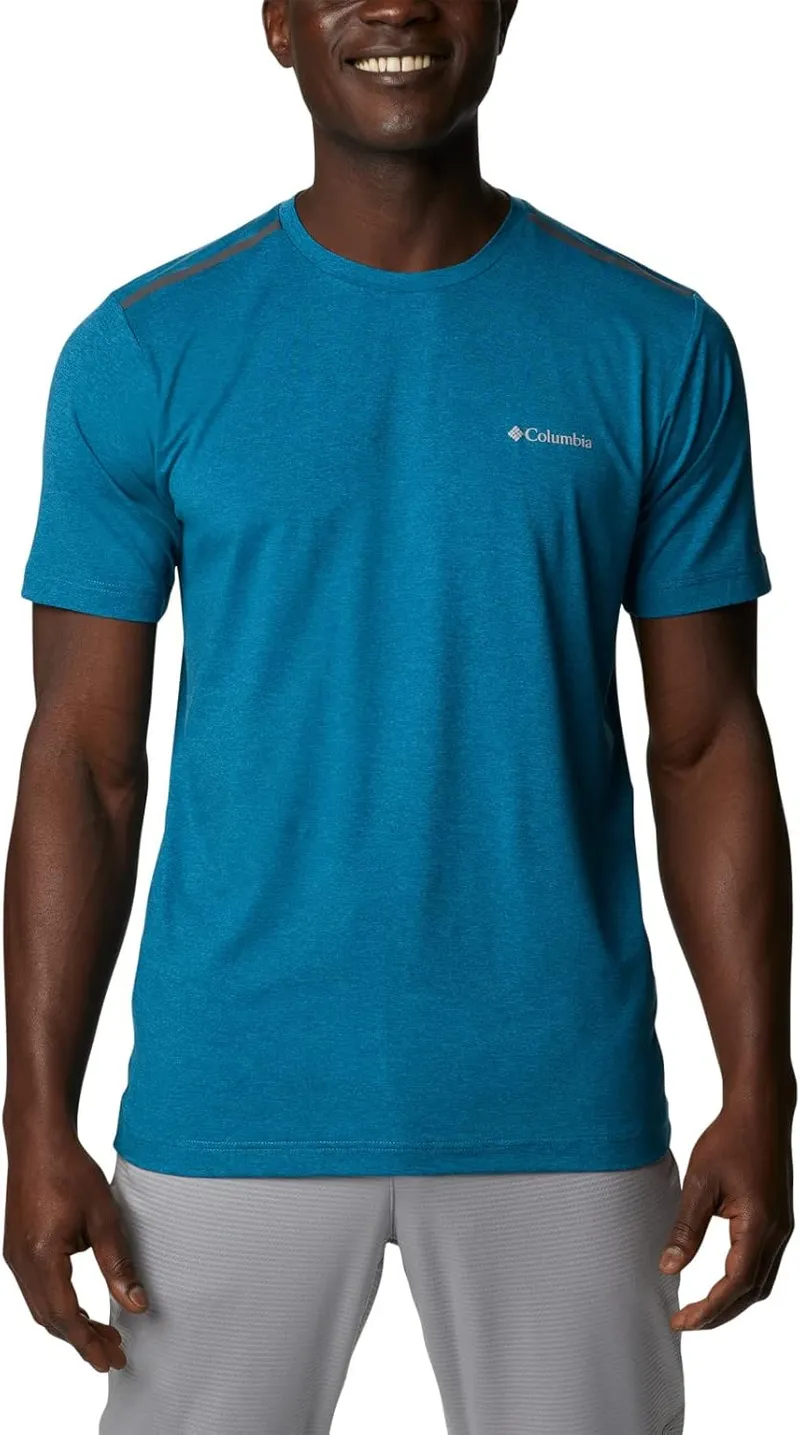
Around twenty-five dollars buys dependable cotton or capable performance fabric, which is good value for the outdoor positioning.
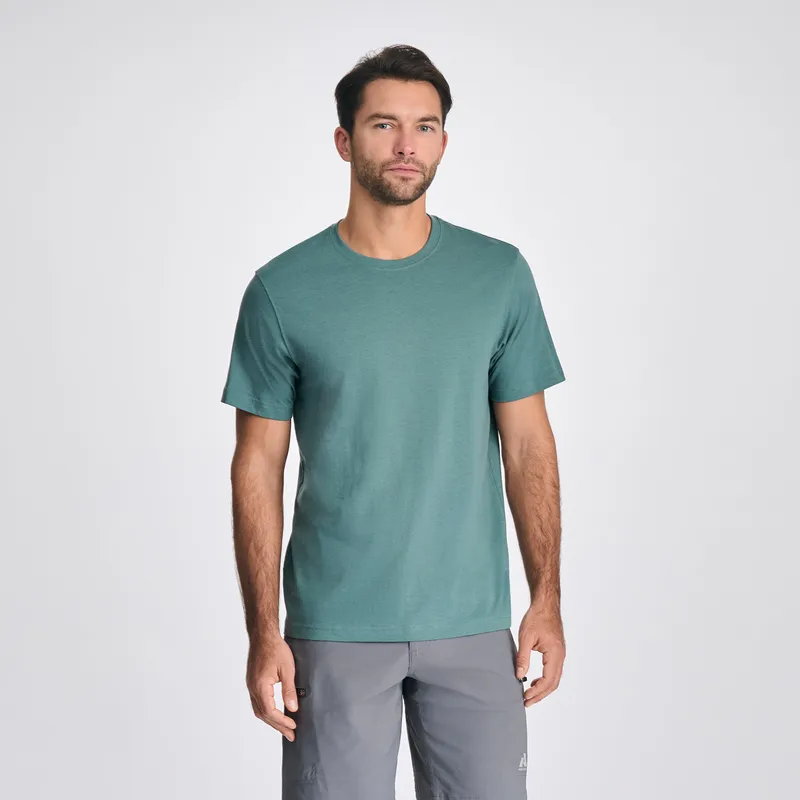
At $28 it sits above big-box basics but below premium tee territory, and reviewers who like it consider it fair for the heavier washed cotton — especially since the brand's frequent promotions often bring it lower. The reported batch-to-…
Reasonable but not a steal at $30. The fabric and fit are a step above budget tees, and the organic sourcing matters to some — but reviewers note you're paying partly for the brand's positioning, not just the cotton.
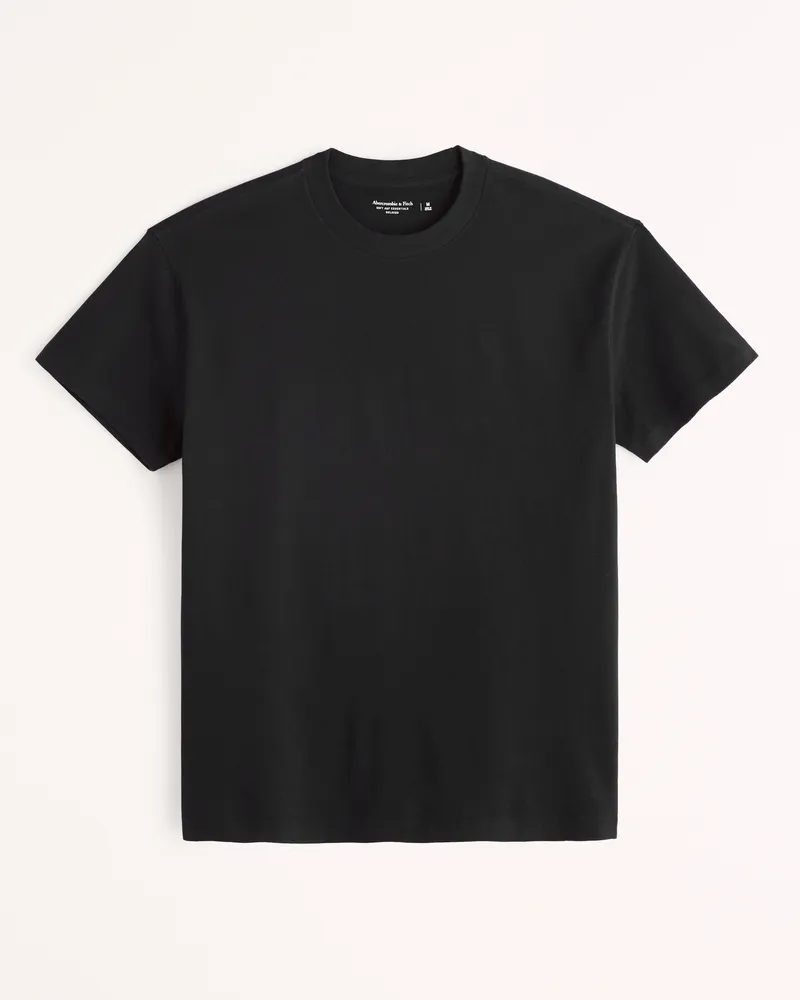
Reasonable for a fit-led basic, and a value on sale. At $30 the flattering cut is the draw; reviewers consistently rate the fit above the price, especially discounted.
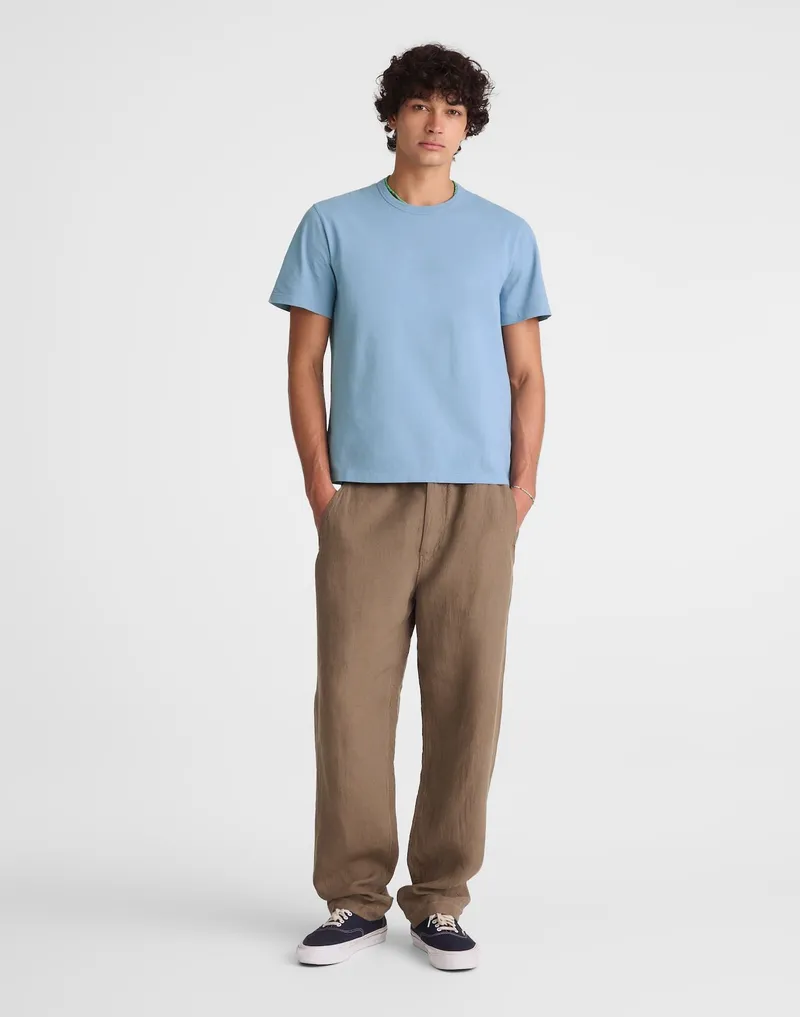
Reasonable for a soft, well-styled tee, better on Madewell's sales. At $30 you pay partly for the casual styling and brand world; the cotton hand is good but matchable for less.
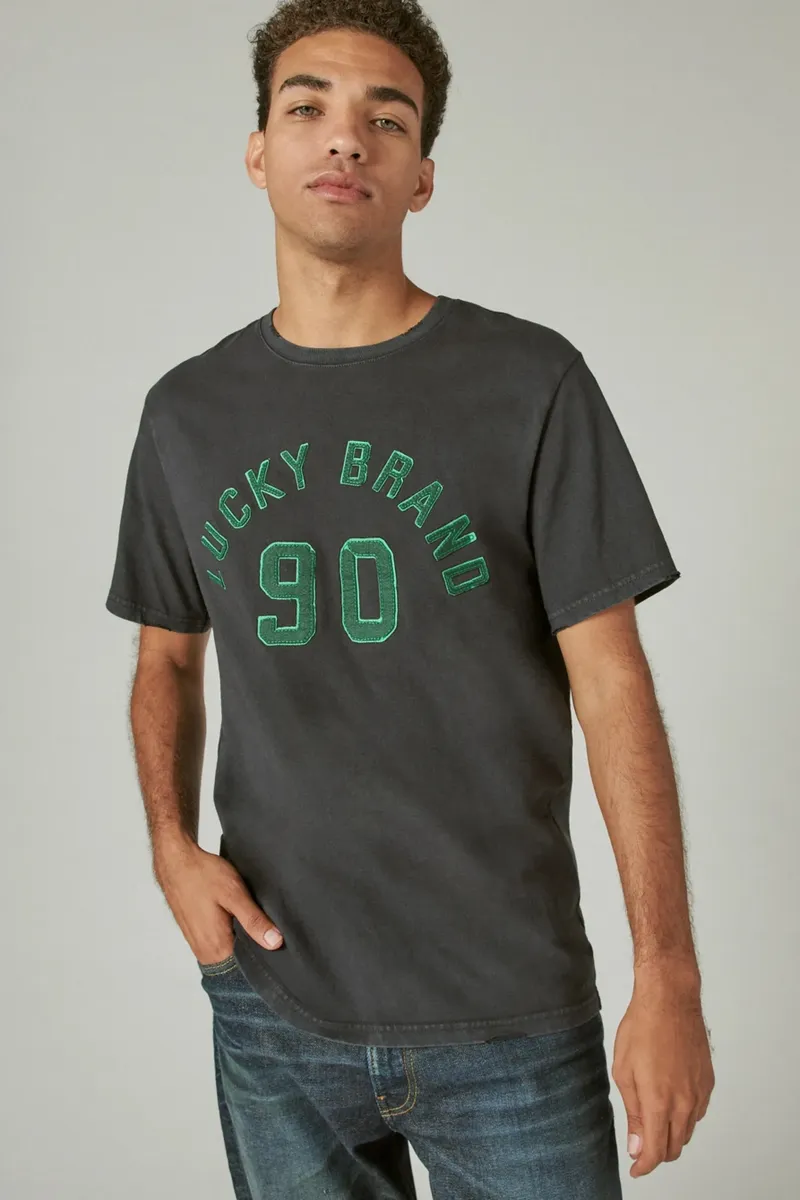
Around thirty dollars buys genuinely soft, pre-washed cotton, which lands as reasonable value for the comfort.
Around thirty dollars buys soft cotton and recognizable branding, which lands as fair for the casual line.
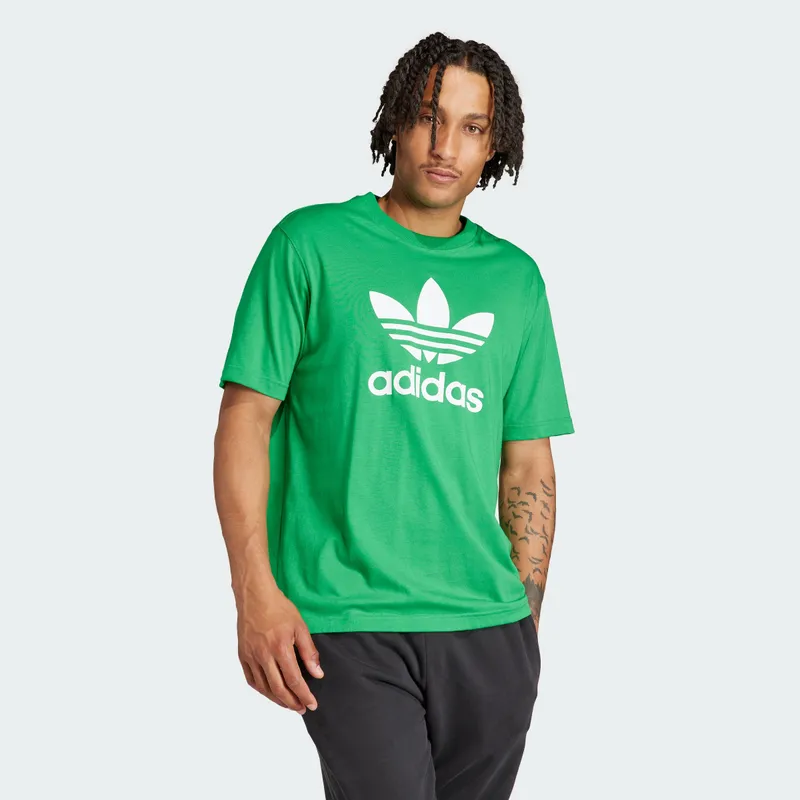
Around thirty dollars for soft cotton and iconic branding is reasonable, with frequent promotional discounts.
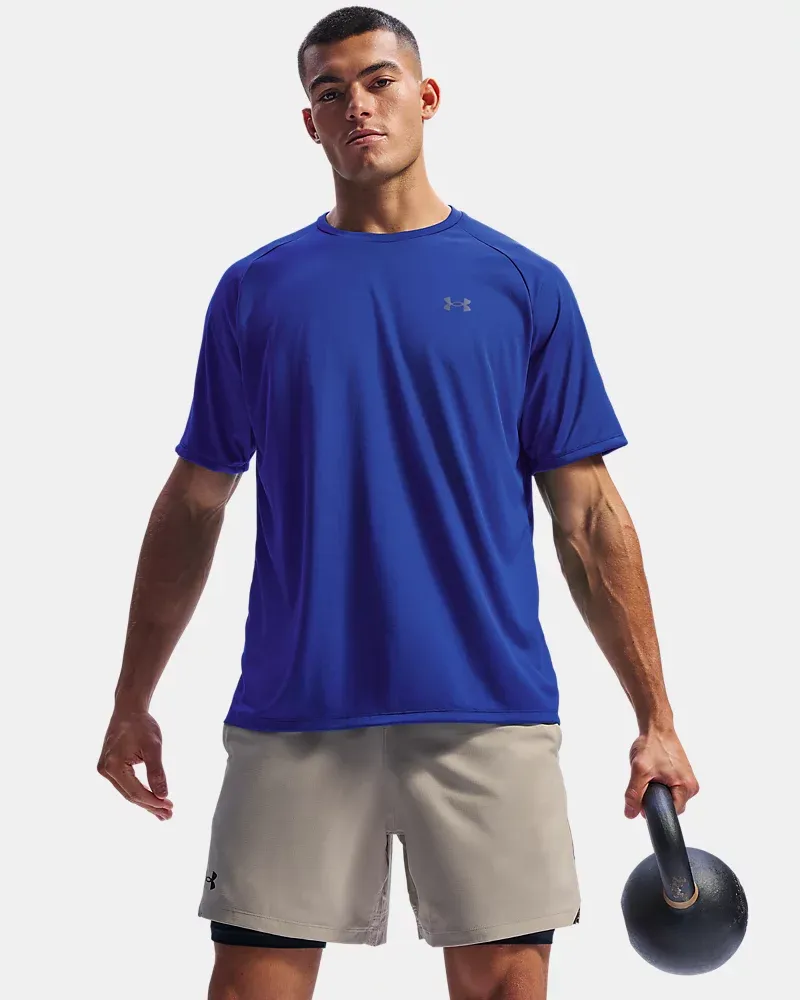
Around thirty dollars buys quick-drying performance fabric and proven athletic construction, which is fair value.
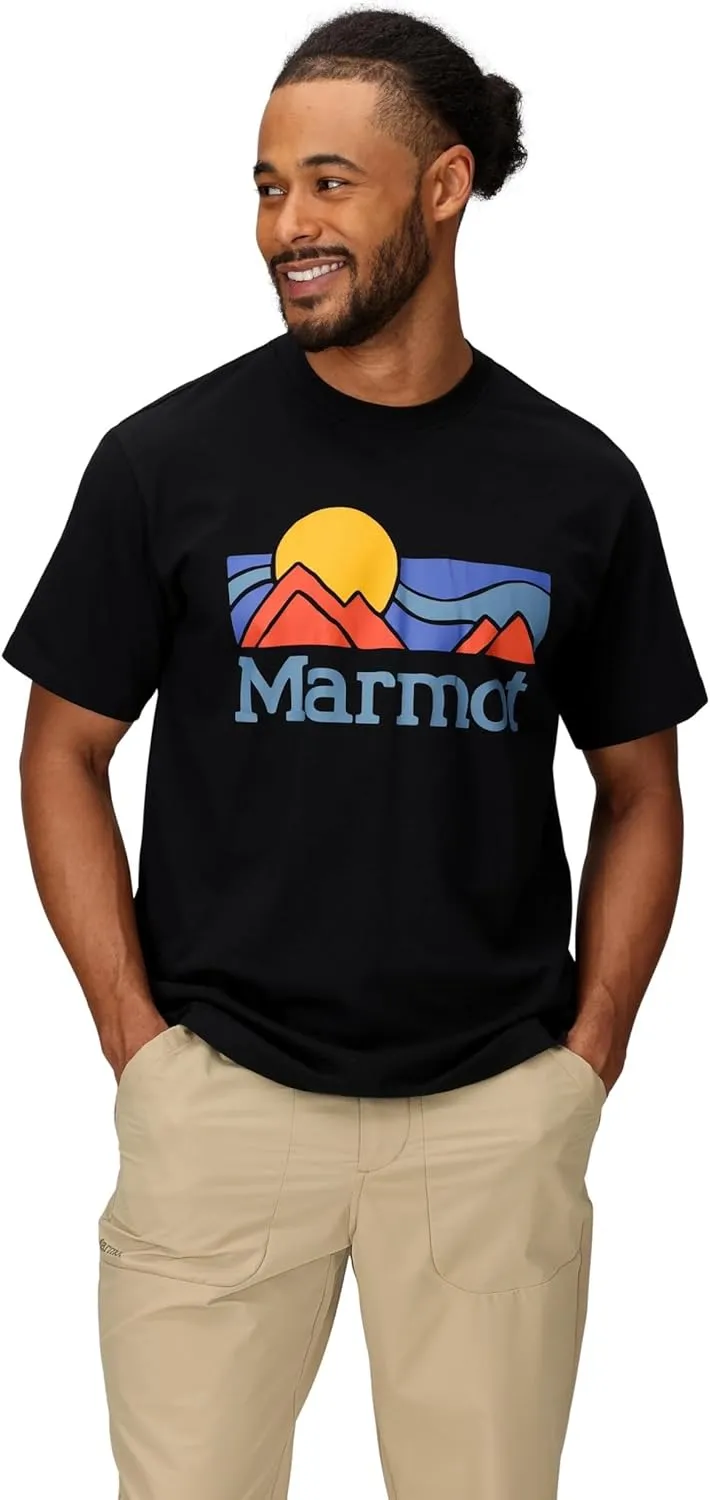
Around thirty dollars buys capable performance fabric from an established mountain brand, which is fair value.
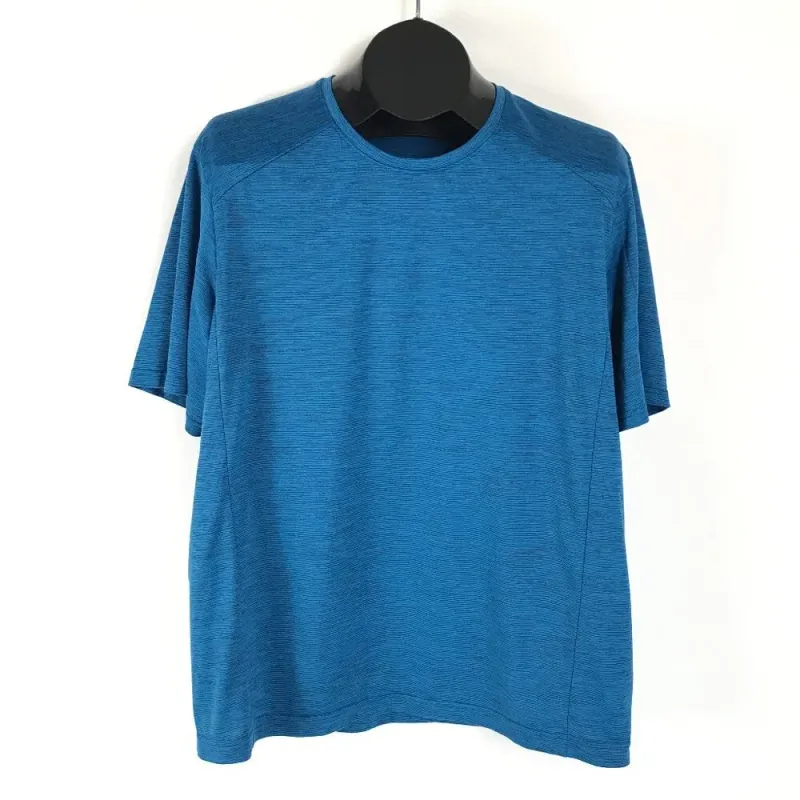
Around thirty dollars buys capable, often sustainable fabric from a trusted outdoor co-op, which is good value.
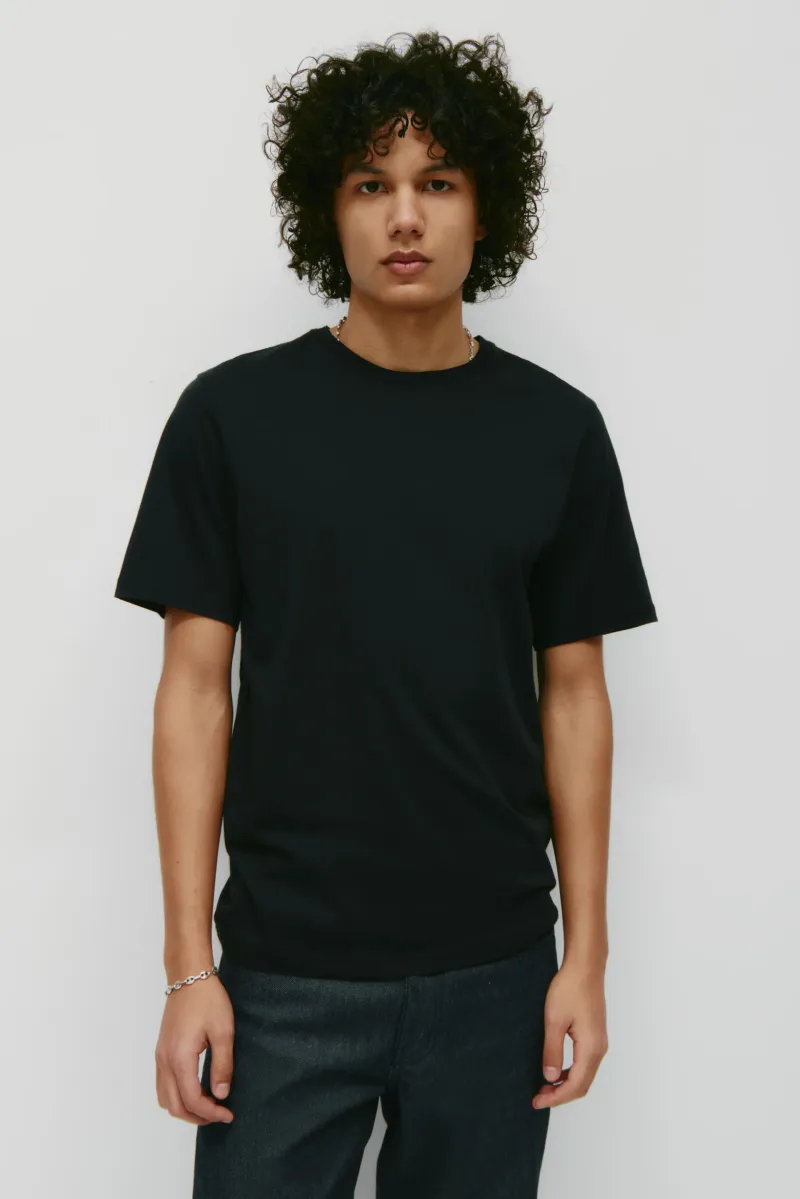
Fair at $35 if the traceable-cotton story matters to you. On fabric alone you can match it for less; the spend is partly for Kotn's direct-farm sourcing and ethics, which reviewers who value that consider worth it.
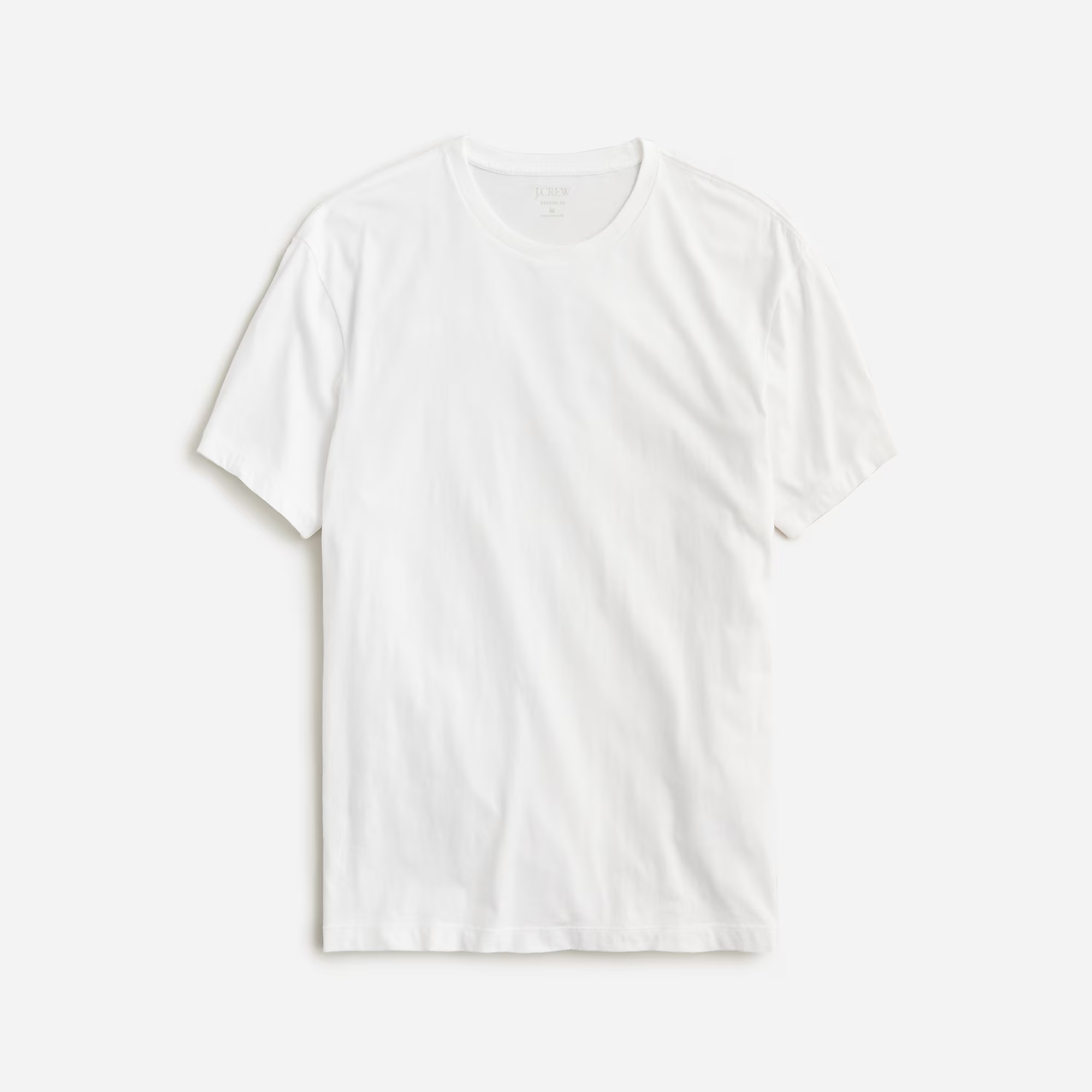
Fair on sale, steep at full price. Reviewers like the soft hand and flattering cut but rarely pay the full $35 — on one of J.Crew's regular promos the value lands.
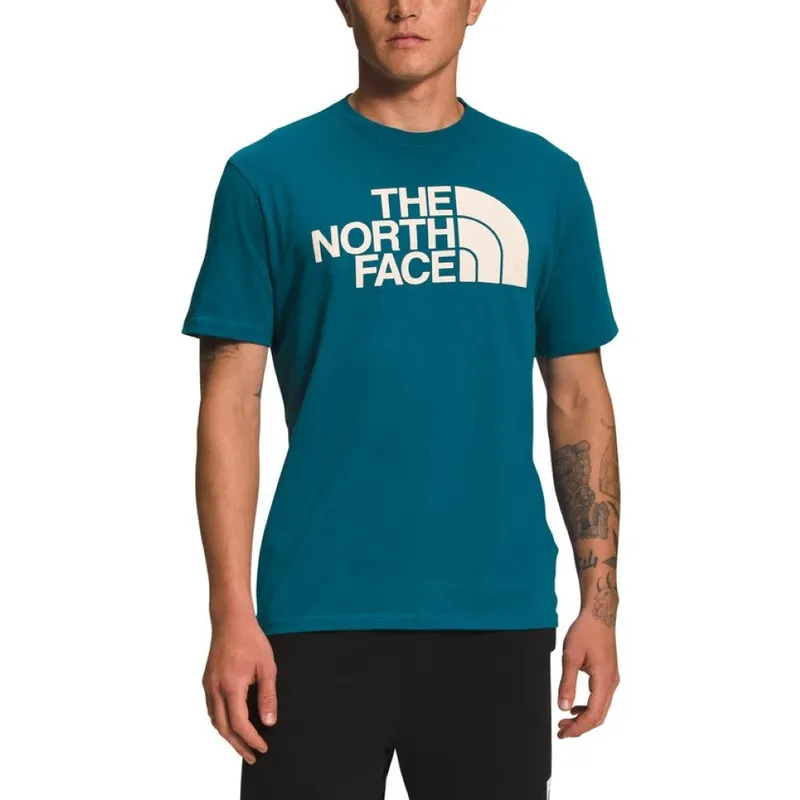
Around thirty-five dollars buys soft cotton and trail-brand recognition, which is fair for the casual line.
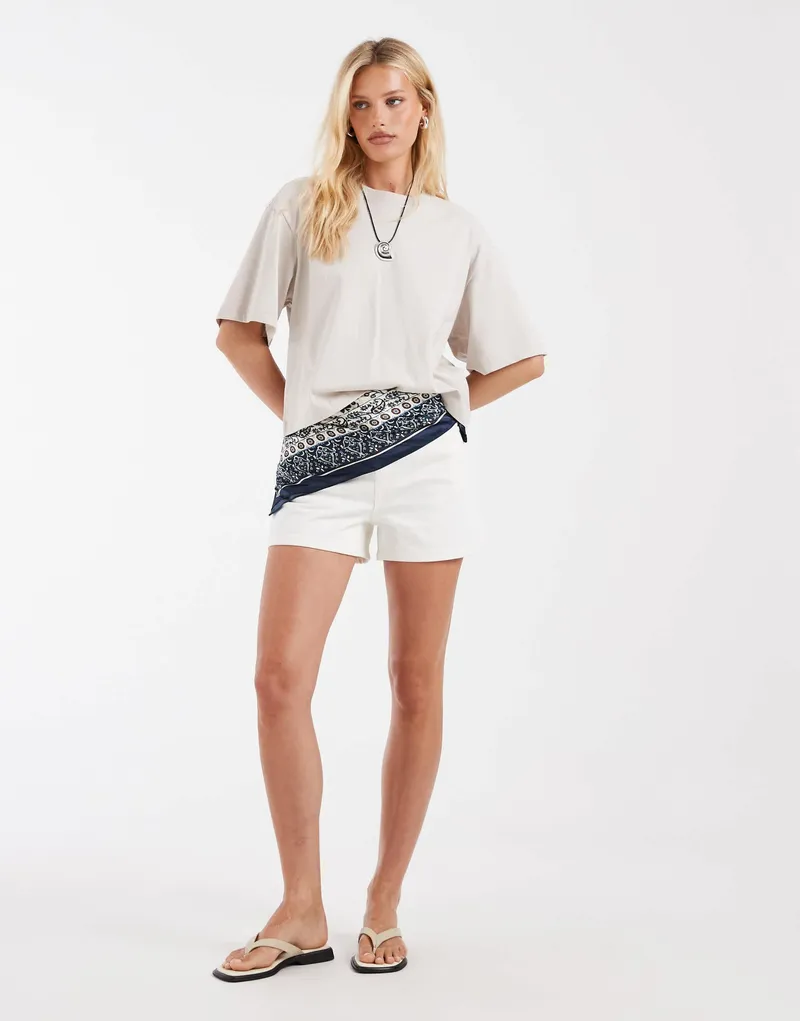
Around thirty-five dollars buys organic cotton and a refined cut, which is fair for the elevated high-street positioning.
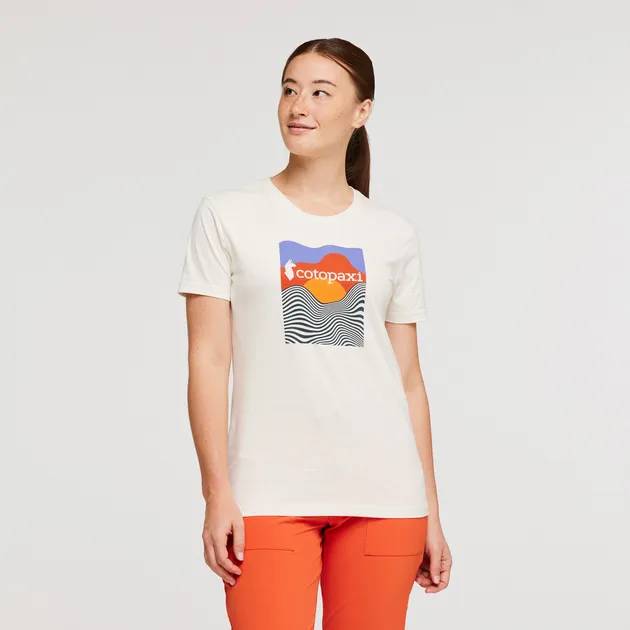
Around thirty-five dollars buys organic cotton and a brand with a strong giving mission, which is fair value.
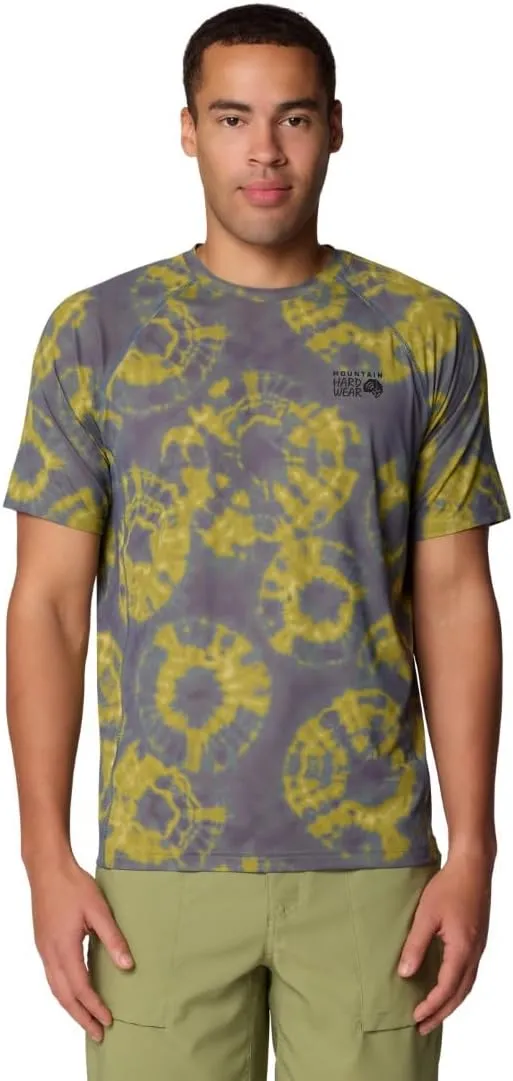
Around thirty-five dollars buys capable technical fabric from a respected alpine brand, which is fair value.
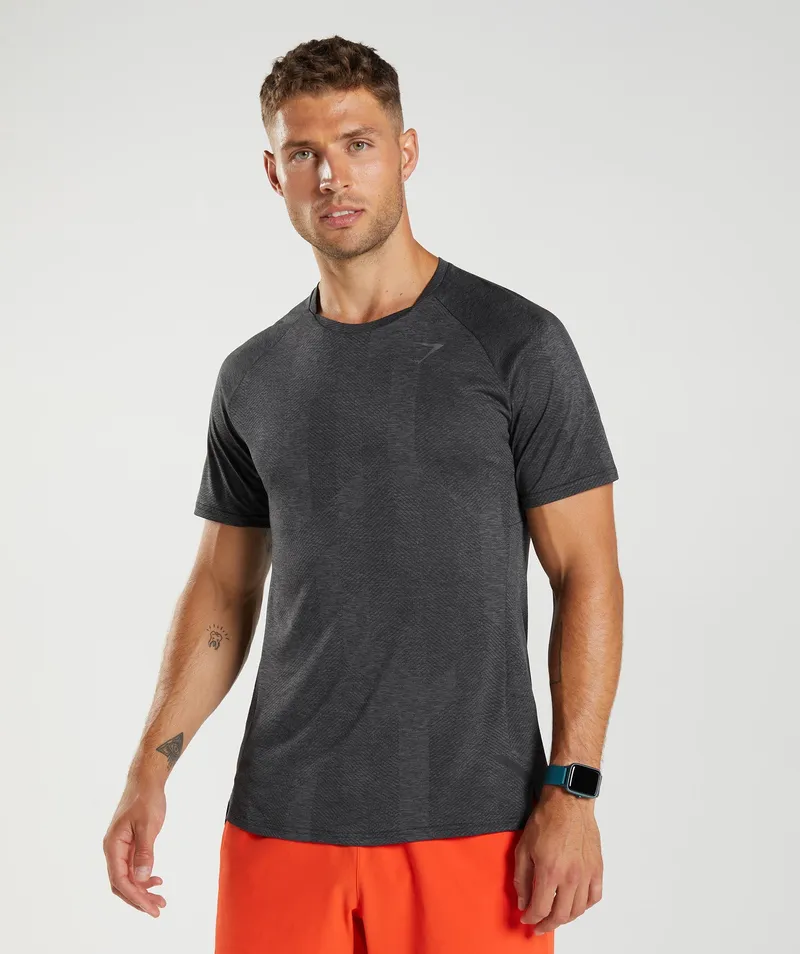
Around thirty-five dollars buys capable training fabric and a flattering athletic cut, which is fair for the fitness positioning.
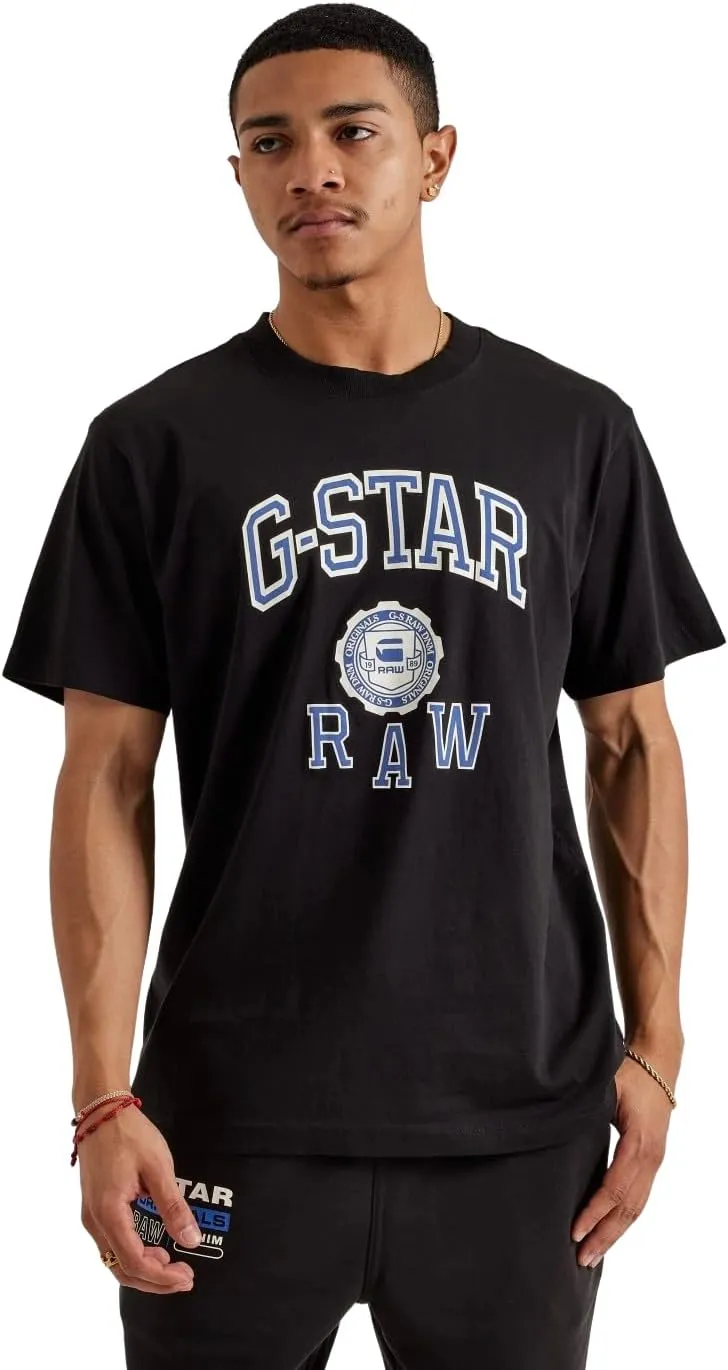
Around thirty-five dollars buys organic cotton and a distinctive design sensibility, which is fair value.
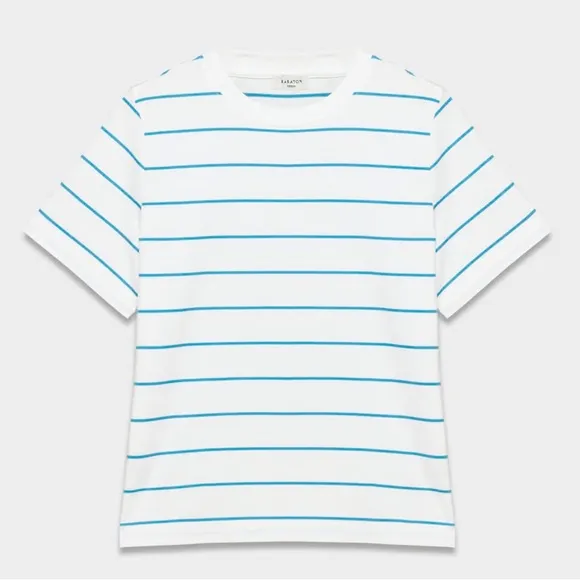
Around thirty-eight dollars buys soft fabric and a carefully considered fit, which is fair for the elevated contemporary segment.
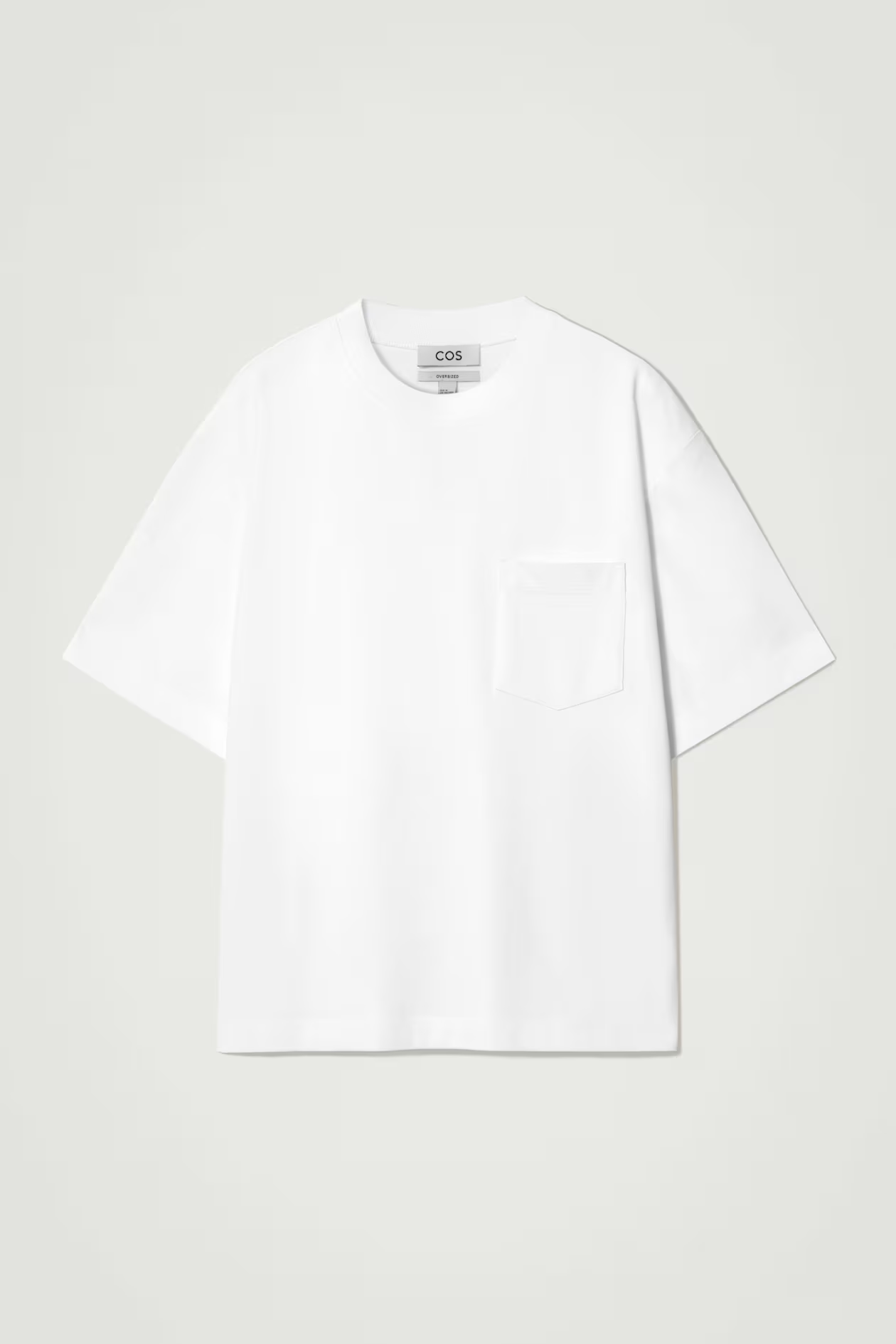
Good value at $39 for a genuinely heavyweight, design-led tee — reviewers consider it a step up from high-street basics, with the caveat that fit consistency varies batch to batch.
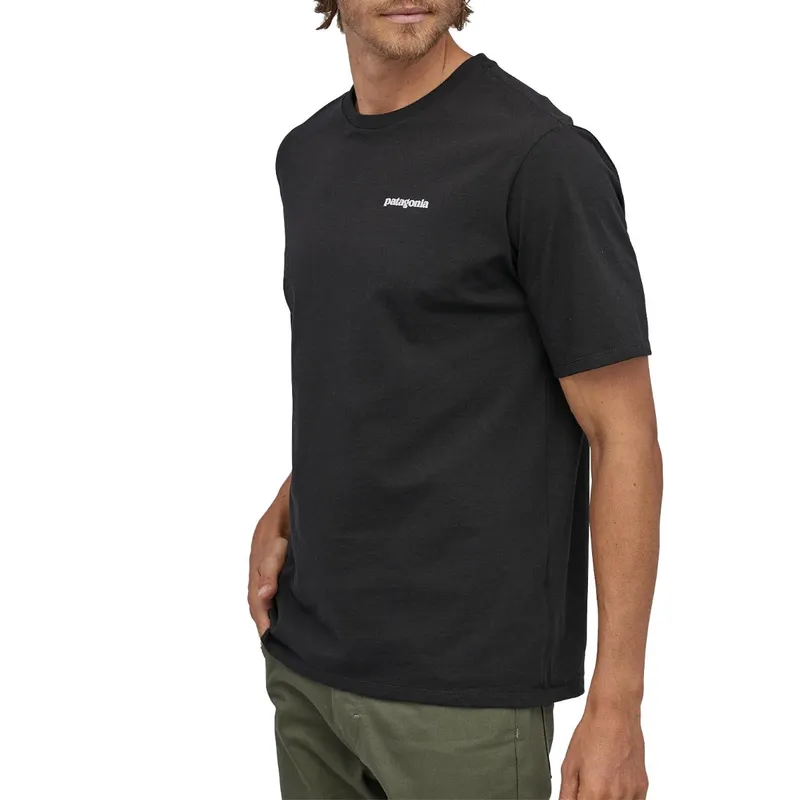
Around forty dollars buys recycled fabric, durable construction, and the brand's repair program, which justifies the price.
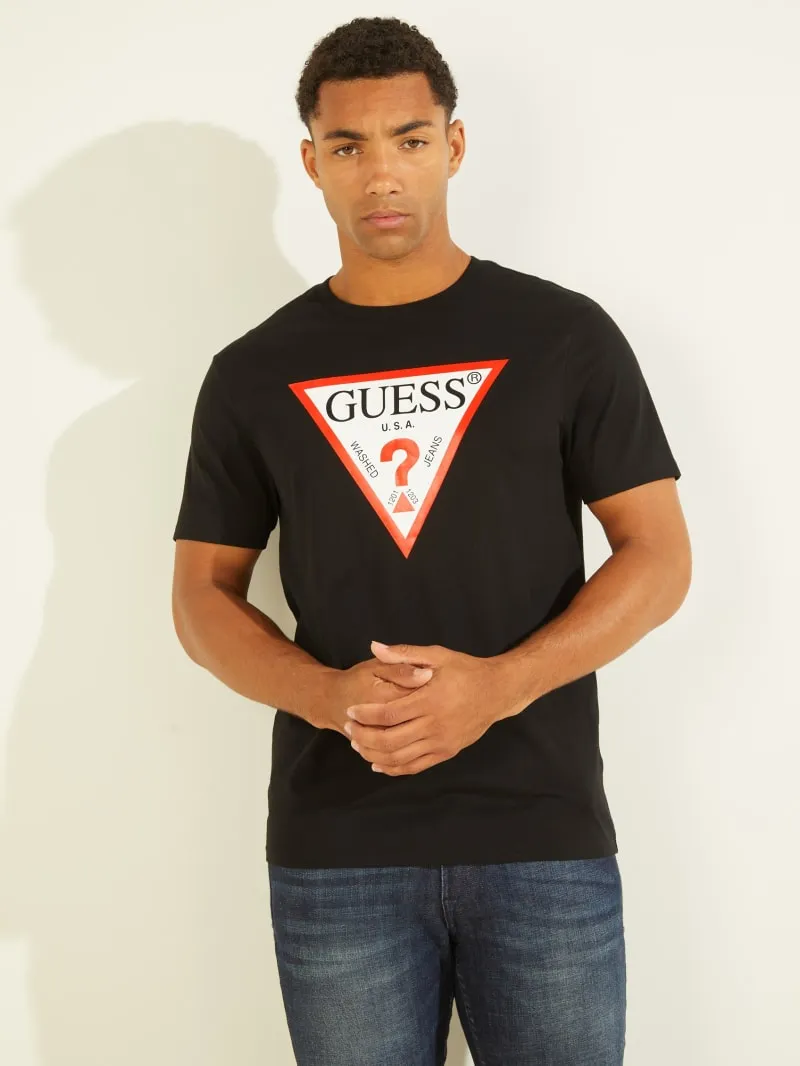
At $39 list, much of the price is the logo — a plain cotton tee of similar construction costs far less elsewhere. The brand discounts tees 30 to 50 percent almost continuously on its own site, so paying full list is rarely necessary.
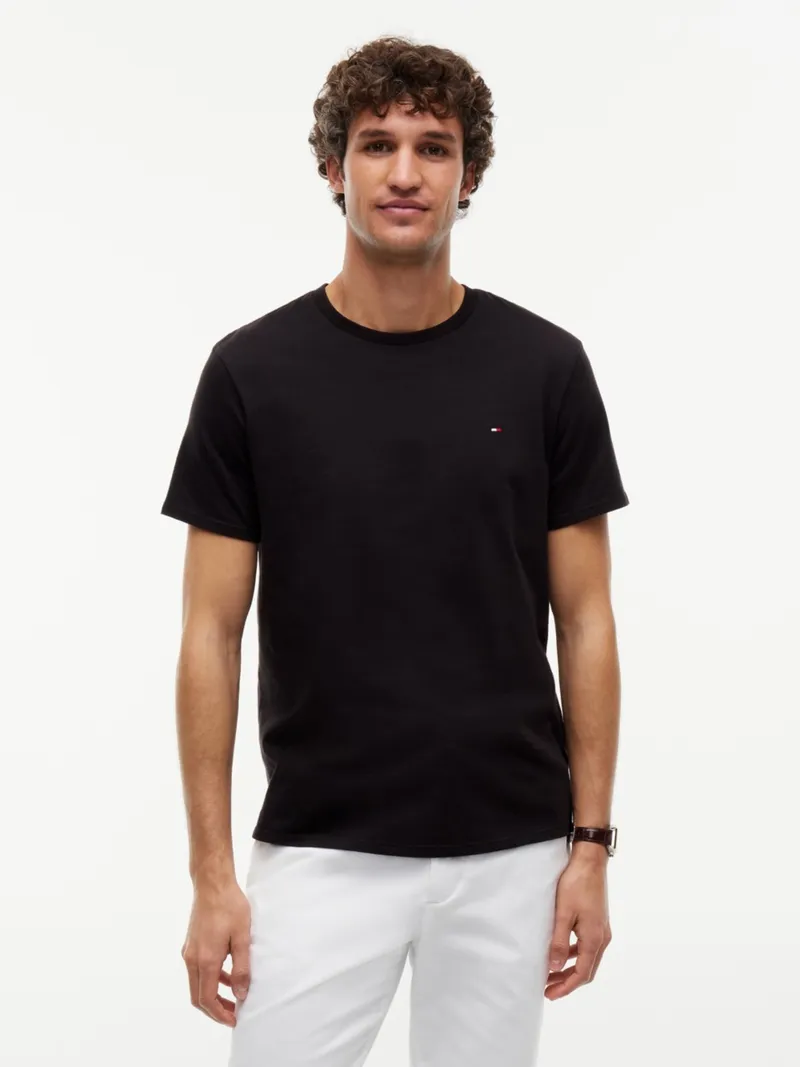
At $39.50 list this is expensive for a lightweight basic tee, and part of that is plainly the flag logo. The brand discounts it heavily and often, and at the common street price under $20 the value case is much stronger.
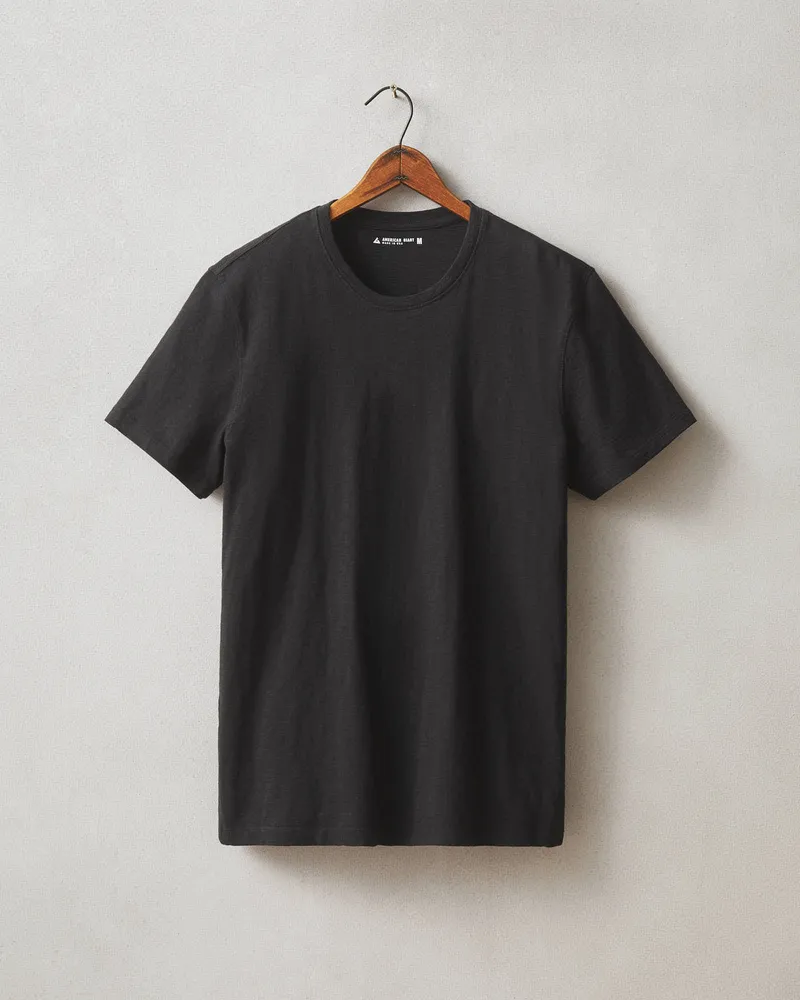
Reasonable at $40 for a heavyweight made-in-USA tee built to last years. Reviewers who prioritise durability over a fashion cut consider the cost-per-wear strong.
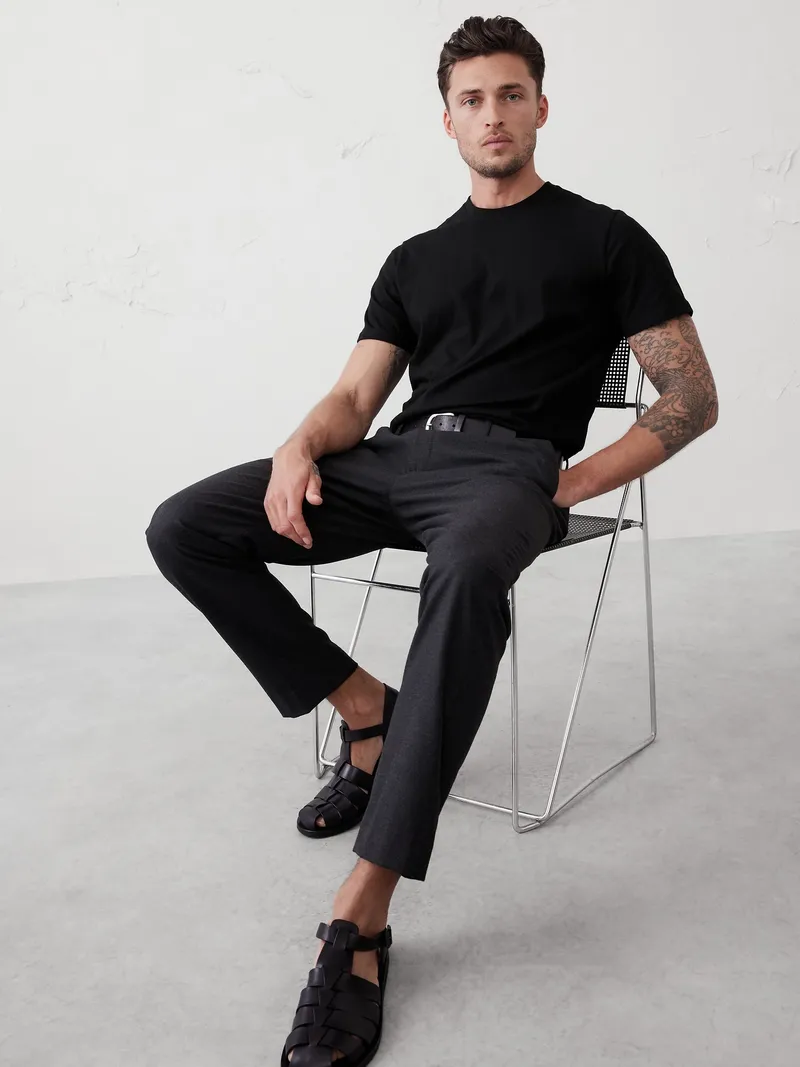
At forty dollars the upgraded cotton and cleaner cut justify the step up from basics, especially on sale.
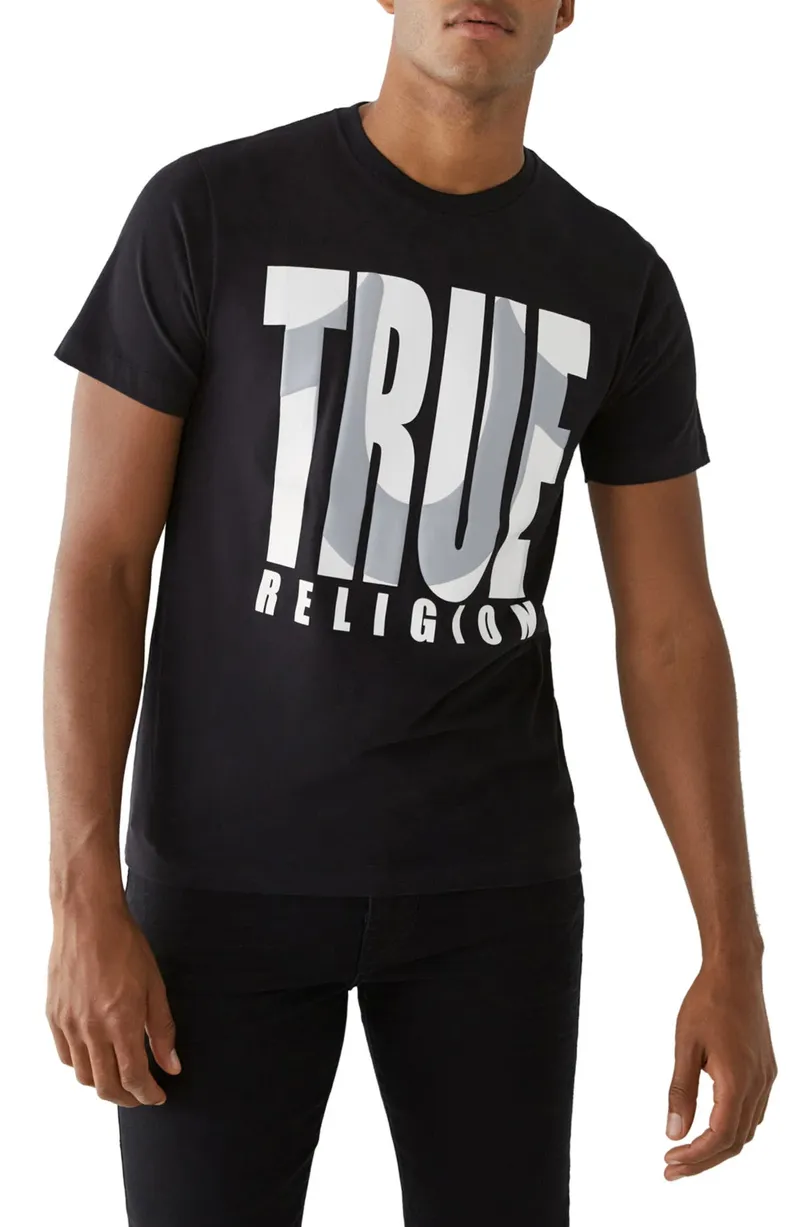
Around forty dollars buys soft cotton and bold, recognizable branding, which is fair for the positioning.
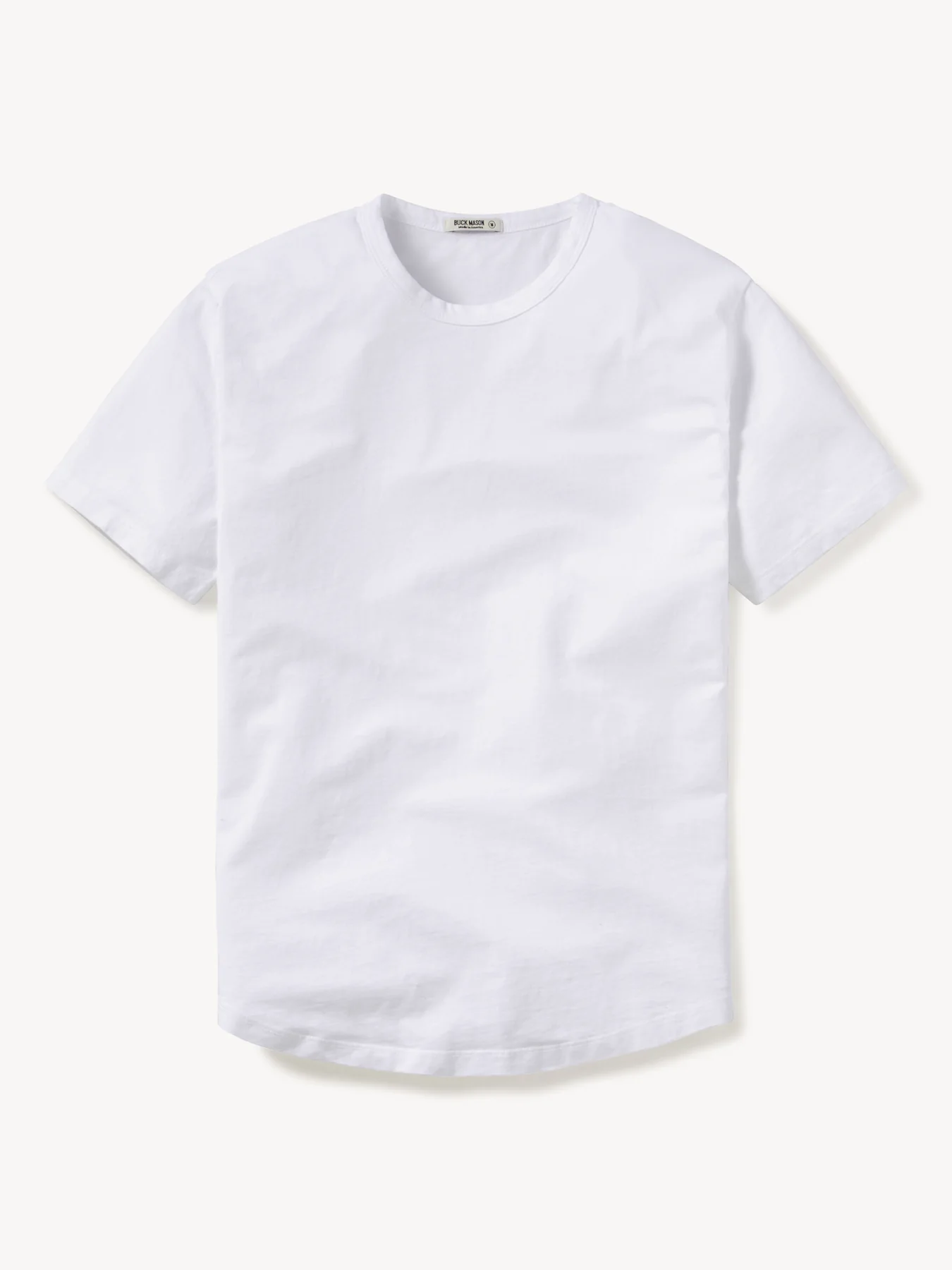
Strong value at $42 — made-in-USA Pima with real fabric character undercuts pricier designer tees. Reviewers regularly call it one of the best tees in its range.
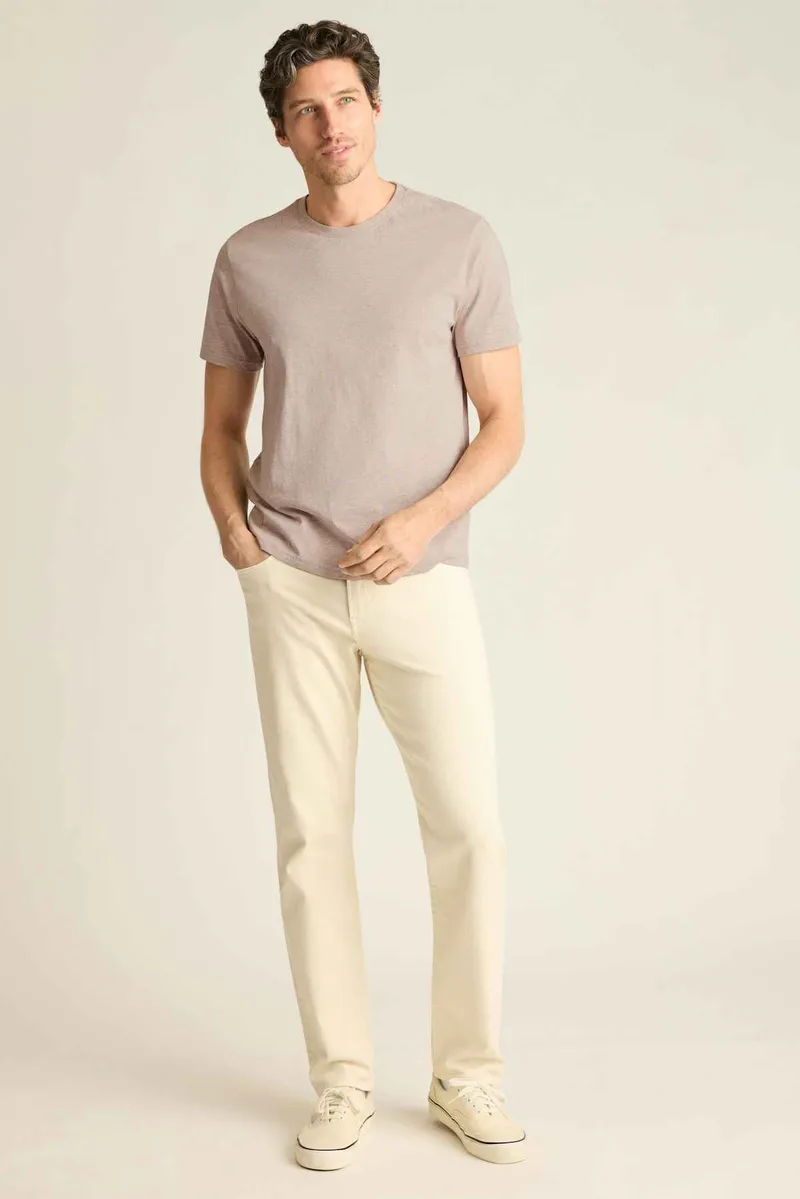
Around forty dollars buys soft cotton and a well-considered fit, which lands as fair value.
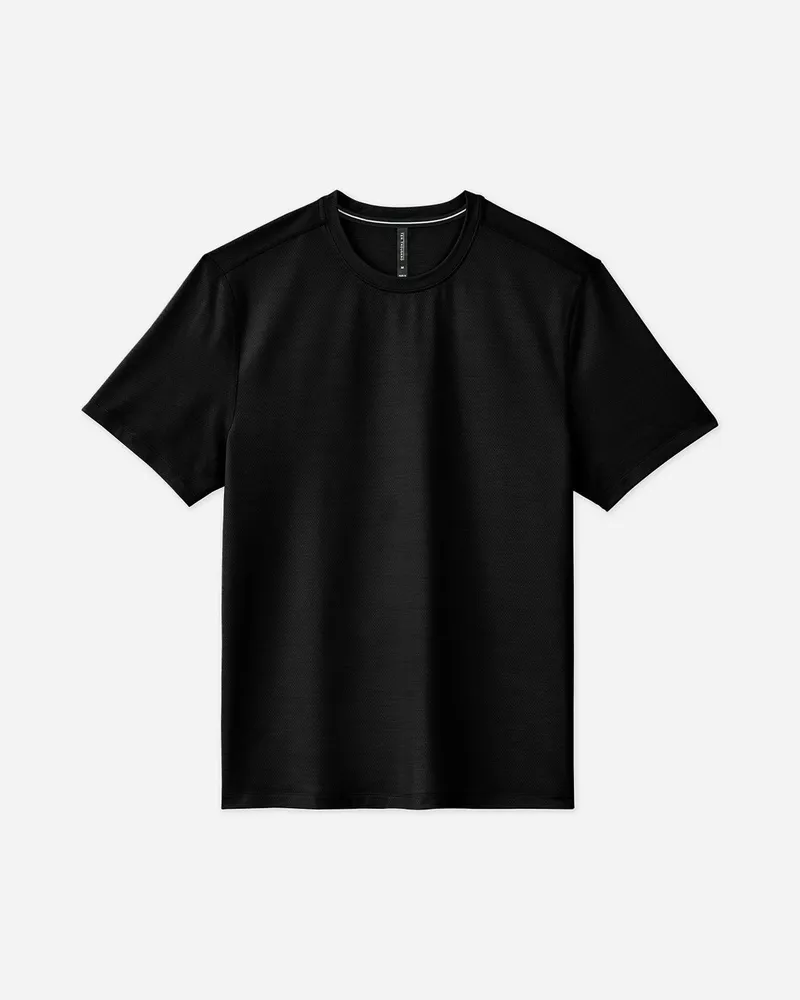
Around forty-two dollars buys genuine performance fabric and athletic construction, which is fair for dedicated training gear.
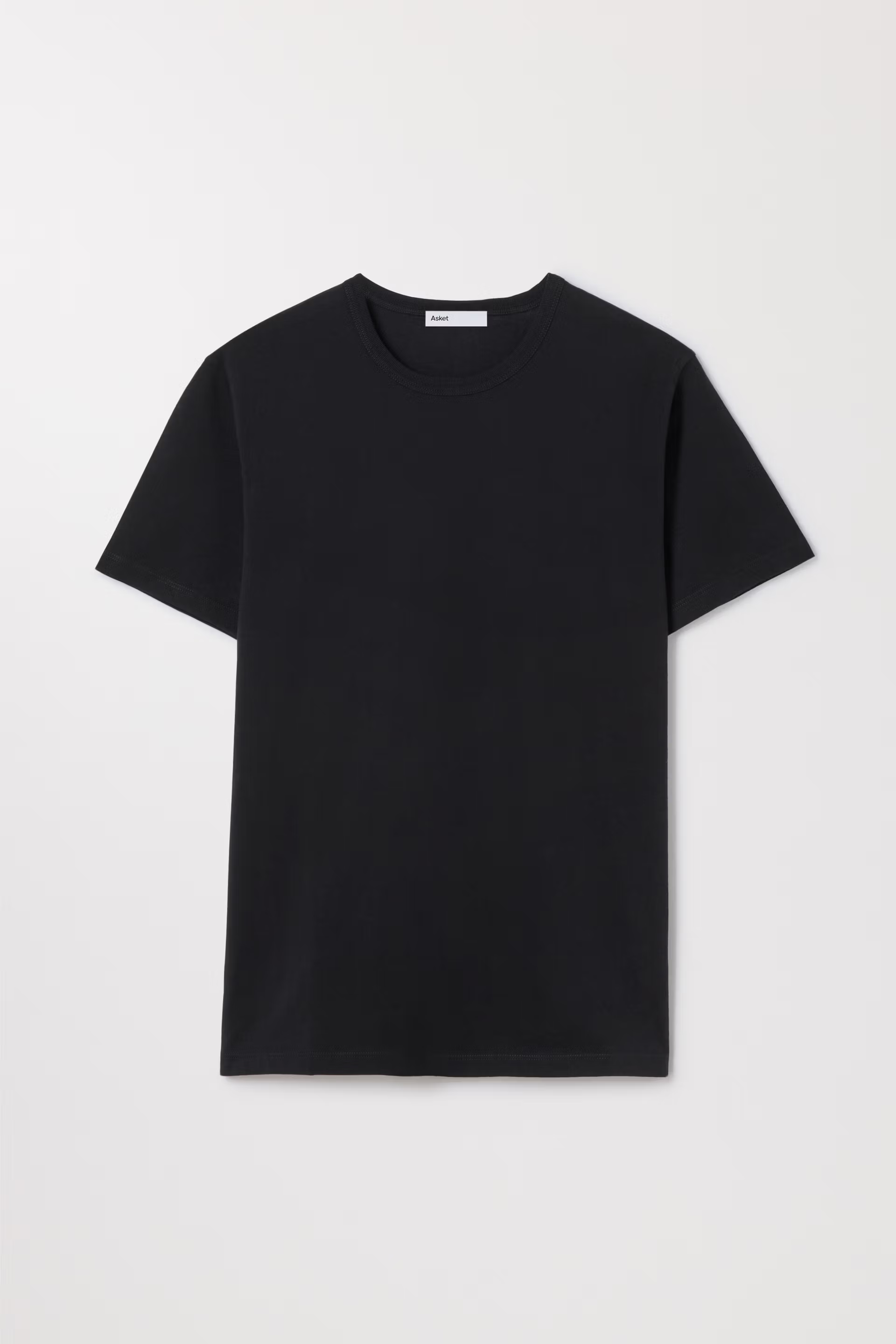
Fair at $45, and a clear win if standard tees never fit your torso length — the size grid is the differentiator. On fabric alone it's matchable for less; the value is the fit precision and transparency.
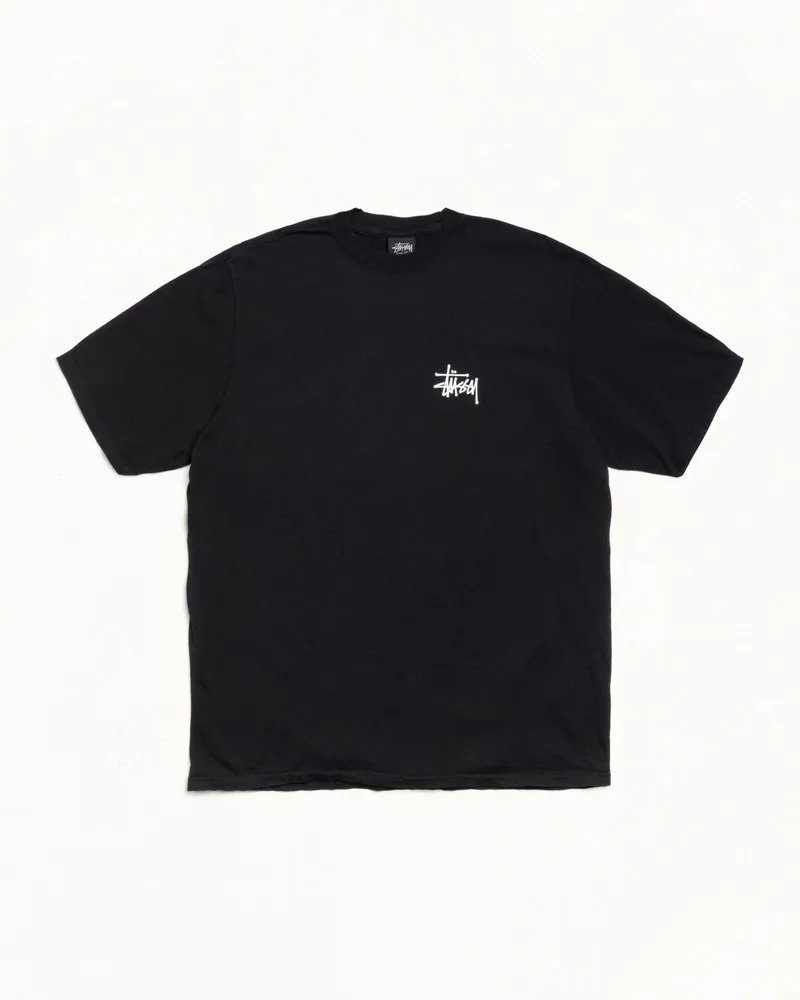
Fair for a heritage streetwear tee, with the understanding you pay for the name. At $45 the cotton is genuinely good, but the logo and cachet drive the price as much as the build.
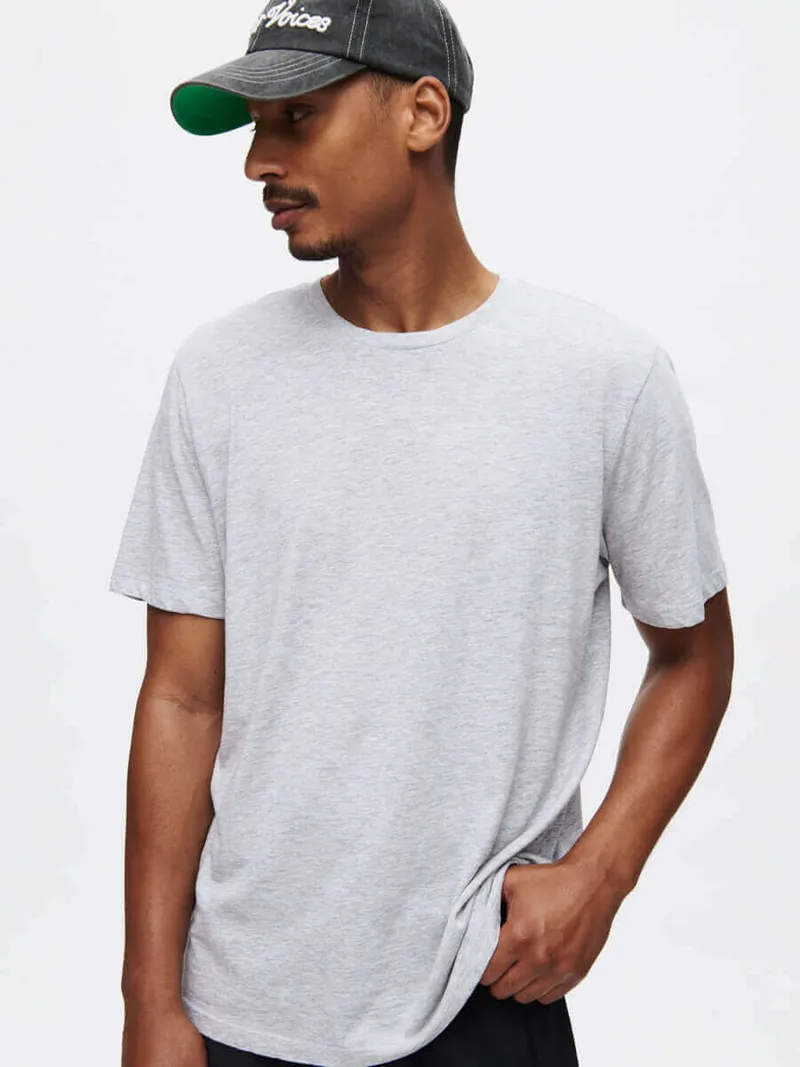
Reasonable if you want one tee for movement and everyday wear. At $45 you pay for the soft performance-casual hybrid; pure-cotton tees cost less but won't move the same way.
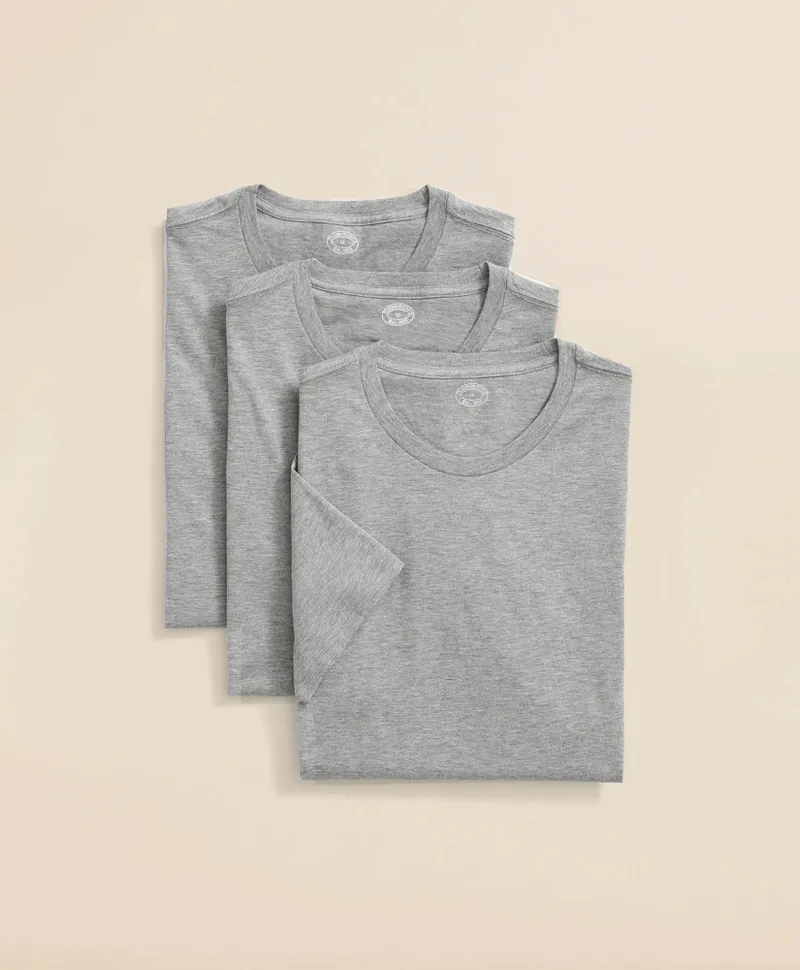
Around forty-five dollars buys long-staple supima and clean finishing, which reads as fair for the quality.
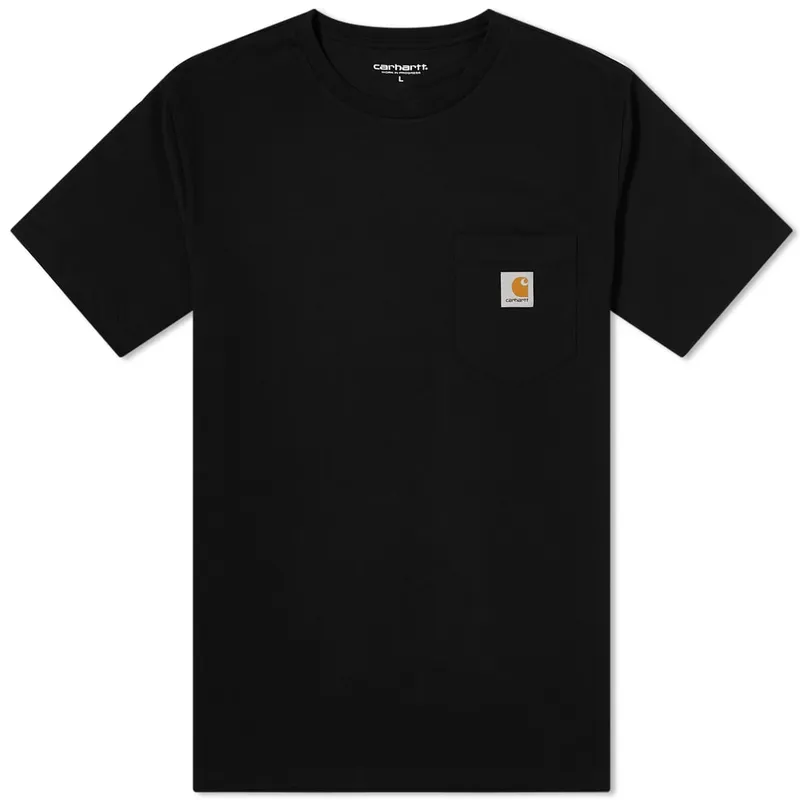
Around forty-five dollars buys substantial cotton and street credibility, which is fair for the elevated workwear-streetwear niche.
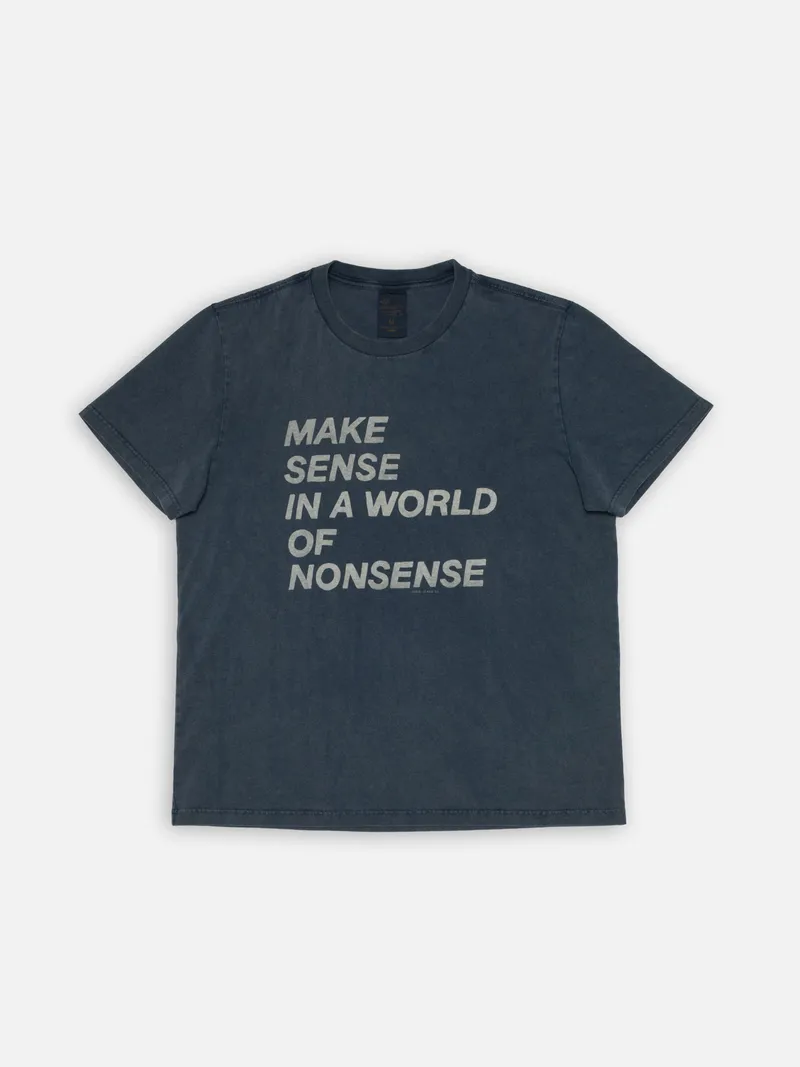
Around forty-five dollars buys certified organic cotton and a brand with strong sustainability credentials, which is fair value.
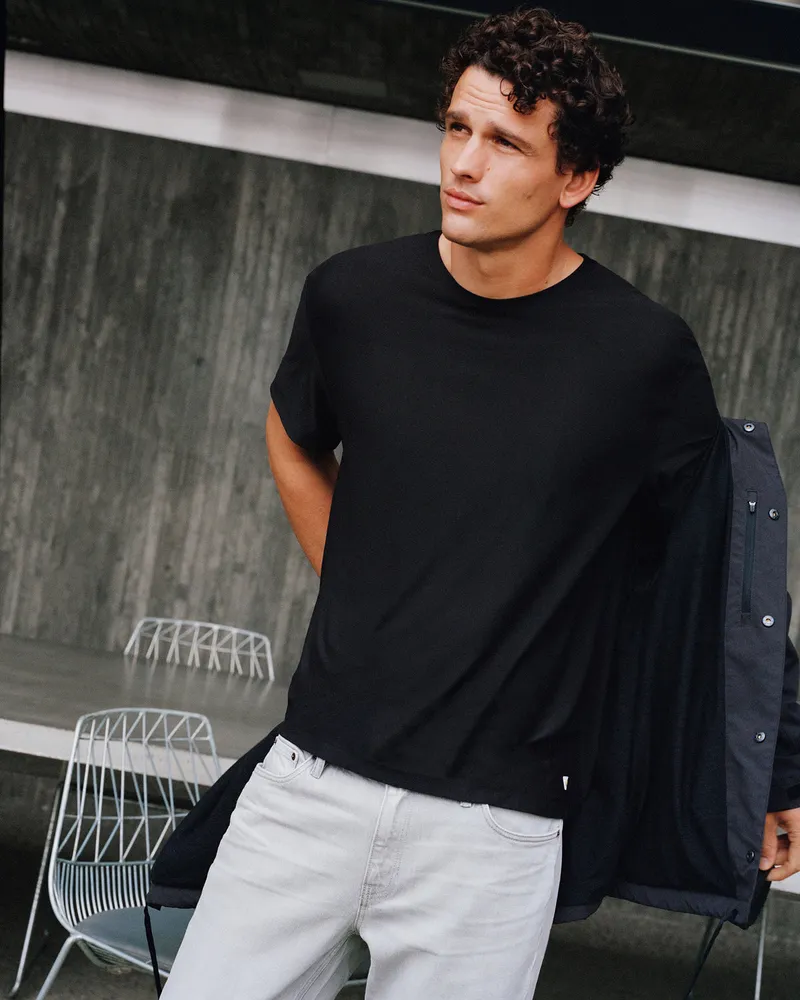
A premium spend at $48, justified mainly by the standout softness and performance. Reviewers who want a buttery, sweat-friendly everyday tee find it worth it; cotton purists will balk at the price for a synthetic blend.
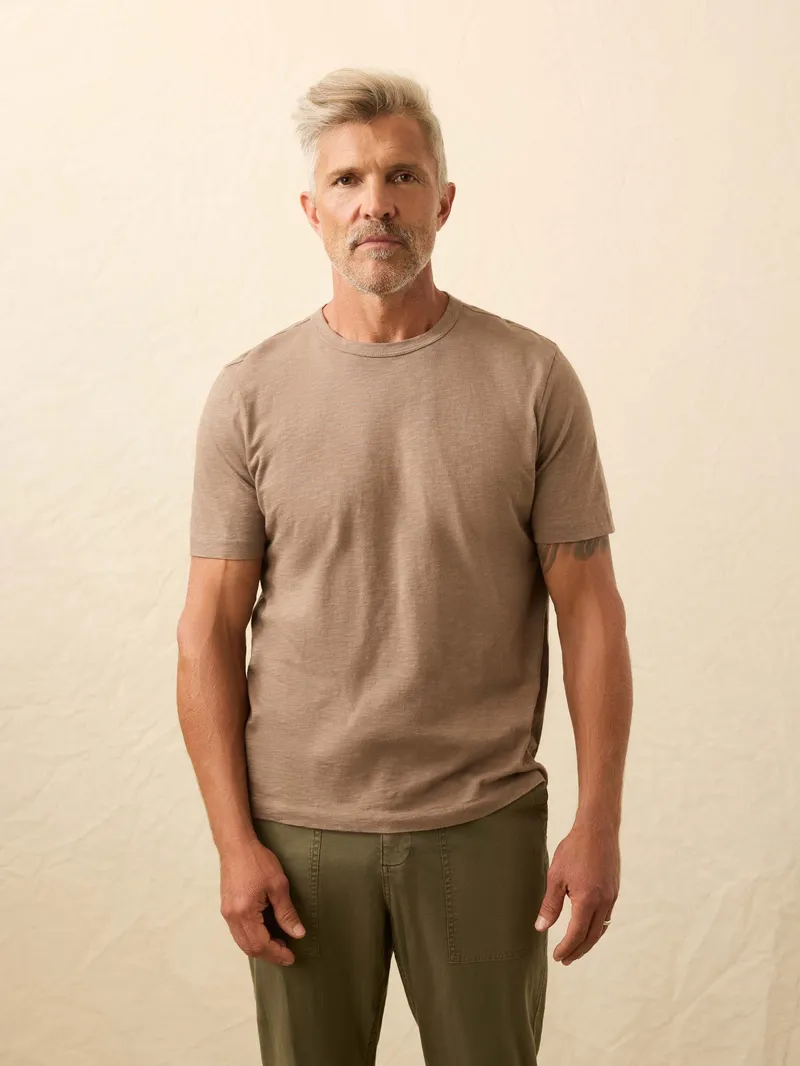
Just under fifty dollars buys soft organic cotton and a pre-washed feel, which is fair for the comfort and sourcing.
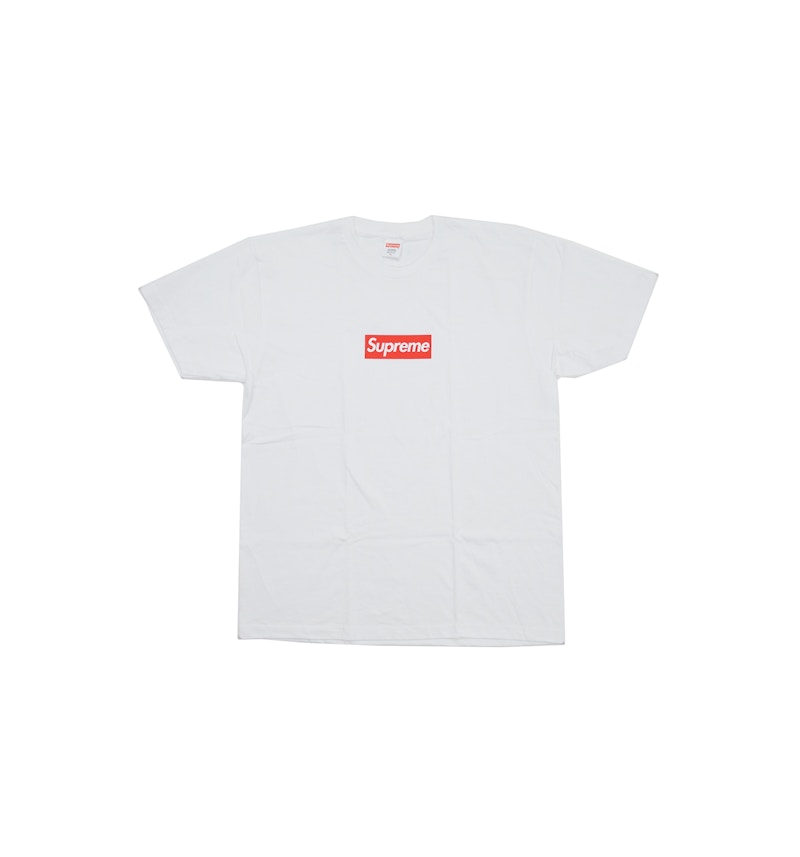
Retail (~$44-$58) is reasonable for a heavier printed cotton tee. The resale number is the catch: paying $200+ for a screen-printed logo tee only makes sense if the logo itself is the point. The garment underneath is a $20-$60 tee.
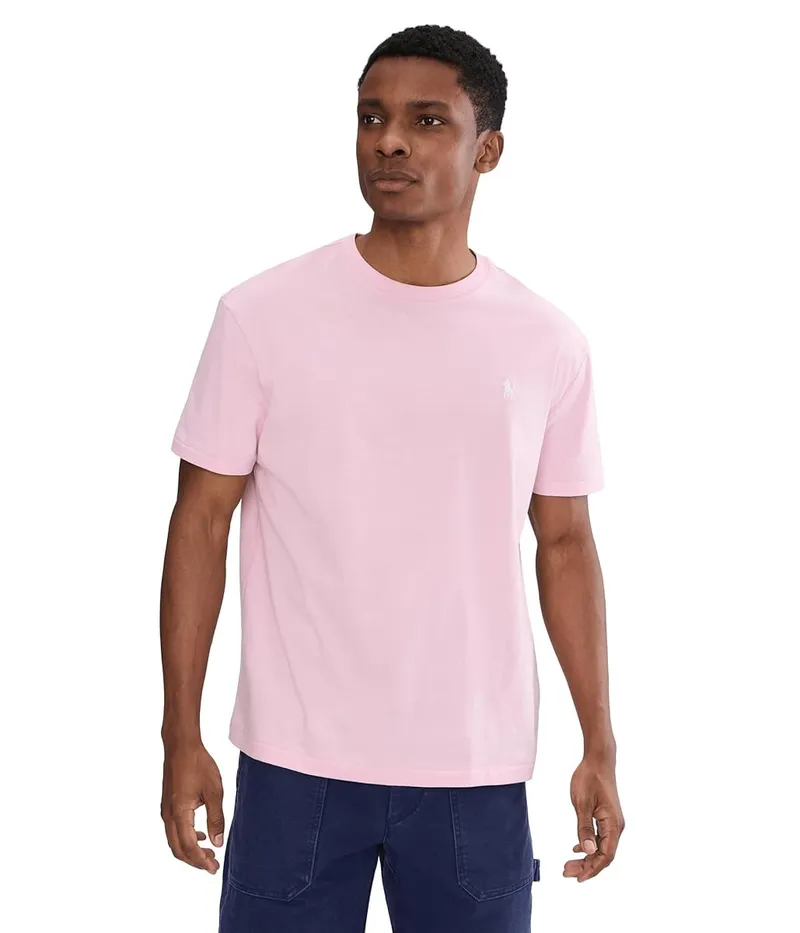
Around fifty dollars buys soft cotton and the recognizable pony, which is fair for the heritage positioning.
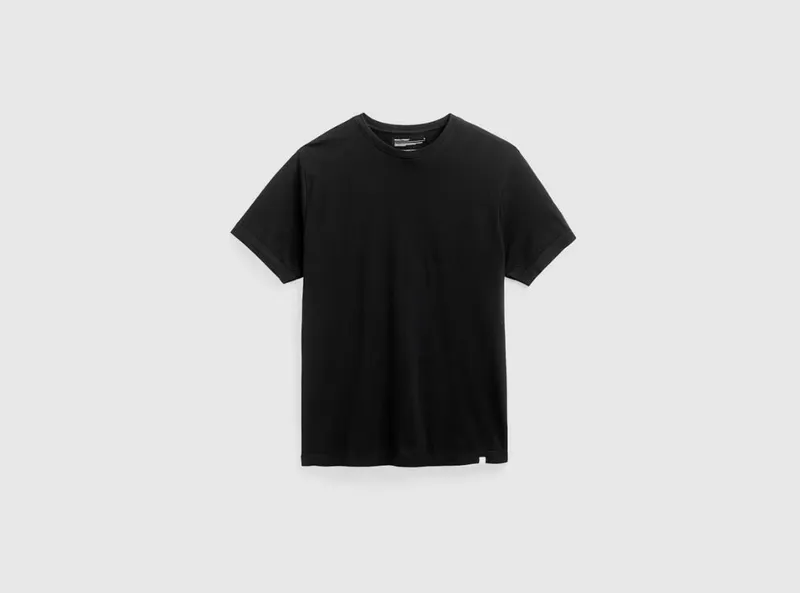
Around fifty dollars buys genuine performance technology in a polished cut, which is fair for the engineered positioning.
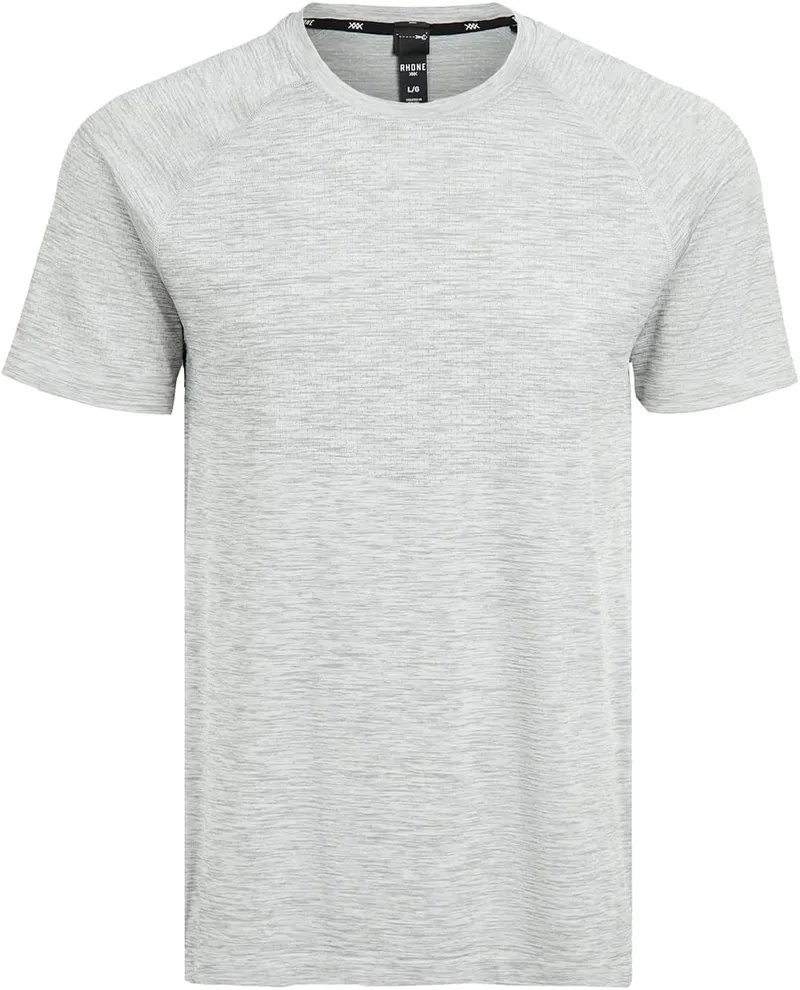
Around fifty dollars buys premium performance fabric and anti-odor technology, which is fair for the elevated training positioning.
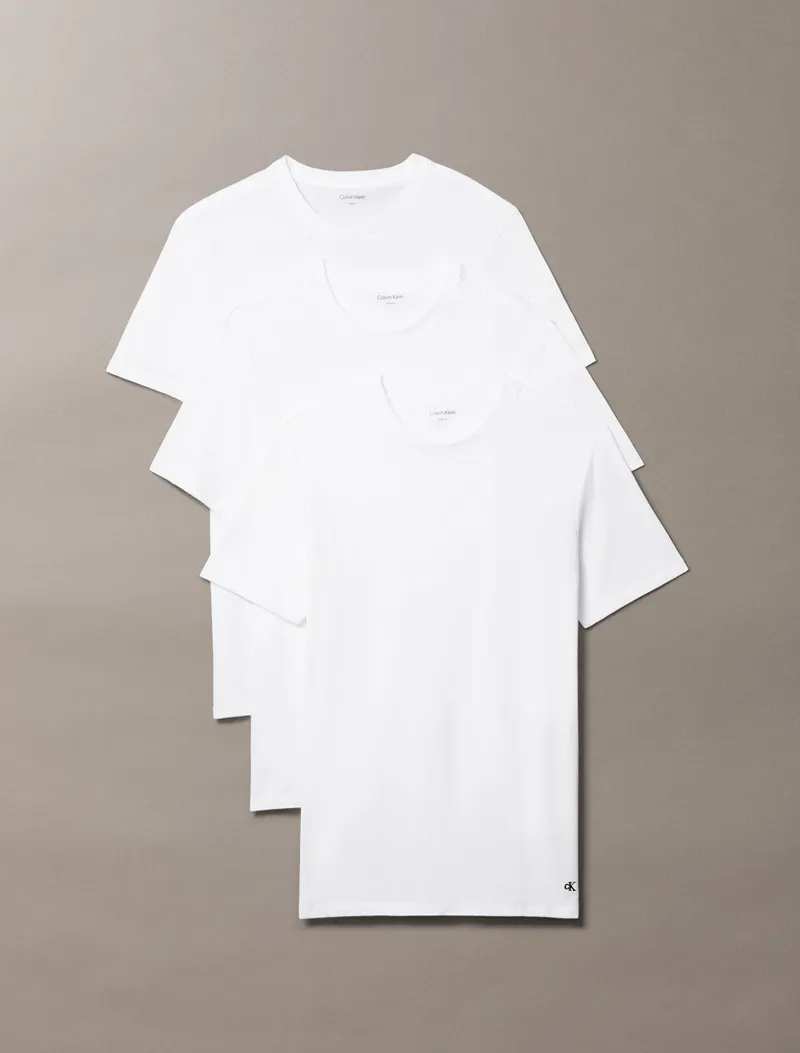
At $52.50 for three, each shirt works out to about $17.50 — mid-pack pricing for a plain cotton crew, and part of that is the famous logo. Routine 20-percent promotions pull it closer to commodity-multipack territory, where the value cas…
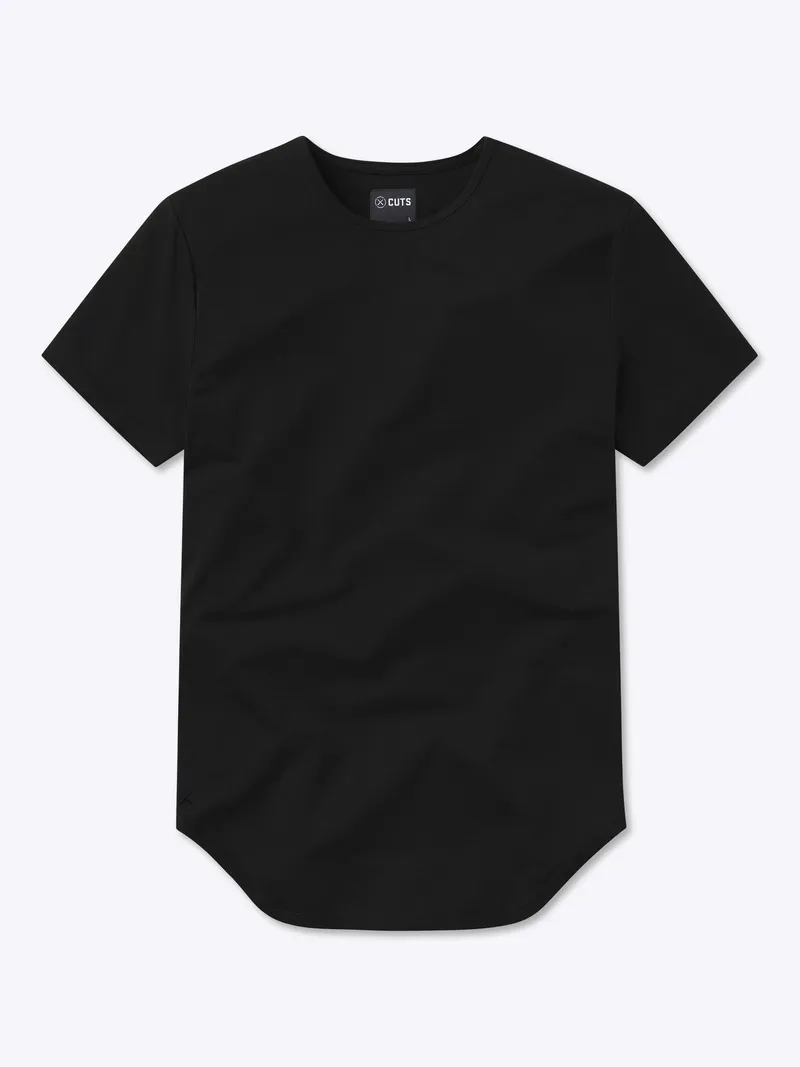
A premium price at $54 that reviewers debate. You pay for the structured, polished look and shape retention; fans find it worth it, skeptics call it a marketing-led markup over plainer cotton tees.
Premium
· $55 – $95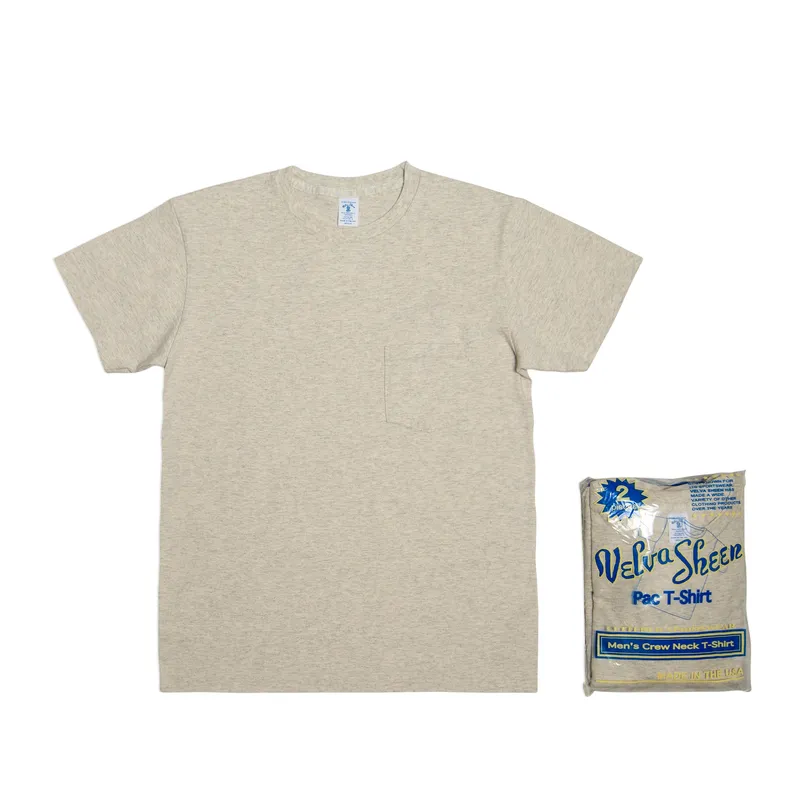
Fair for a tubular-knit heritage tee, given the niche production. At $55 you pay for authentic vintage construction and hand-feel; reviewers who value that consider it well-priced for the category.
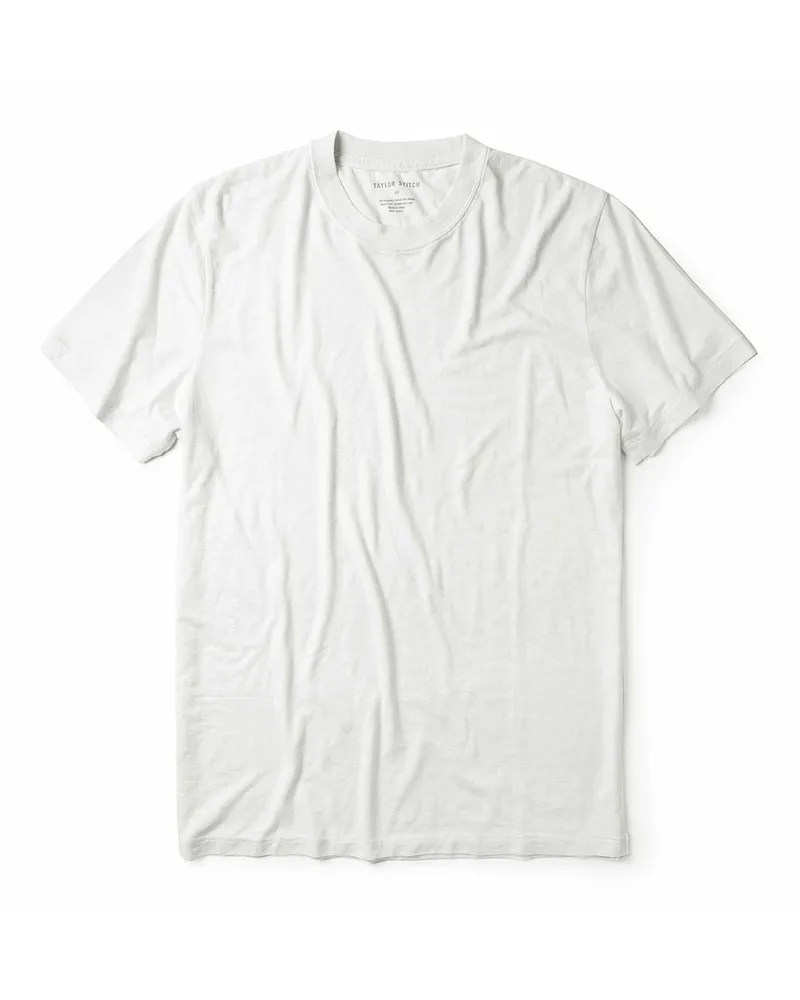
Around fifty-five dollars buys a durable hemp-cotton blend and solid construction, which is fair for the sustainable positioning.
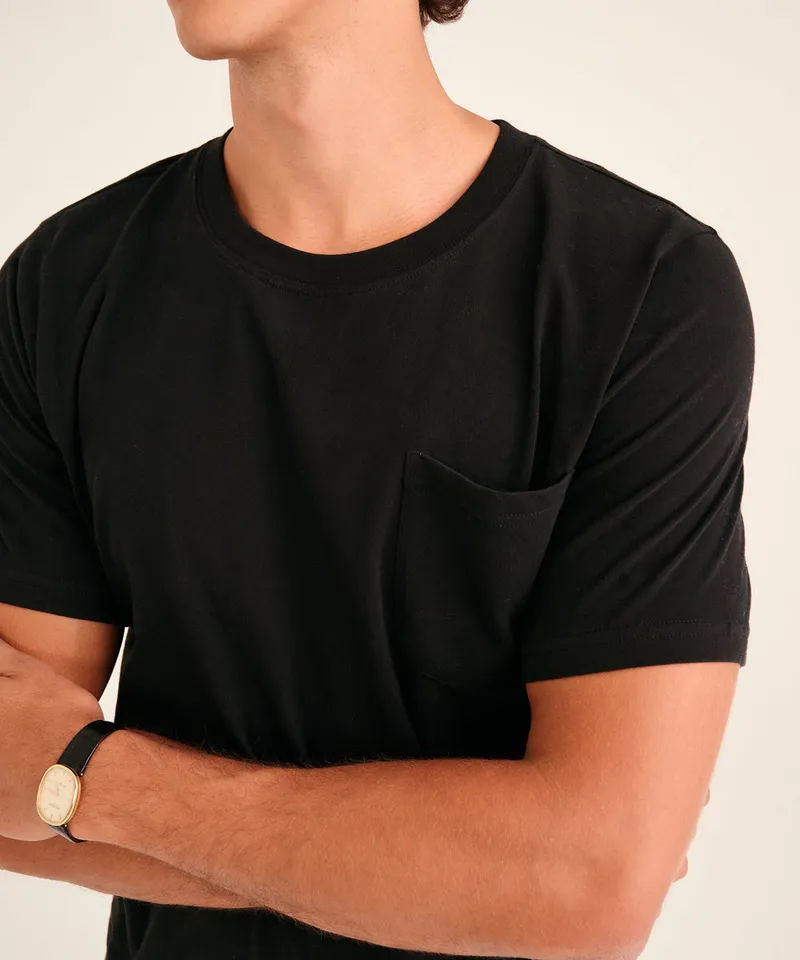
Around fifty-five dollars buys fine pima cotton and clean finishing, which is fair for the elevated basics segment.
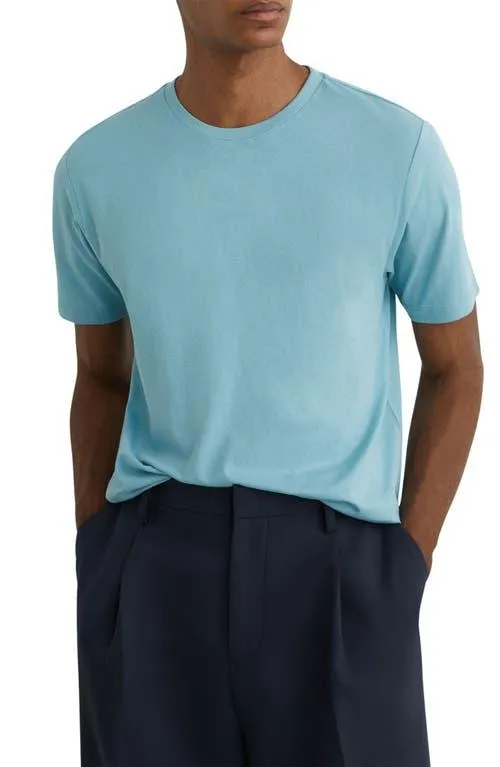
Around fifty-five dollars buys fine cotton and a tailored cut, which is fair for the elevated smart-casual positioning.
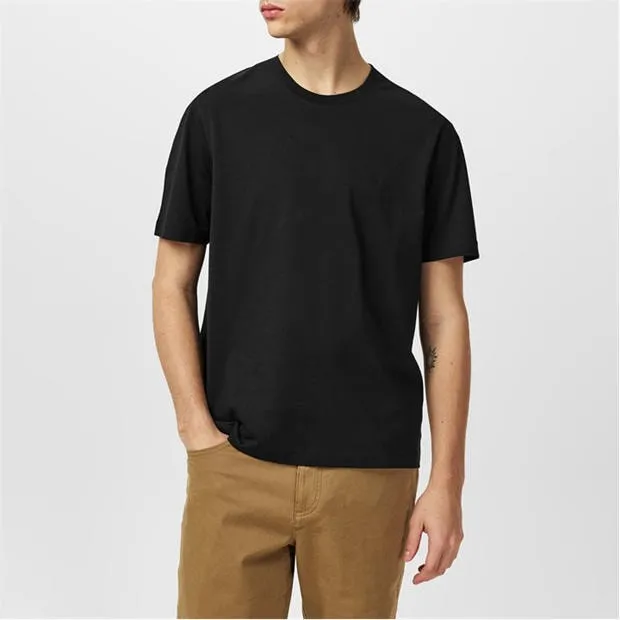
Around fifty-five dollars buys soft cotton and the brand's signature detailing, which is fair for the positioning.
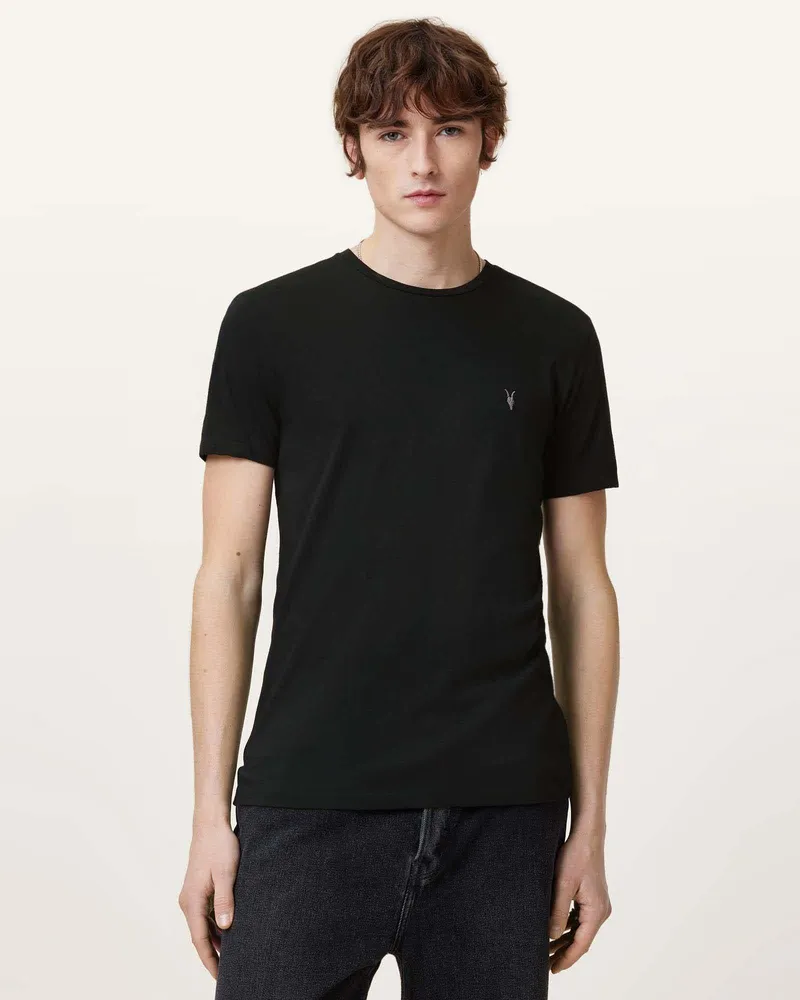
Around fifty-five dollars buys soft brushed cotton and a distinctive cut, which is fair for the contemporary positioning.
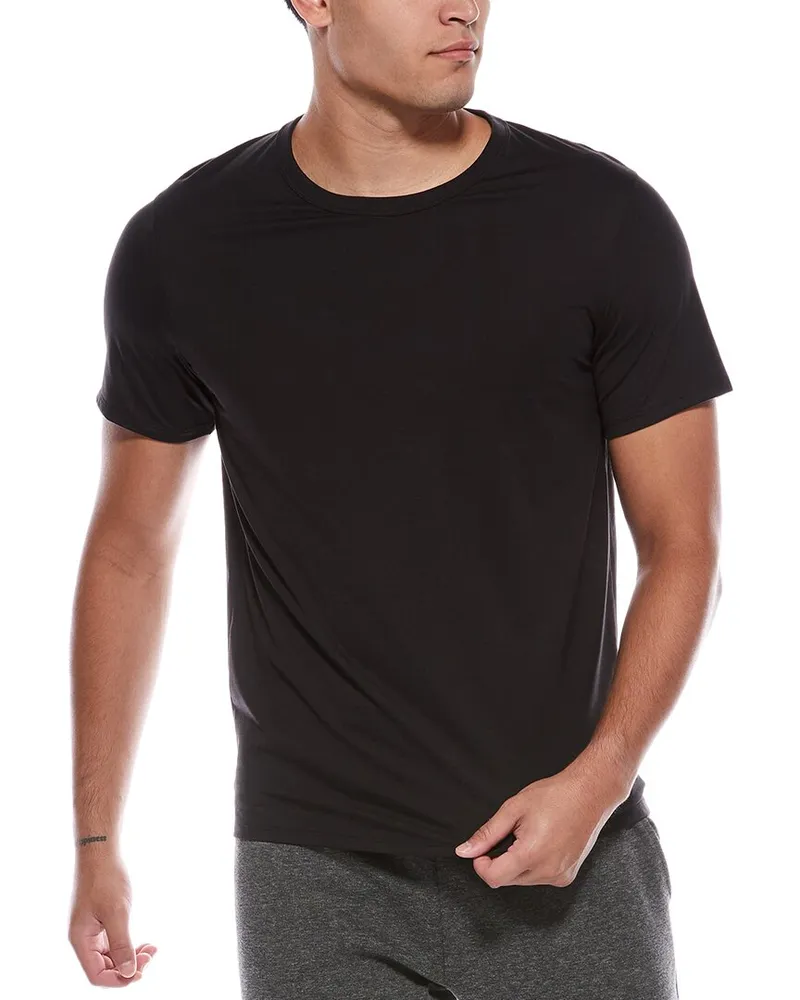
A premium spend at $58, in line with the brand. Reviewers who want a polished, performance-capable everyday tee find it worth it; anyone after a plain cotton crew will find the price hard to justify.
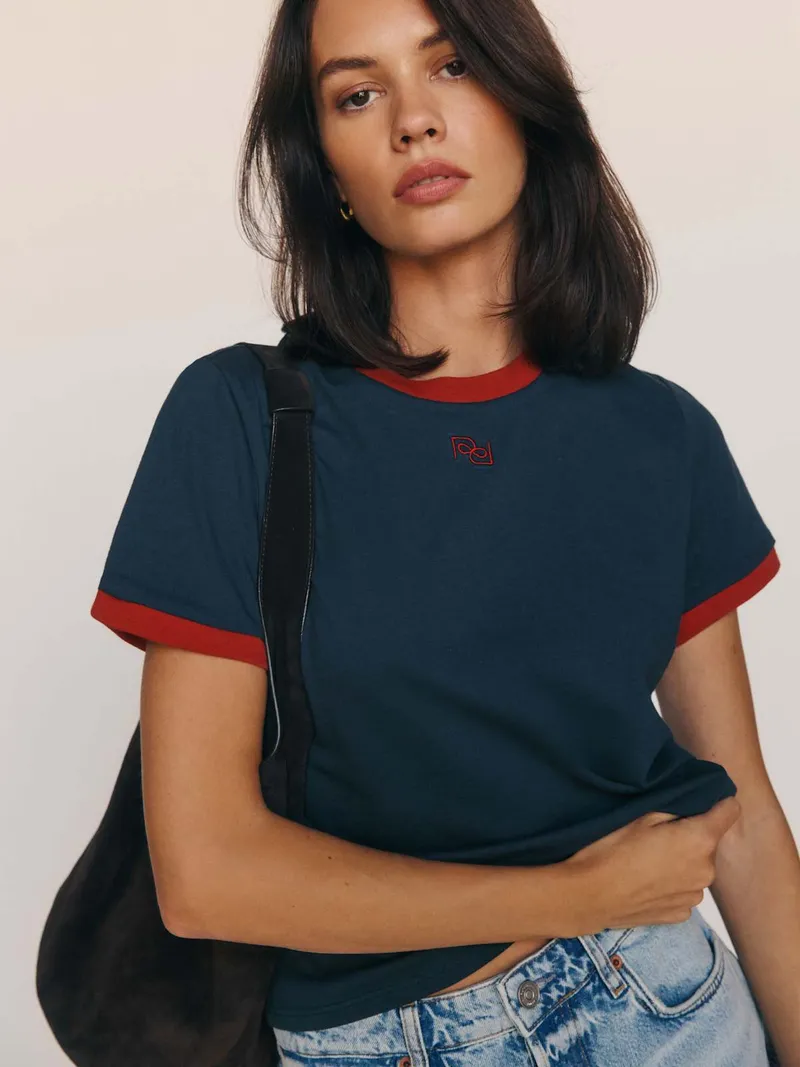
Just under sixty dollars buys responsibly sourced cotton and a flattering cut, which reads as fair for the positioning.
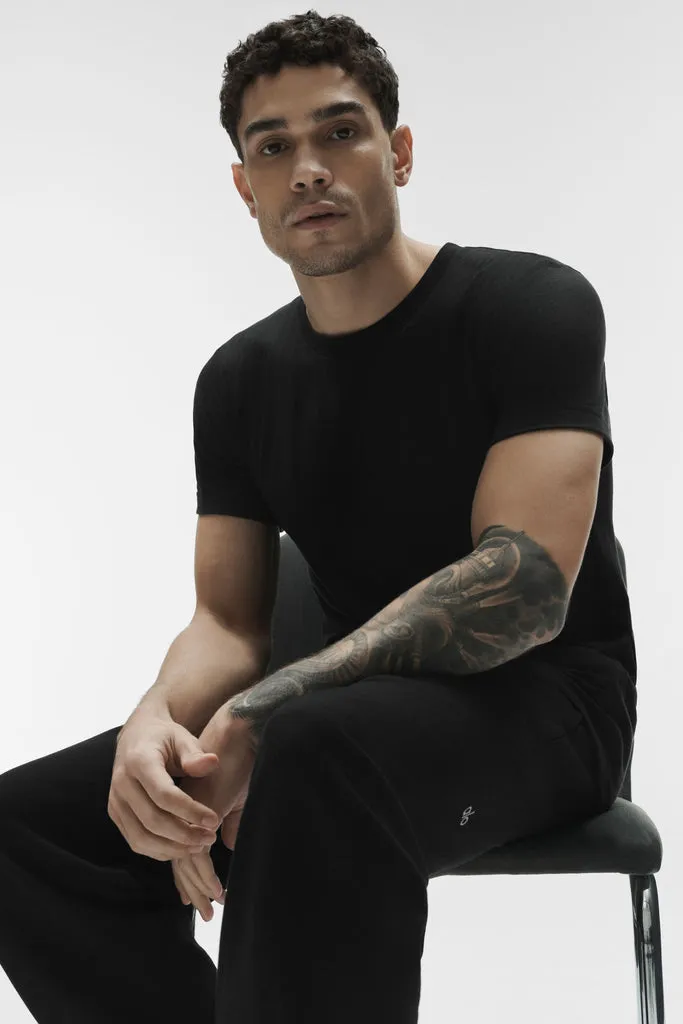
Around fifty-eight dollars is premium for a tee, but the soft fabric and elevated athleisure styling reflect the positioning.
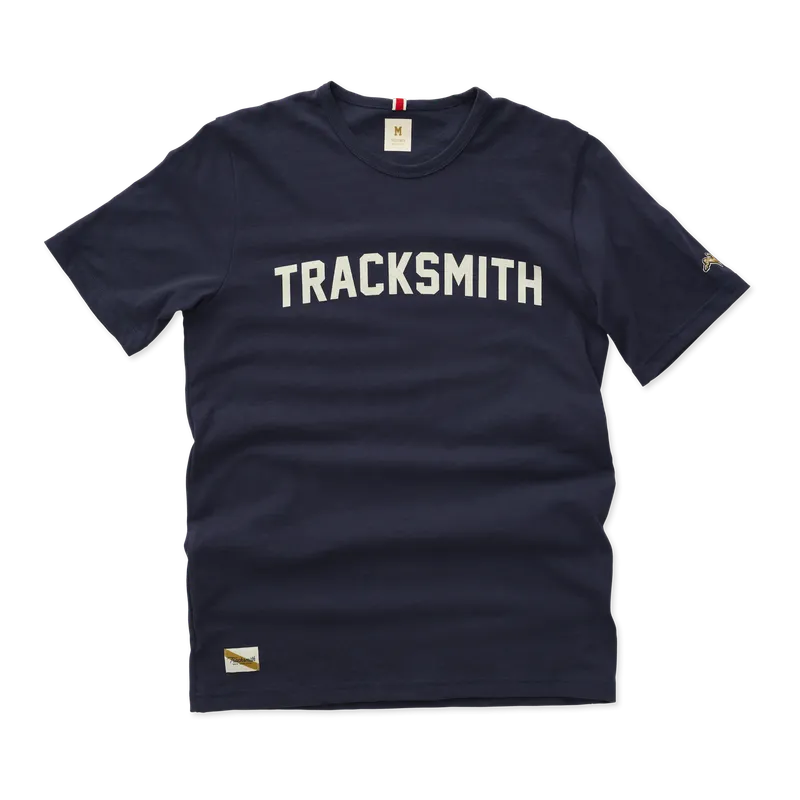
Around fifty-eight dollars buys quality cotton and a refined running aesthetic, which is fair for the premium positioning.
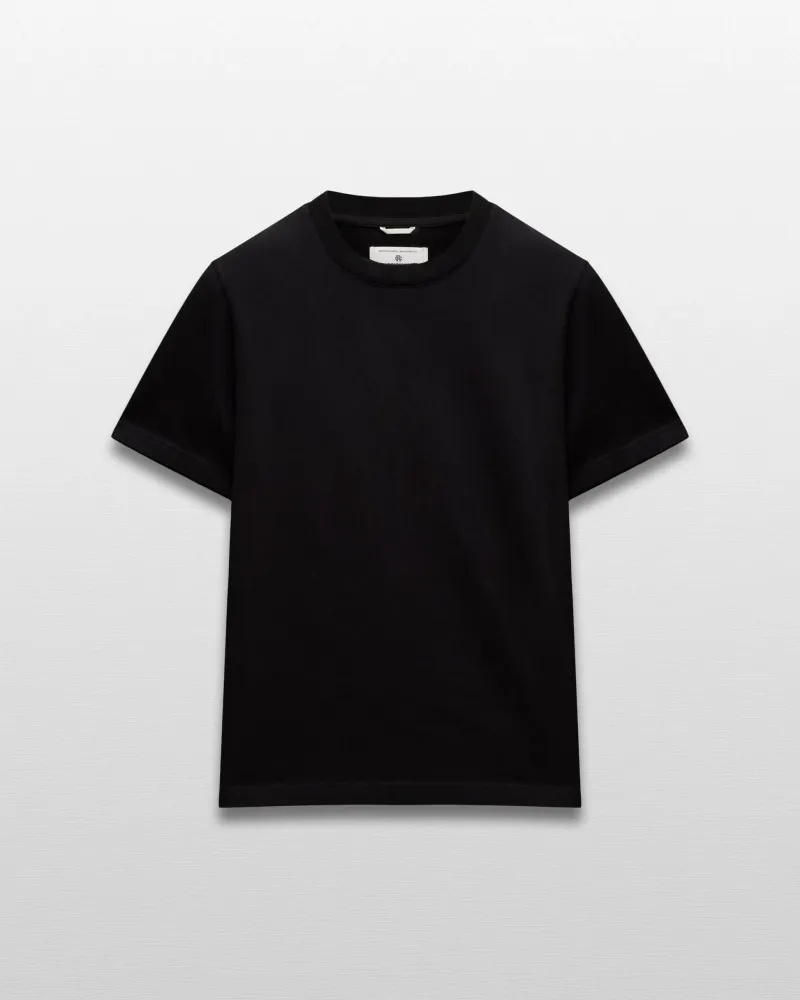
A genuine premium at $60, justified mainly by fabric and construction. Reviewers who want gym-grade cotton that survives years of washing feel it's worth it; anyone after a plain tee will find the spend hard to rationalise.
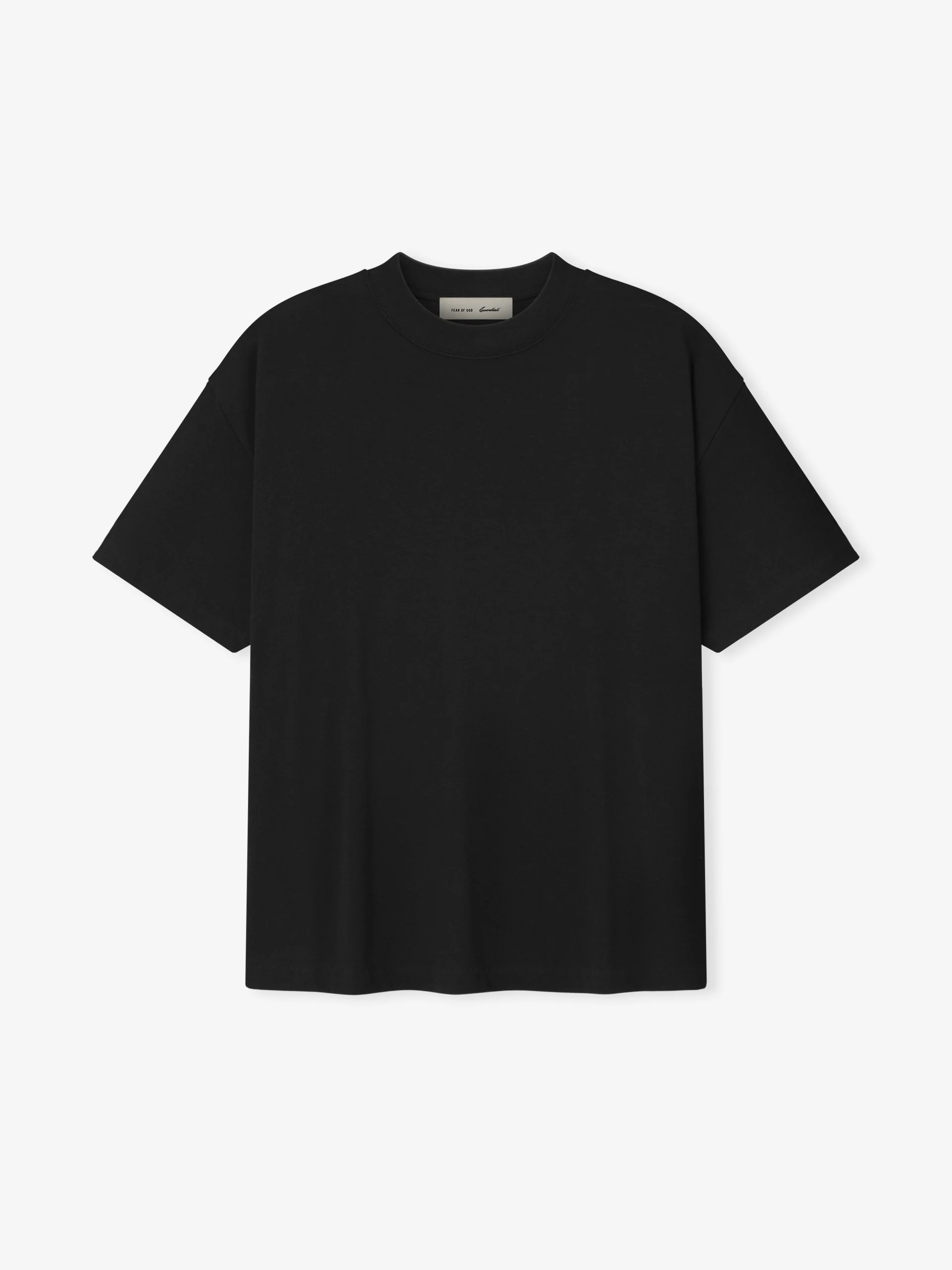
You're paying for the silhouette and the name, not a fabric breakthrough. Reviewers who want the boxy Essentials look consider it fair; anyone judging on cotton alone will find $60 steep.
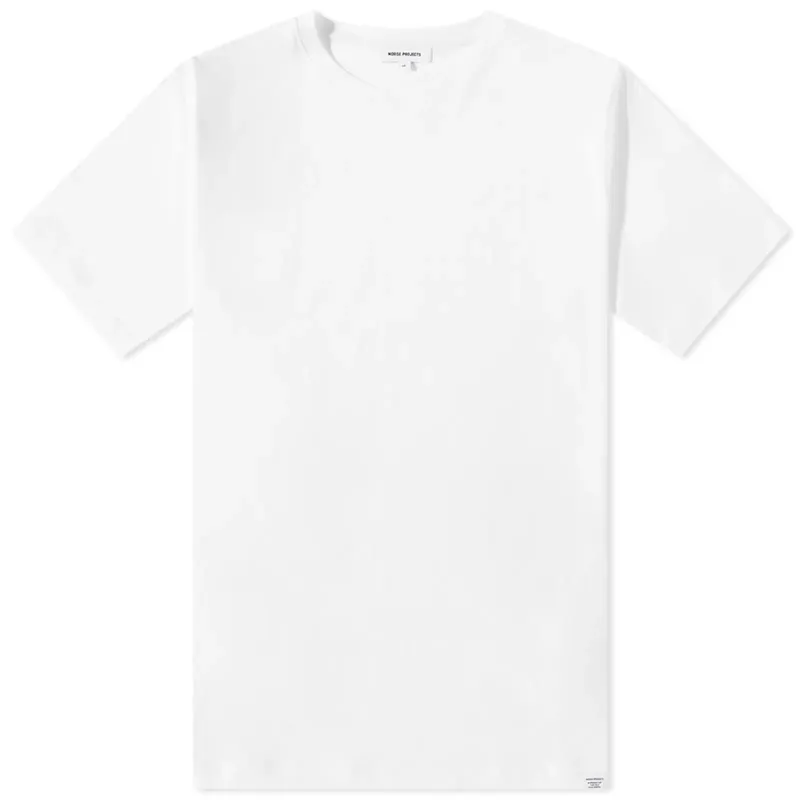
Around sixty dollars buys quality cotton and exacting construction, which is fair for the considered minimalist niche.
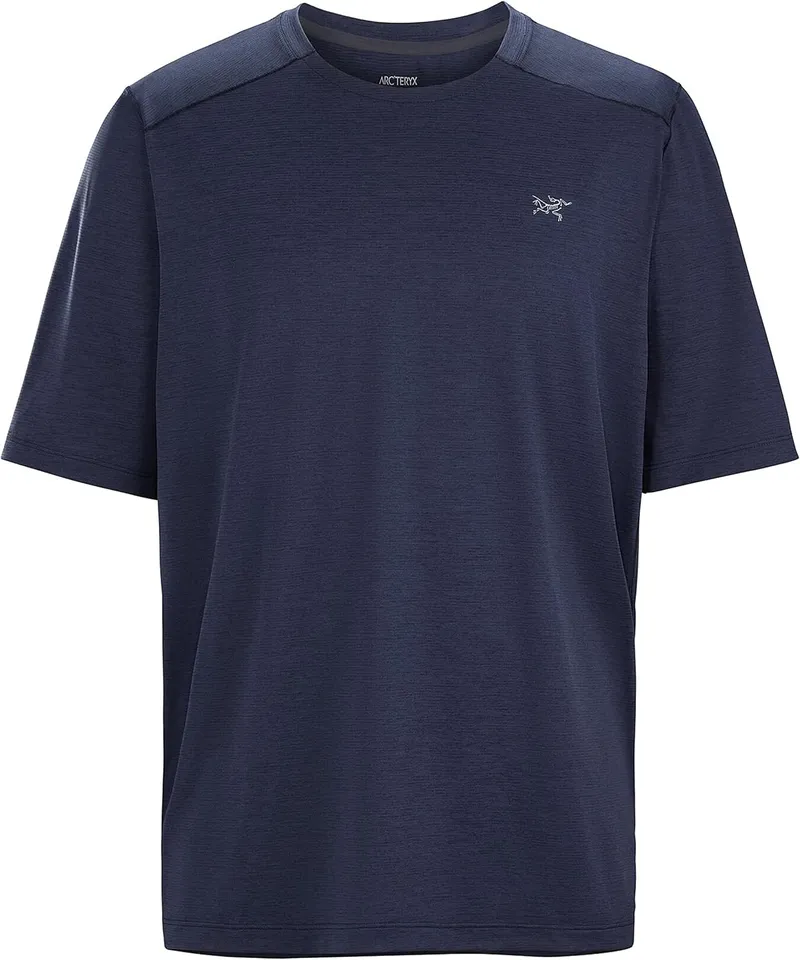
Around sixty dollars is premium for a performance tee, justified by the technical fabric, refined cut, and brand precision.
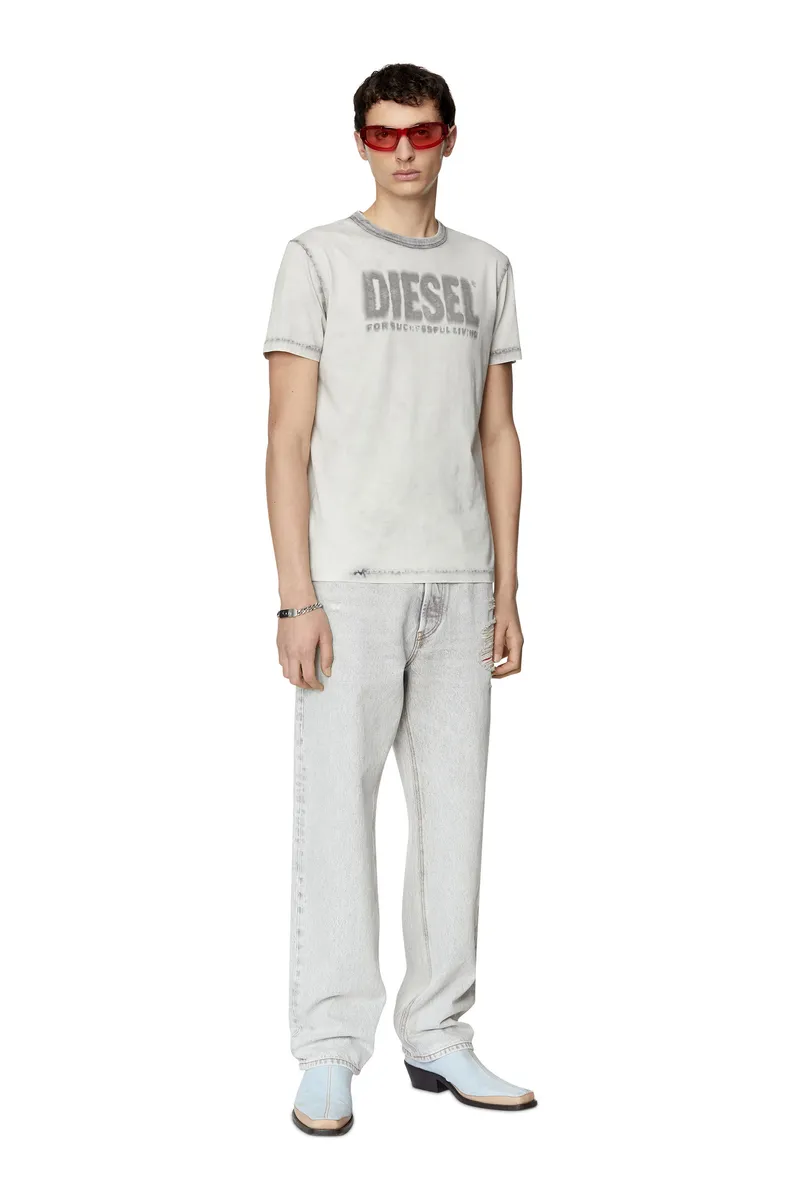
Around sixty dollars buys soft cotton and bold branding, which is fair for the contemporary fashion positioning.
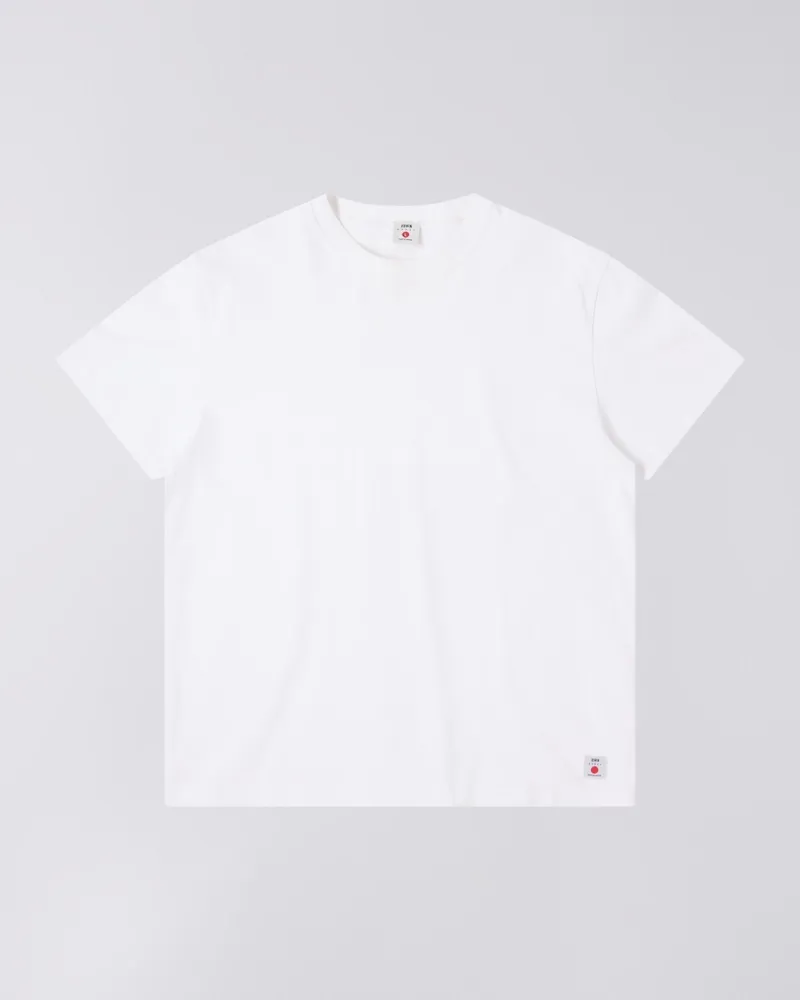
Around sixty dollars buys quality Japanese cotton and considered construction, which is fair for the heritage positioning.
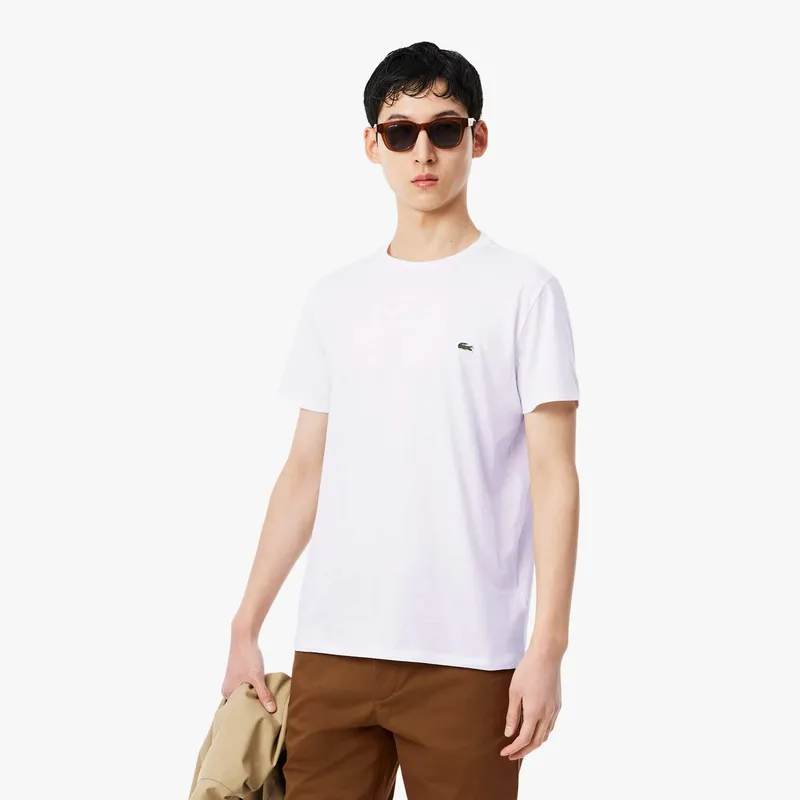
Sixty dollars for a plain 100% cotton tee is a substantial brand premium — a large share of the price is the crocodile. The Pima fabric is genuinely nicer than a basic cotton jersey, but shoppers who don't care about the logo can get sim…
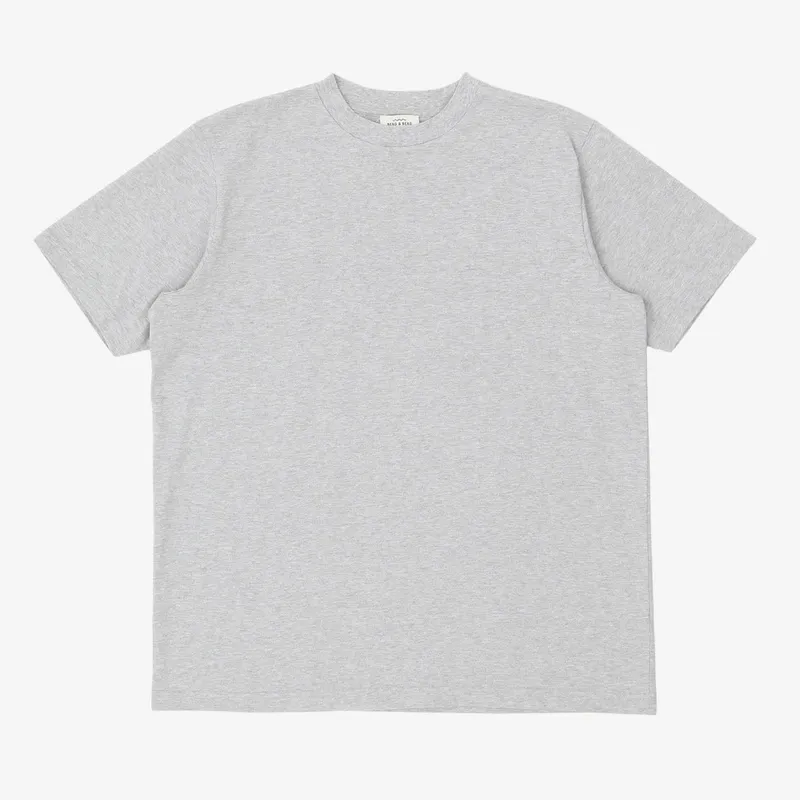
Around sixty-five dollars buys fine cotton and a tailored cut from a quality menswear house, which is fair value.
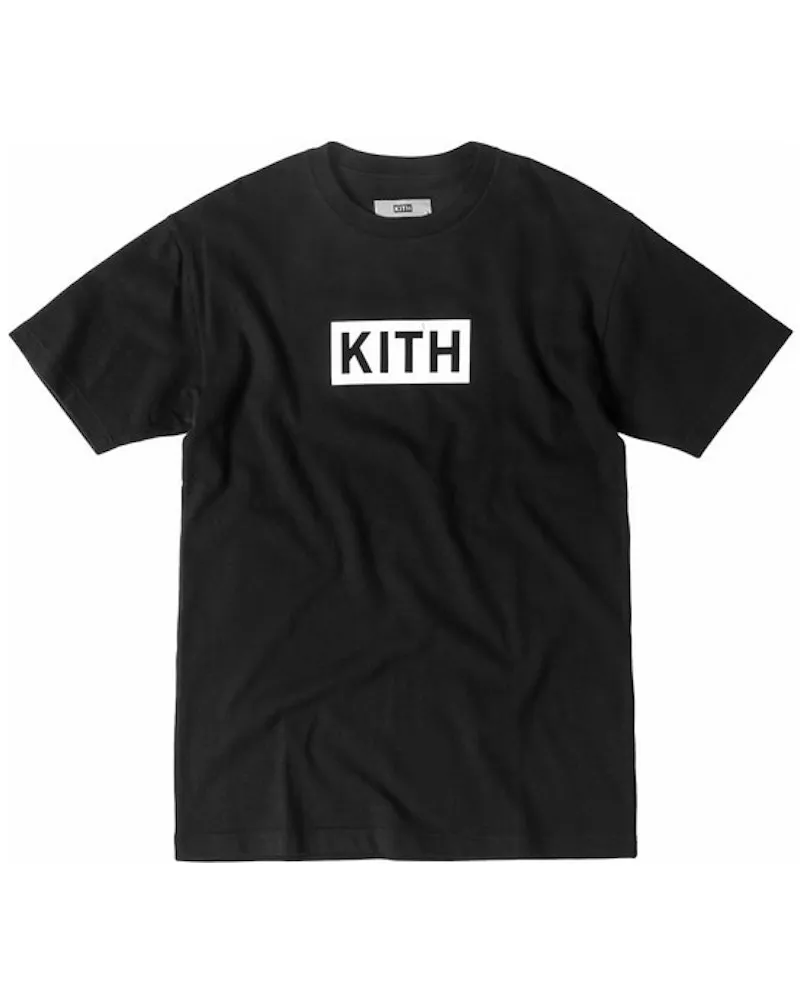
Around sixty-five dollars buys substantial cotton and the brand's streetwear cachet, which is in line with the positioning.
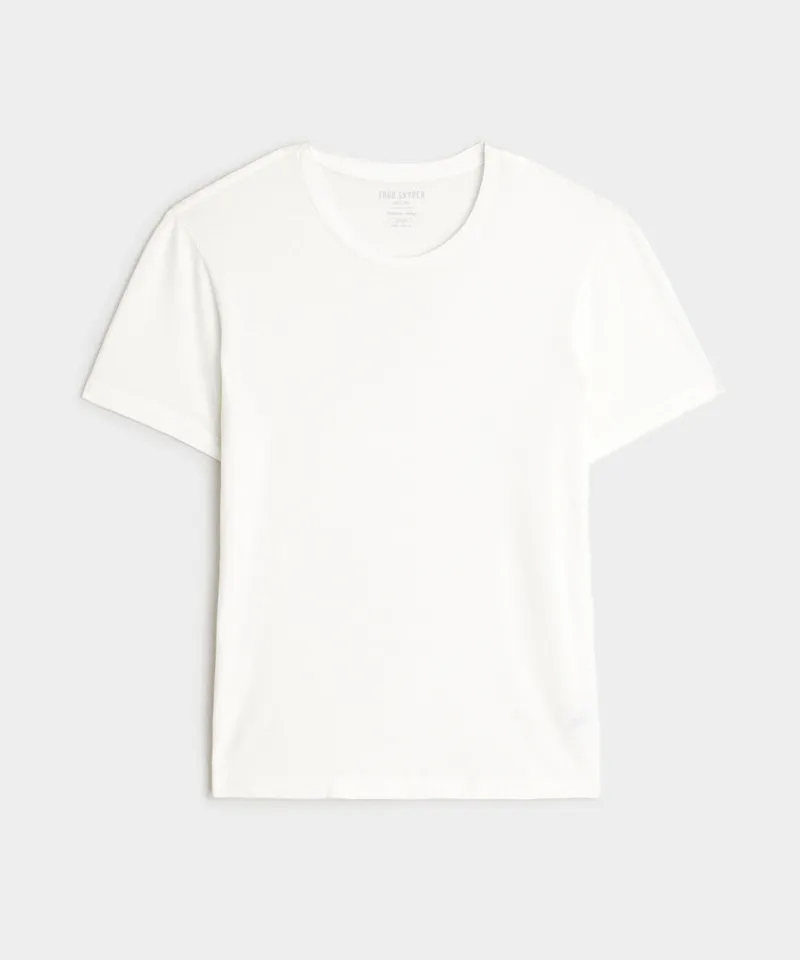
Premium at full price, a strong value on Todd Snyder's regular sales. At $68 you pay for fine cotton and a tailored cut; reviewers consistently catch it discounted, where the refinement clearly lands.
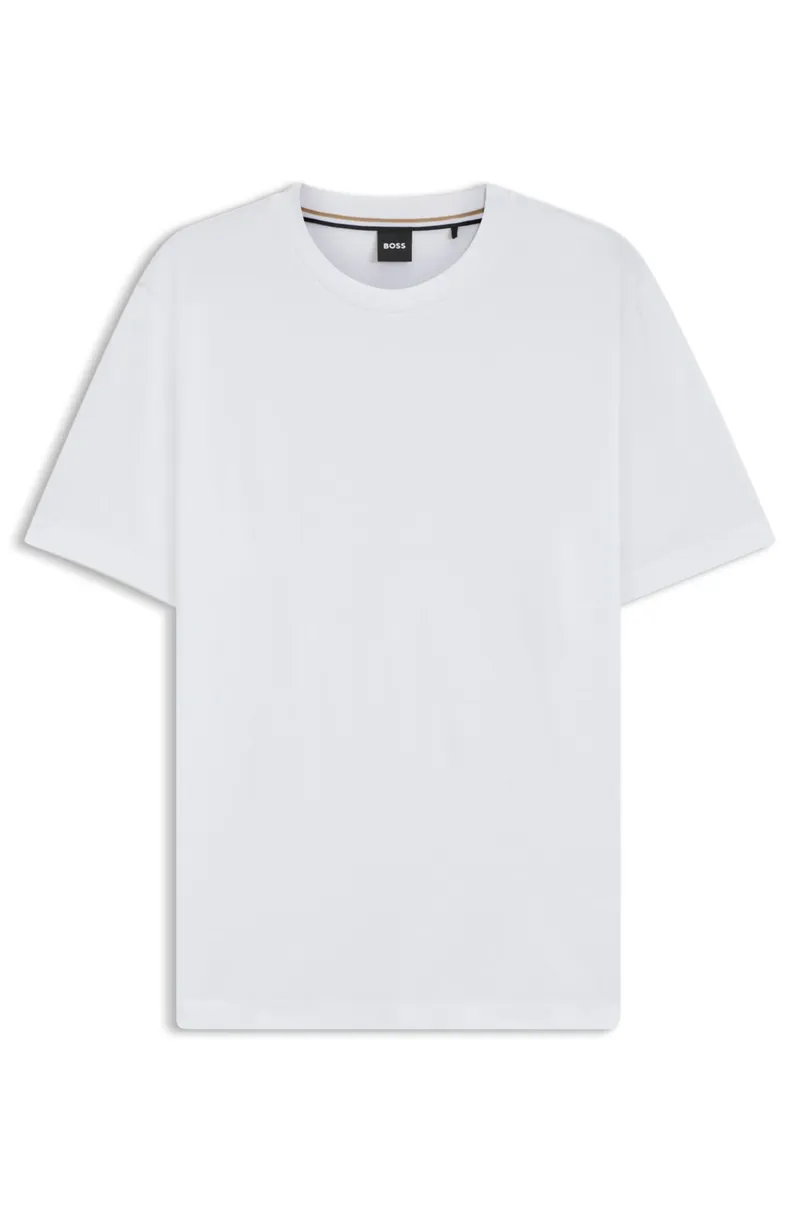
At $69 for a plain cotton tee, the label is a large part of what you pay for — reviewers note the price runs roughly double comparable basics for a marginal quality gain. It is a reasonable buy on markdown; at full price you are buying t…
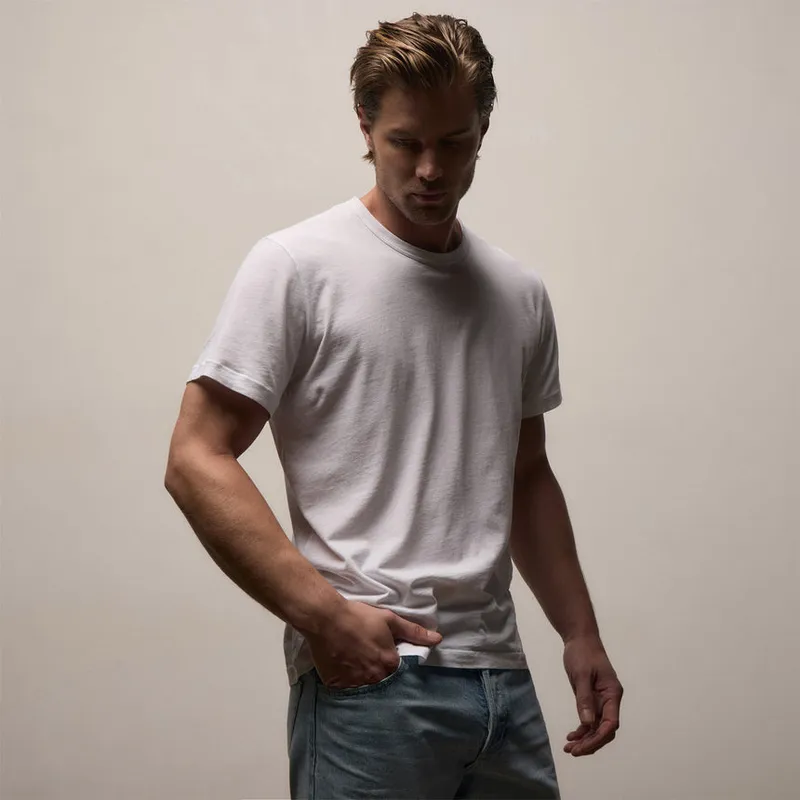
A luxury spend at $75, paid for hand-feel and drape rather than durability. Reviewers love the softness but note the fine fabric is delicate; the numbered sizing and price are the main hurdles.
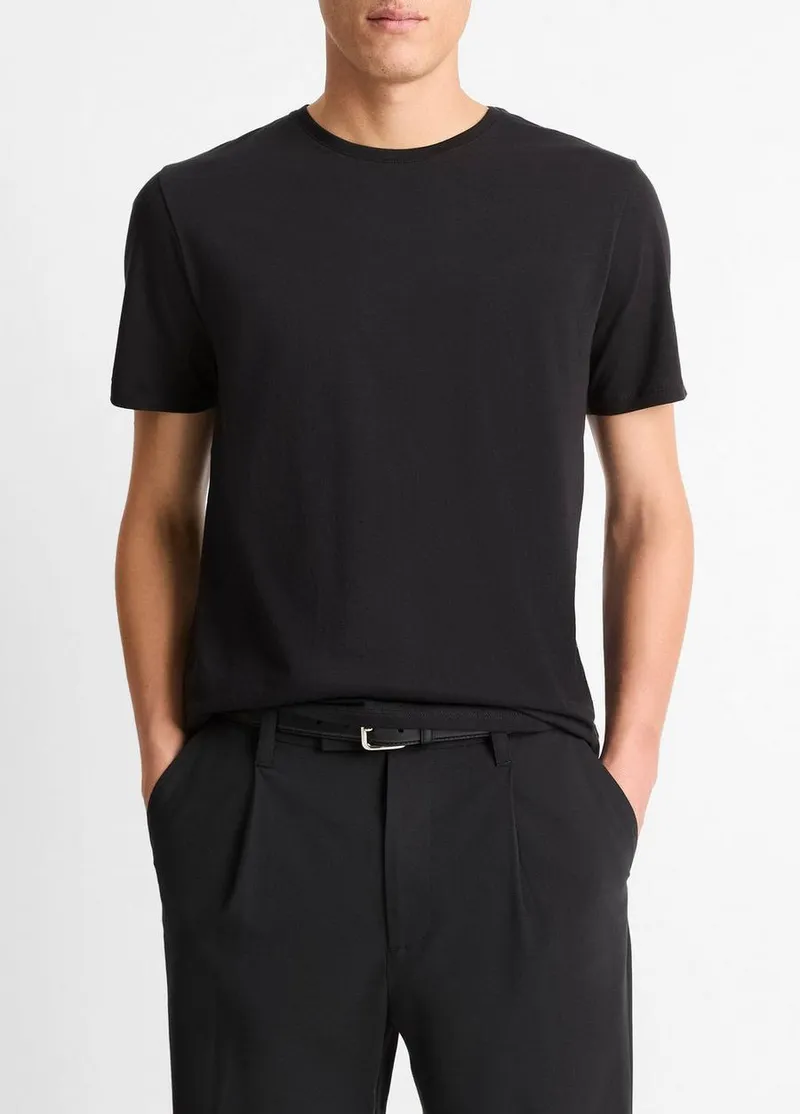
Around seventy-five dollars buys genuinely luxurious pima cotton and a refined drape, which is fair for the elevated positioning.
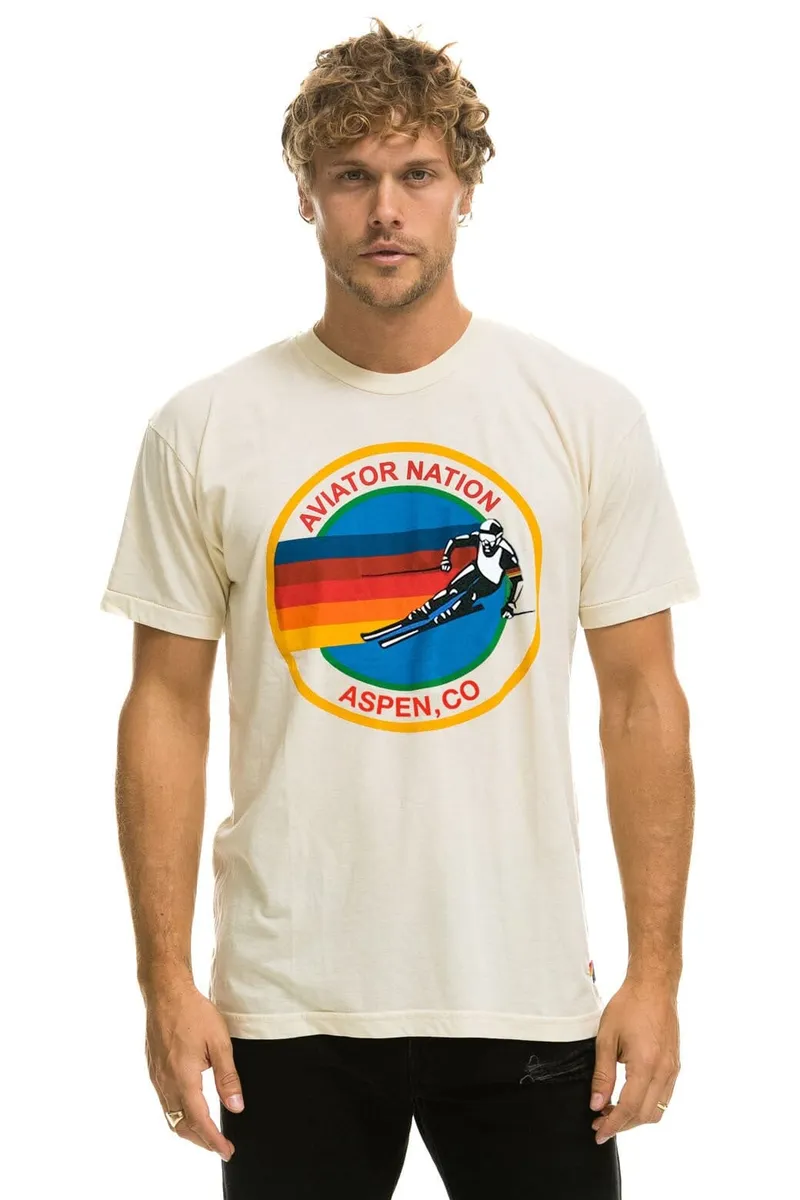
Around seventy-five dollars is high for a tee, but the soft fabric and hand-crafted California production reflect the premium.
$60-$95 for a printed heavyweight tee is high but not outrageous for the blank quality — the markup is the art. Resale at $90-$150 for a plain-ish smiley tee is pure scarcity tax. A comparable heavyweight boxy blank costs $40-$60 all day…
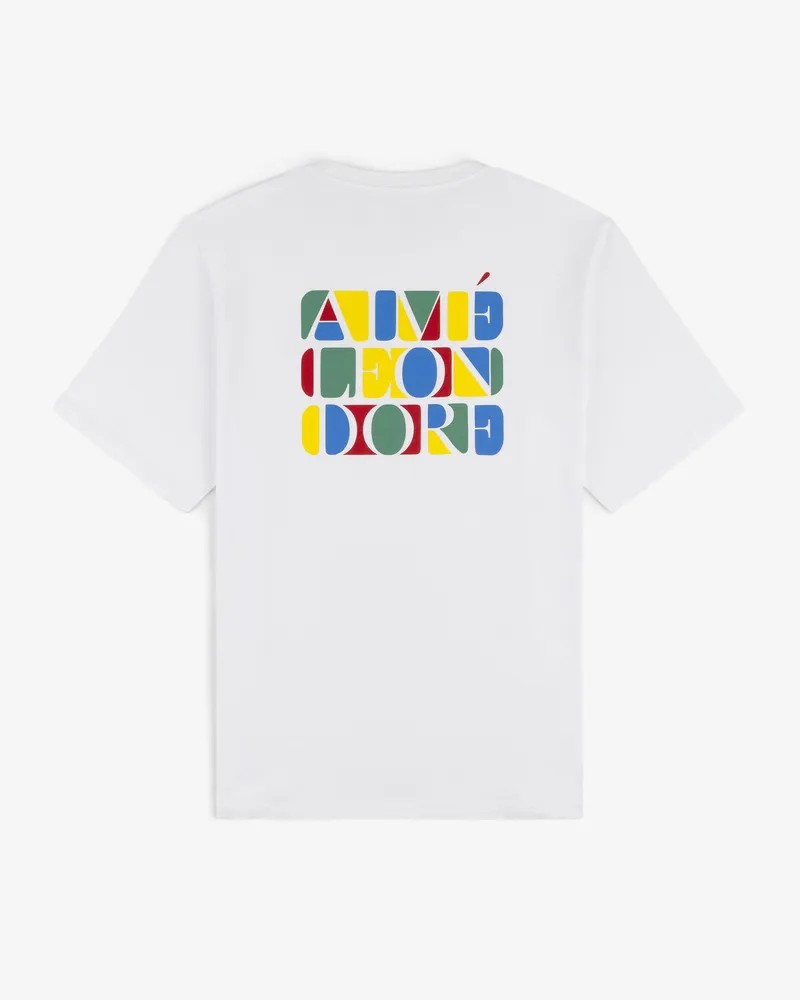
A high price at $80 driven by hype and scarcity. The garment-dyed cotton is genuinely heavy and well-made, but reviewers are clear you're paying a premium for the brand and limited drops.
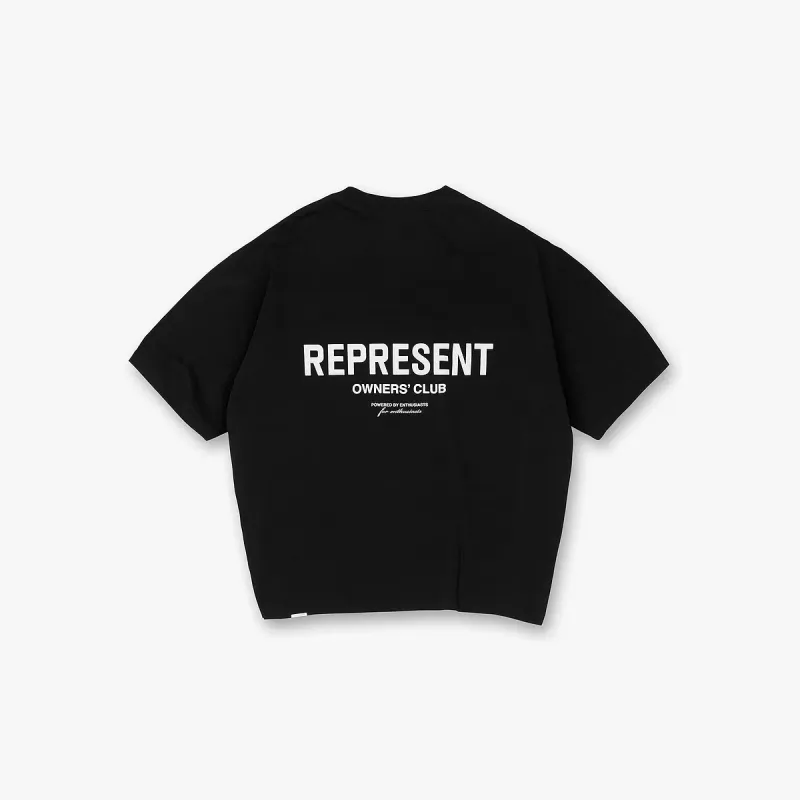
Around eighty dollars is premium for a tee, reflecting the heavier cotton, oversized cut, and brand positioning.
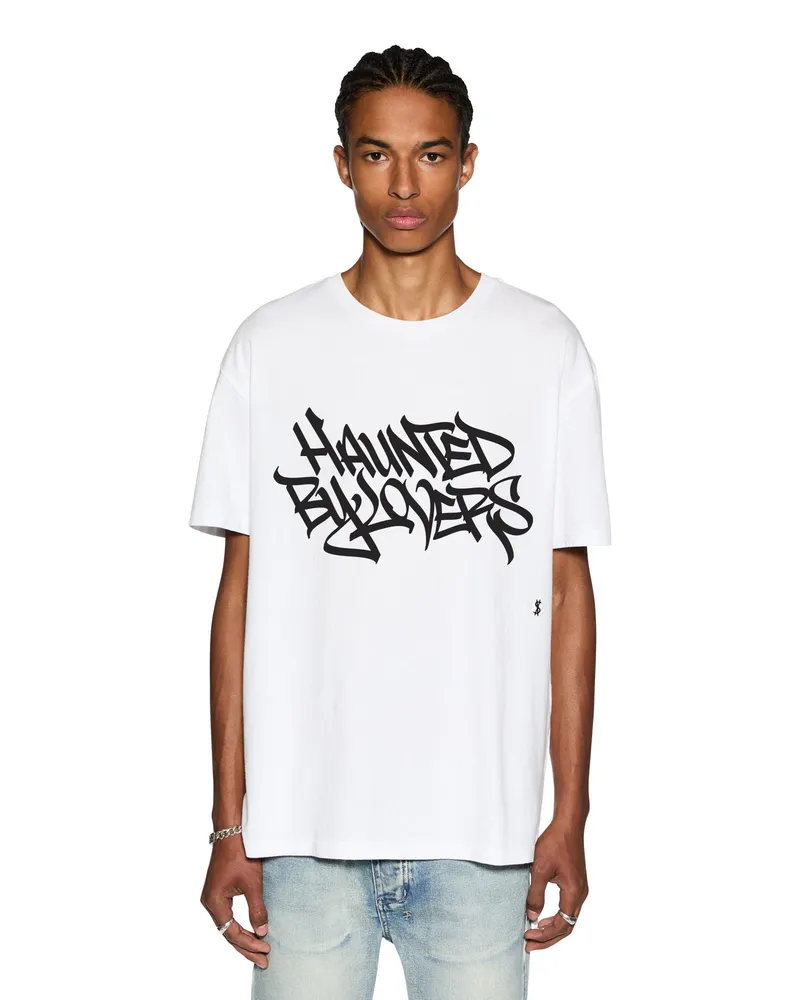
Around eighty-five dollars is premium for a tee, reflecting the quality cotton, bold graphics, and contemporary fashion positioning.
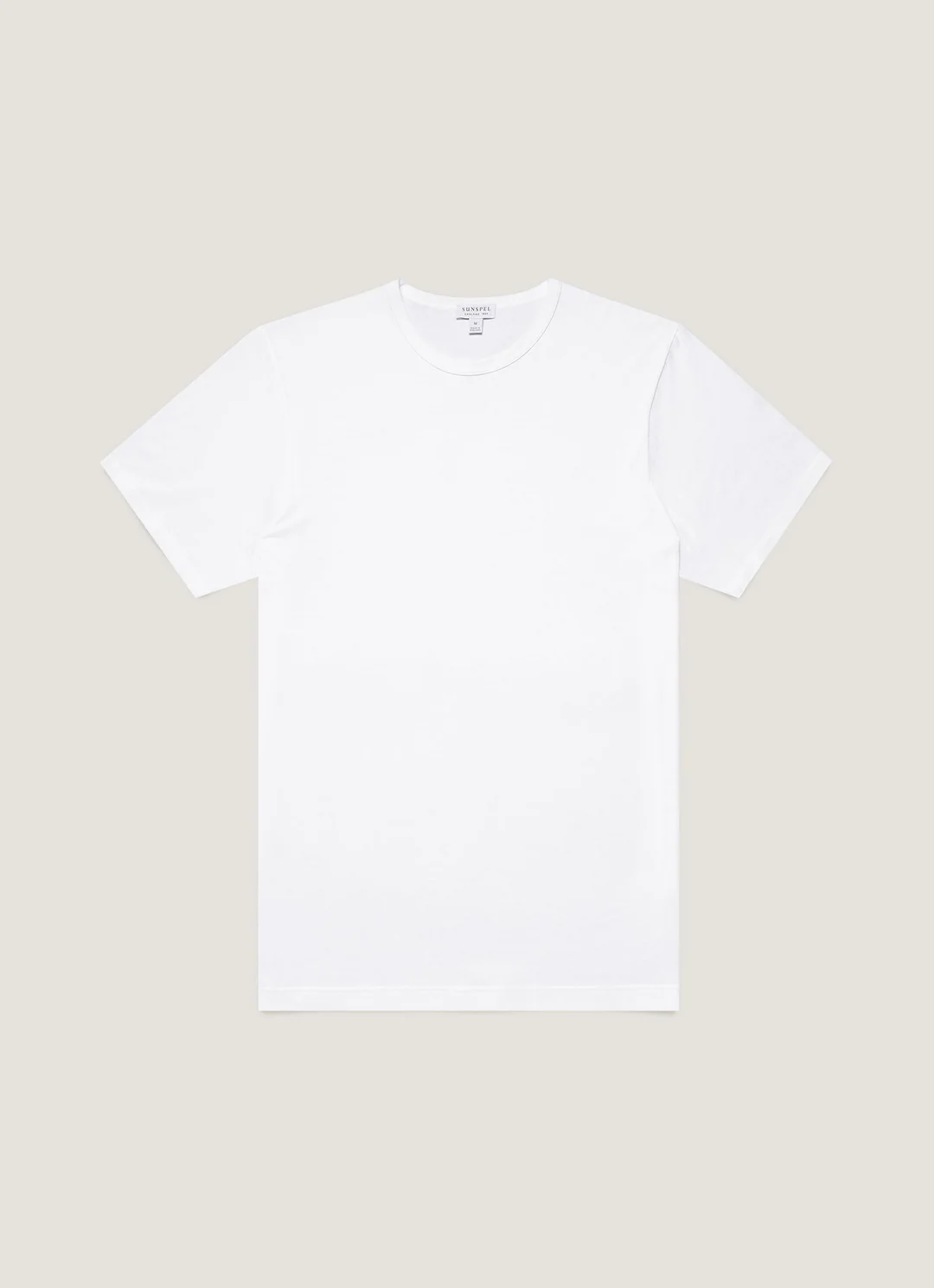
A true luxury spend at $90. The cotton hand is genuinely exceptional and the heritage is real, but reviewers are clear it's a feel-and-refinement purchase, not a durability one — and most won't justify it for a tee.
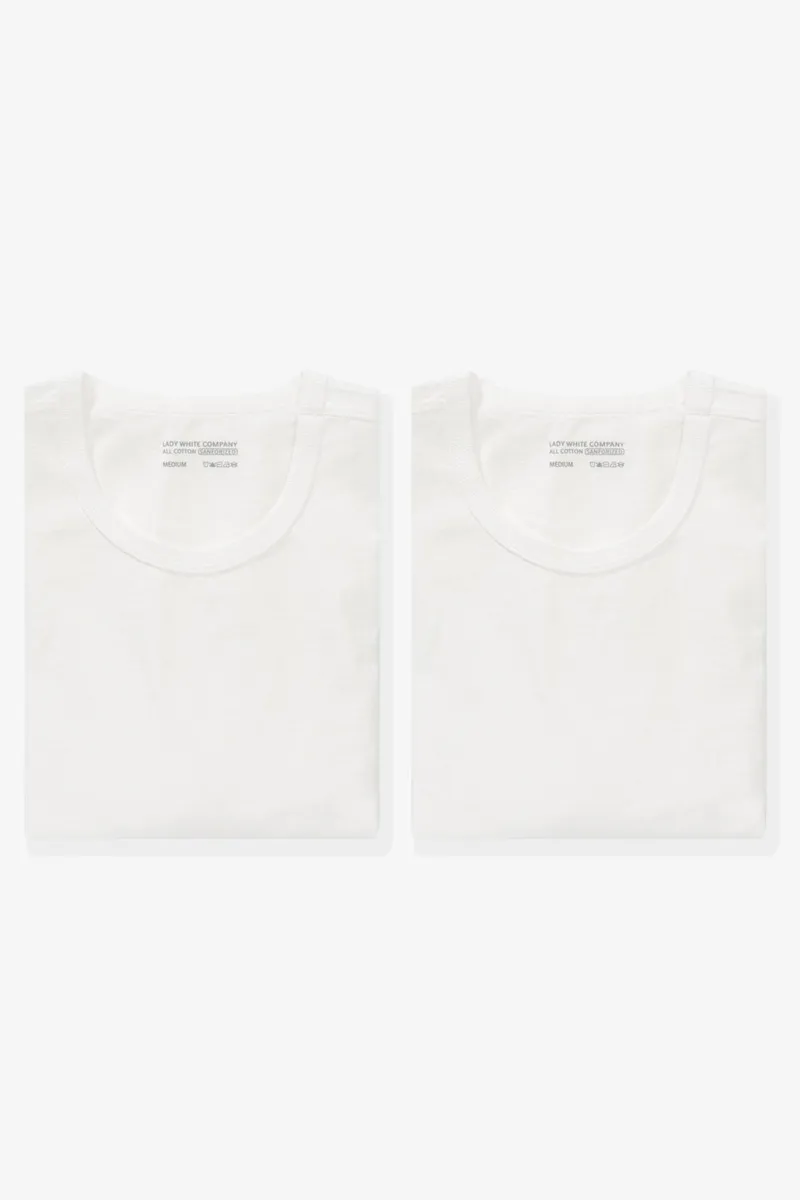
Premium, but reviewers consider it justified for made-in-USA quality. At around $90 a two-pack the per-tee cost is high; the structured cotton, durable collar, and clean cut earn steady praise.

Around ninety dollars is steep for a tee, but the heavyweight cotton, dye work, and finishing reflect the cost.
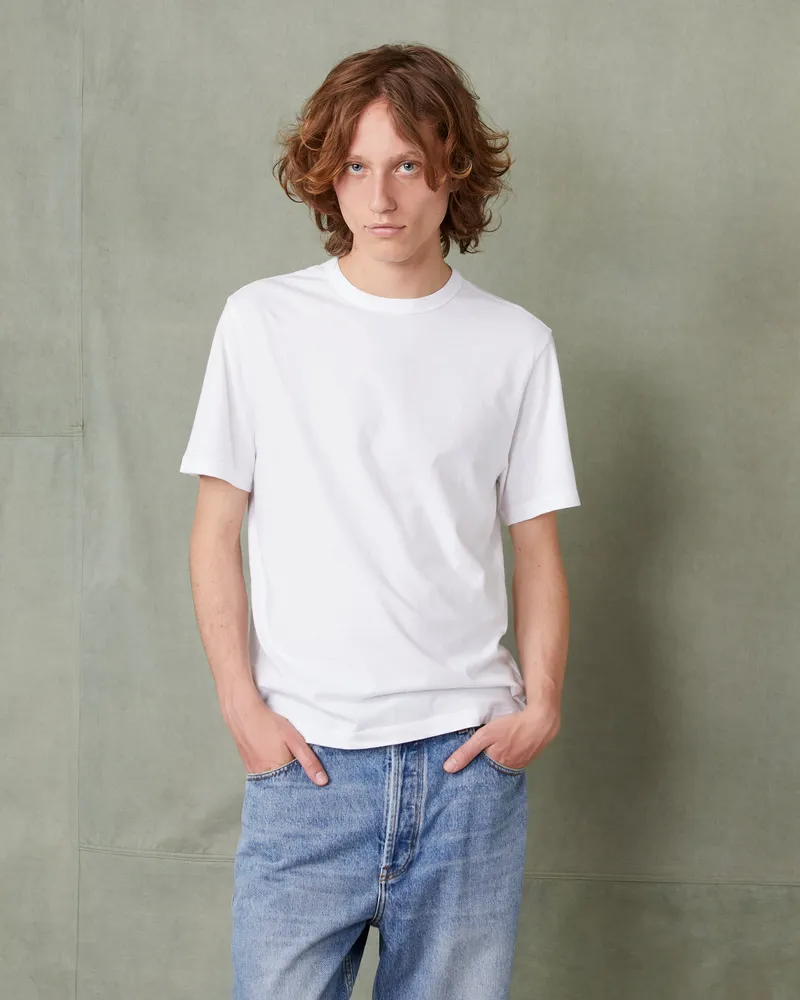
Around ninety dollars is high for a tee, but the fabric sourcing and finishing reflect the elevated positioning.
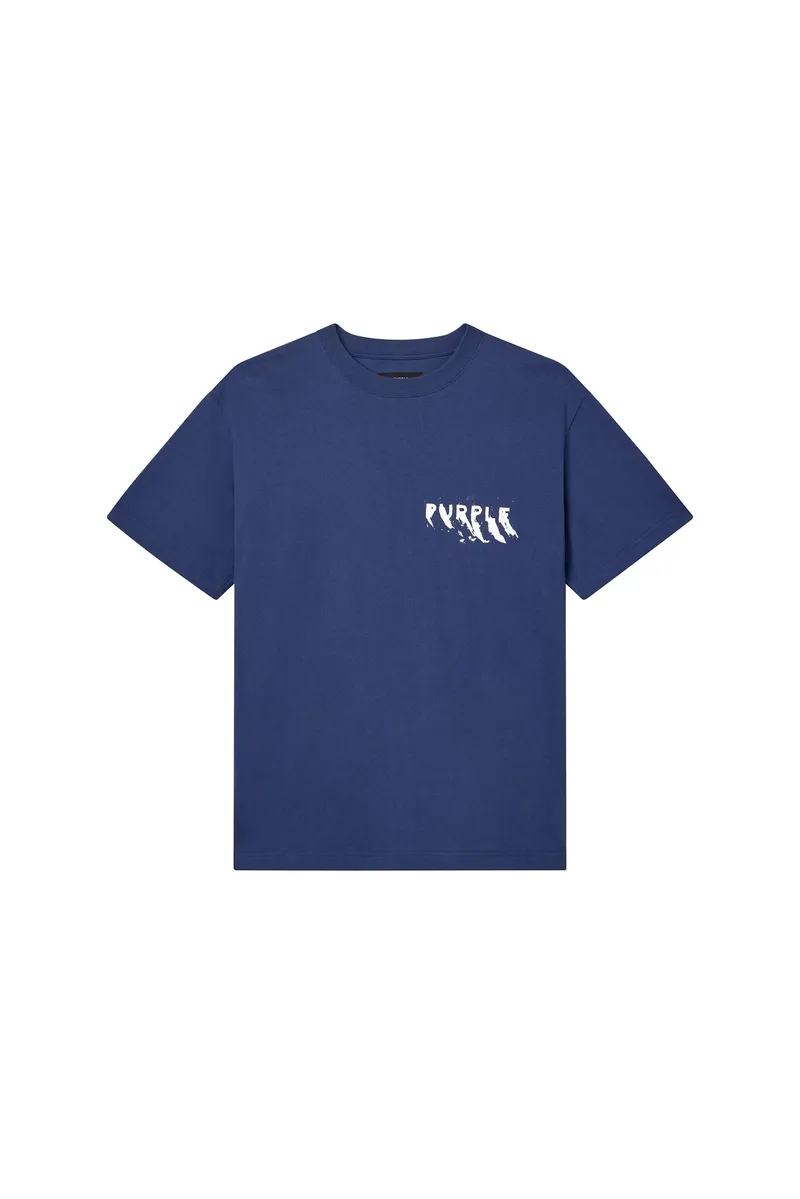
Around ninety dollars is premium for a tee, reflecting the quality cotton, bold graphics, and contemporary luxury positioning.
Luxury
· $95+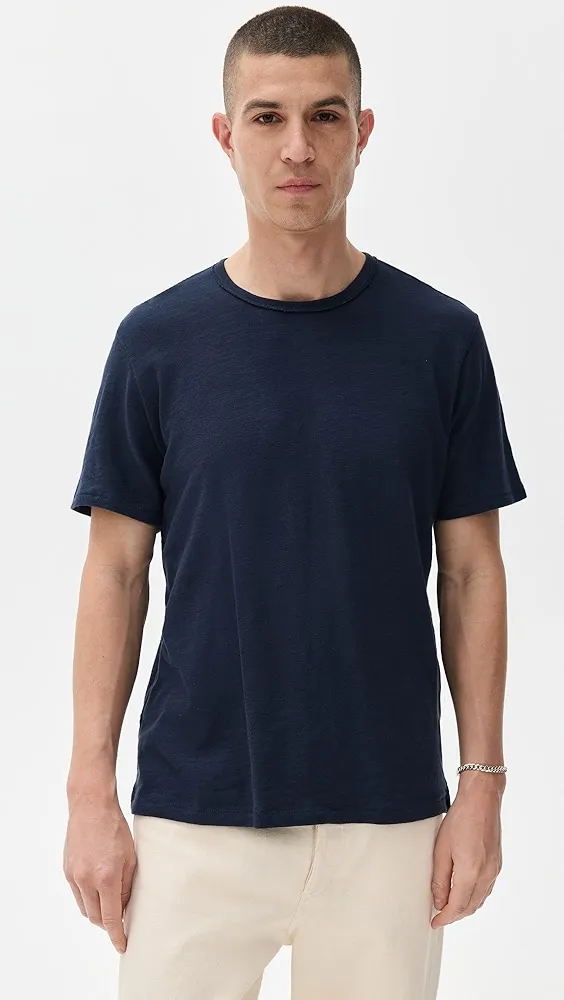
A luxury price at $95, paid for design and a textured fabric. Reviewers like the elevated cut and slub texture but note you're paying for the brand's positioning as much as the cotton.
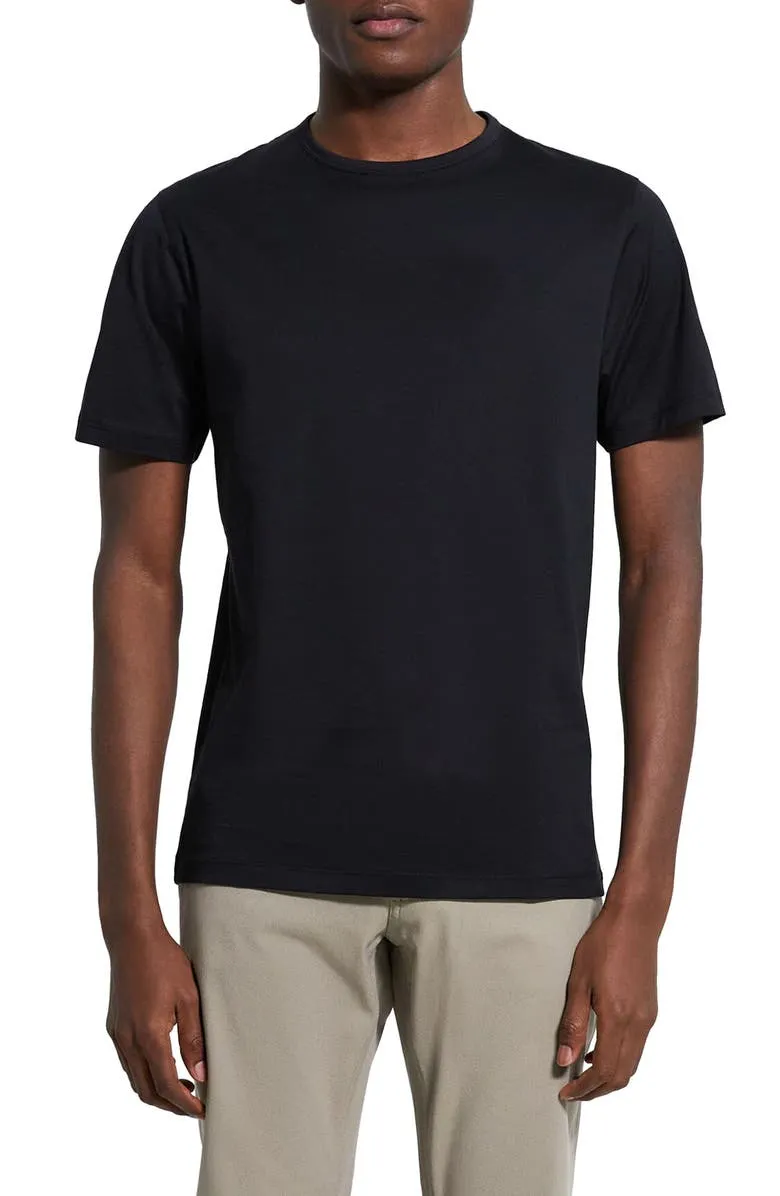
A luxury spend at $95, paid for refinement and a polished cut. Reviewers value the smooth pima and dress-adjacent look but note the slim fit and price make it a specific, not universal, buy.
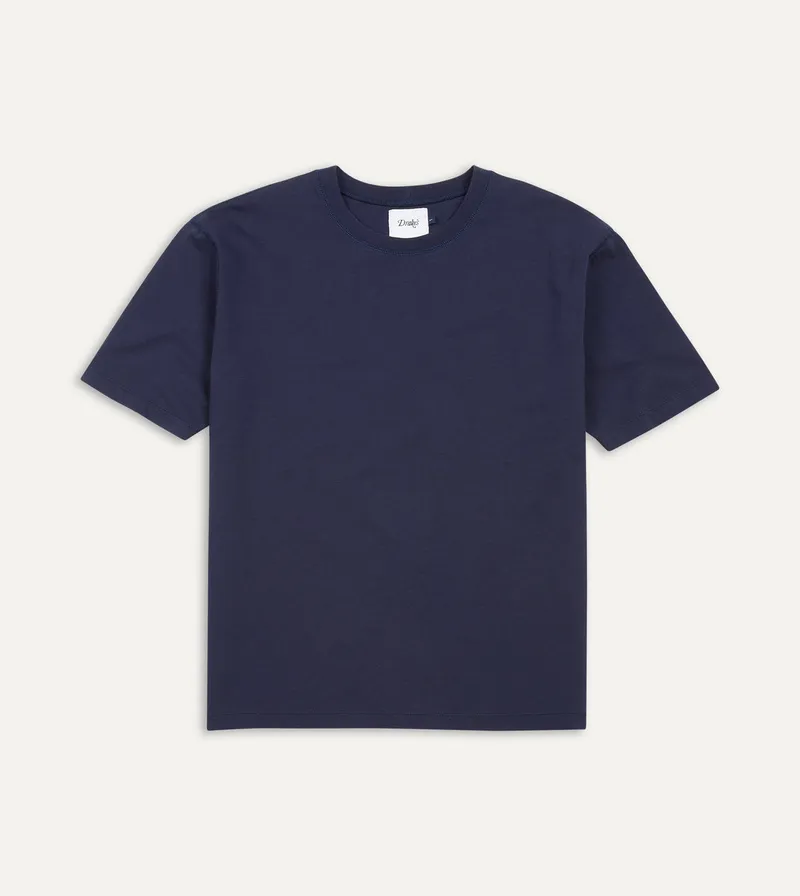
Around ninety-five dollars is premium for a tee, but the heavier cotton and structured construction reflect the cost.
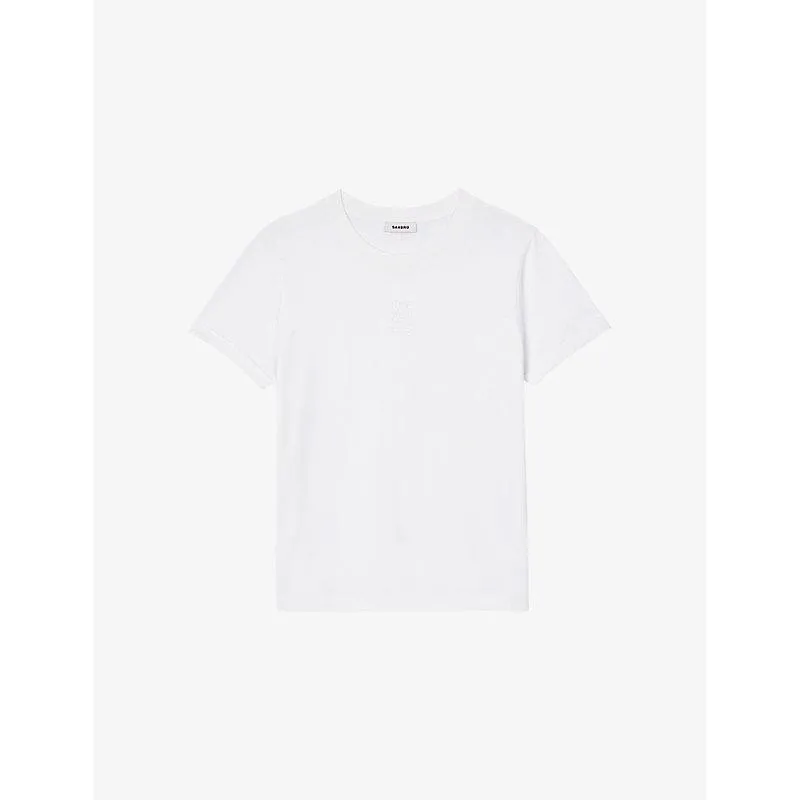
Around ninety-five dollars is high for a tee, but the fabric, fit, and contemporary-designer positioning reflect the price.
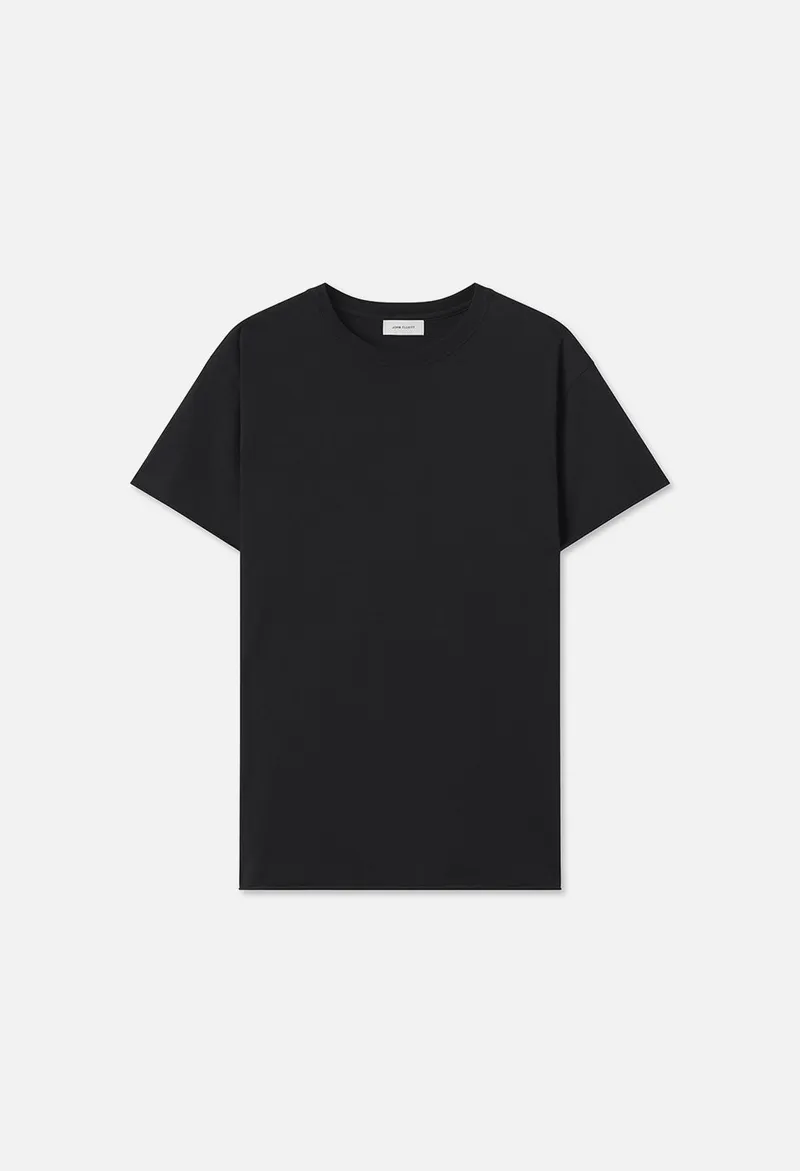
Around ninety-eight dollars is high, but the premium cotton, considered cut, and brand cachet support the price.
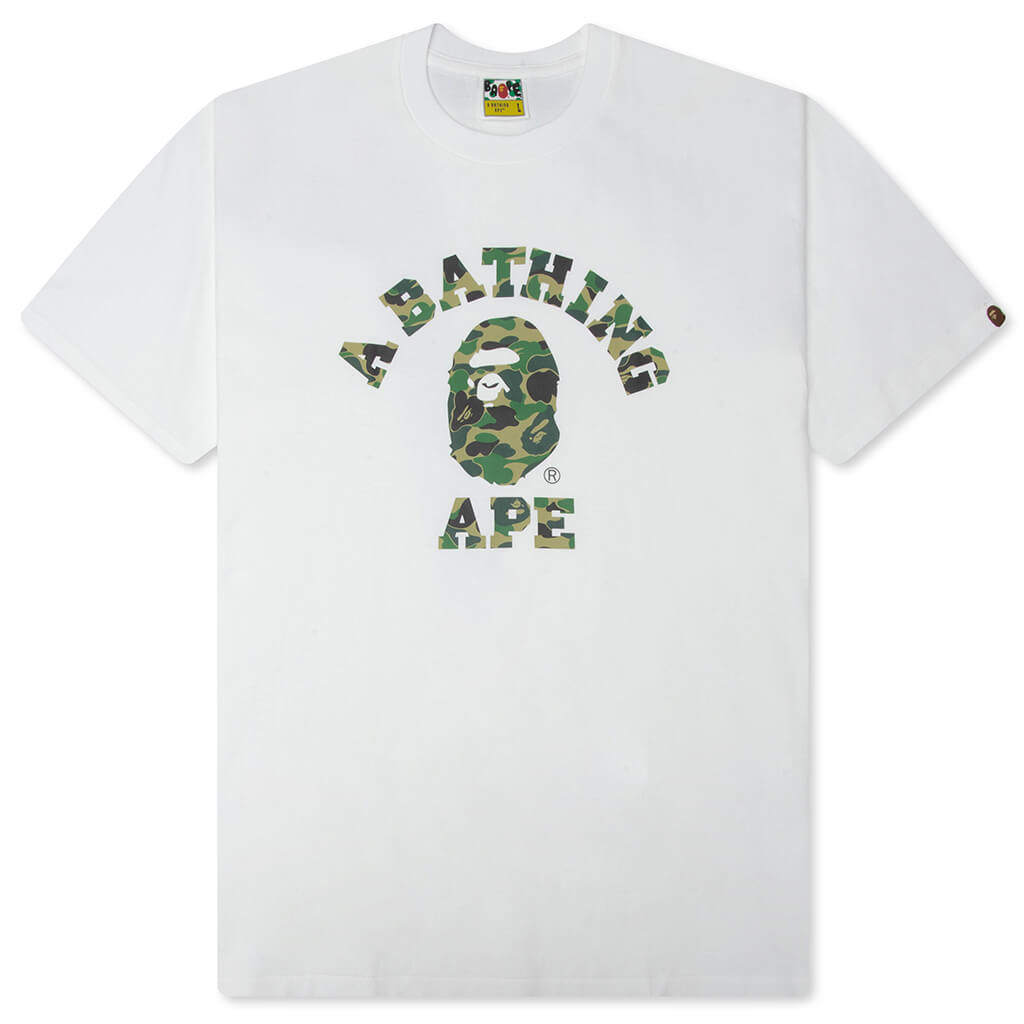
You're paying about $100 over a comparable heavyweight blank for the ABC camo print. The cotton and stitching are fine, not remarkable — this is graphic-and-name pricing, plain and simple. A $45–$90 streetwear or heavyweight tee gets you…
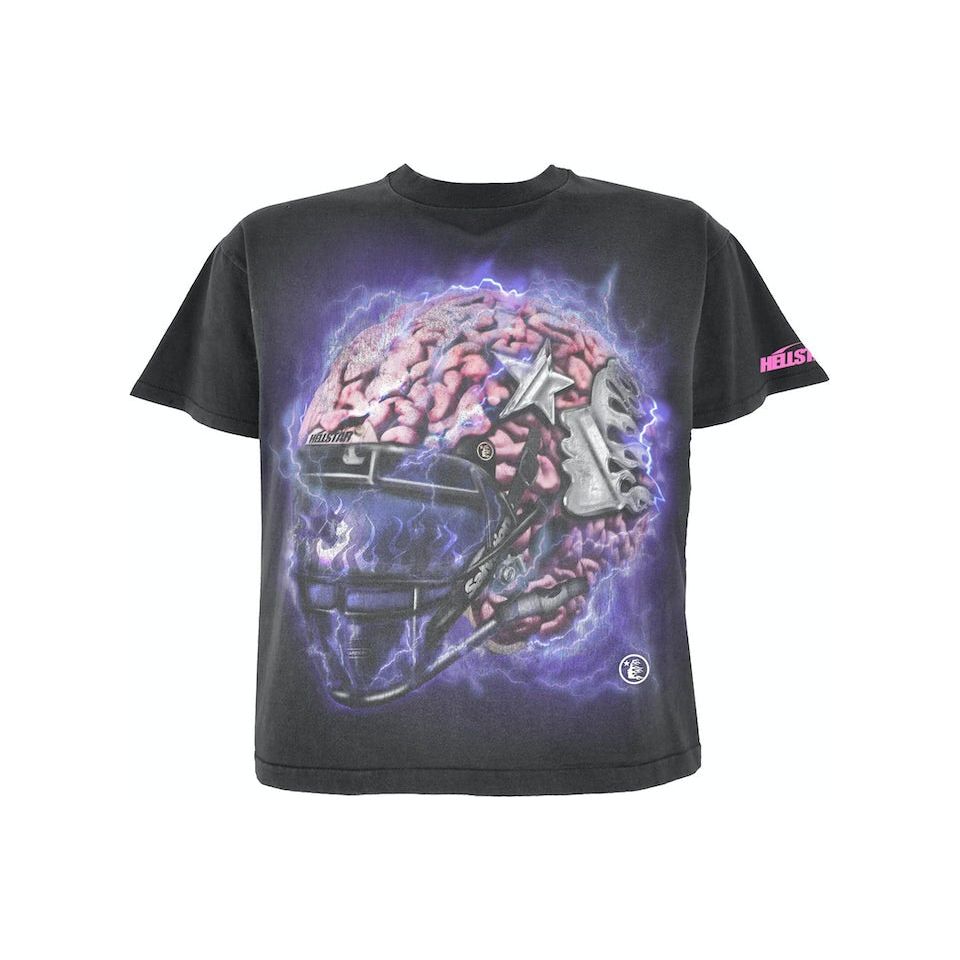
$120-$160 for a printed cotton tee is graphic-and-hype pricing, plain and simple. The blank itself is a heavyweight cotton tee that plenty of brands sell for $40-$60. You're paying for the artwork and the logo. Worth it only if that spec…
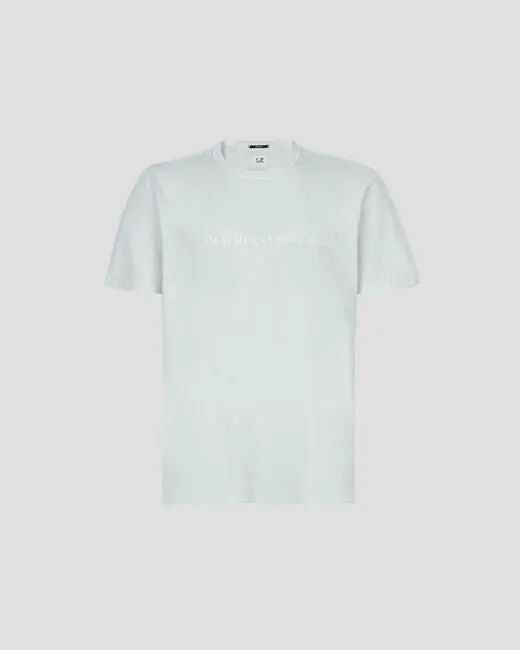
Around one hundred fifty dollars is premium for a tee, justified by the garment dyeing, fabric, and design heritage.
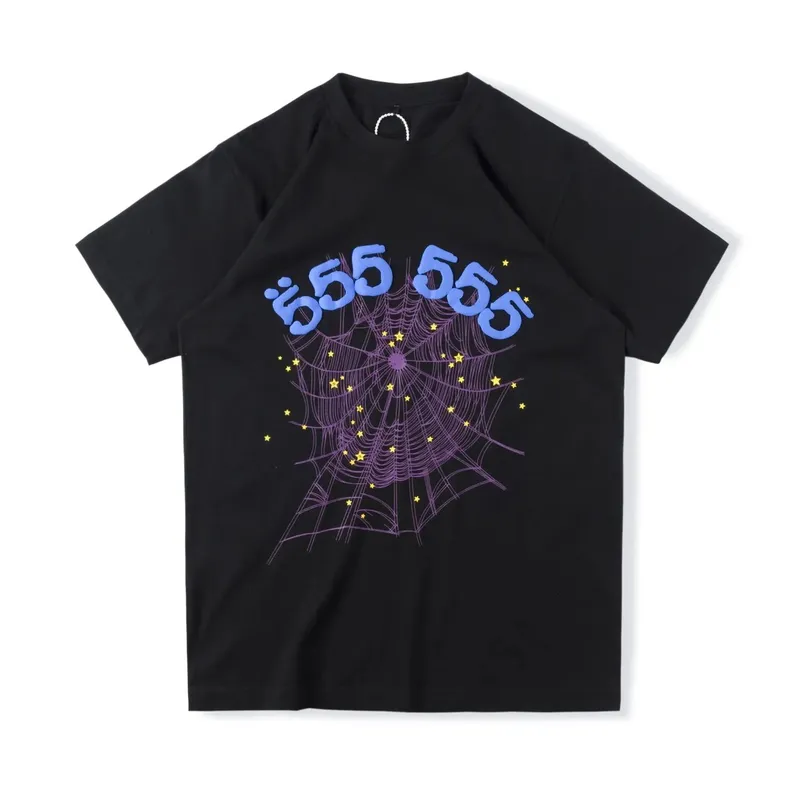
$150 for a printed cotton tee is a branding premium, plain and simple: a comparable blank runs $10-$30, and even good heavyweight tees top out around $60. You're paying for the graphic and the name. Worth it only if that specific Sp5der…
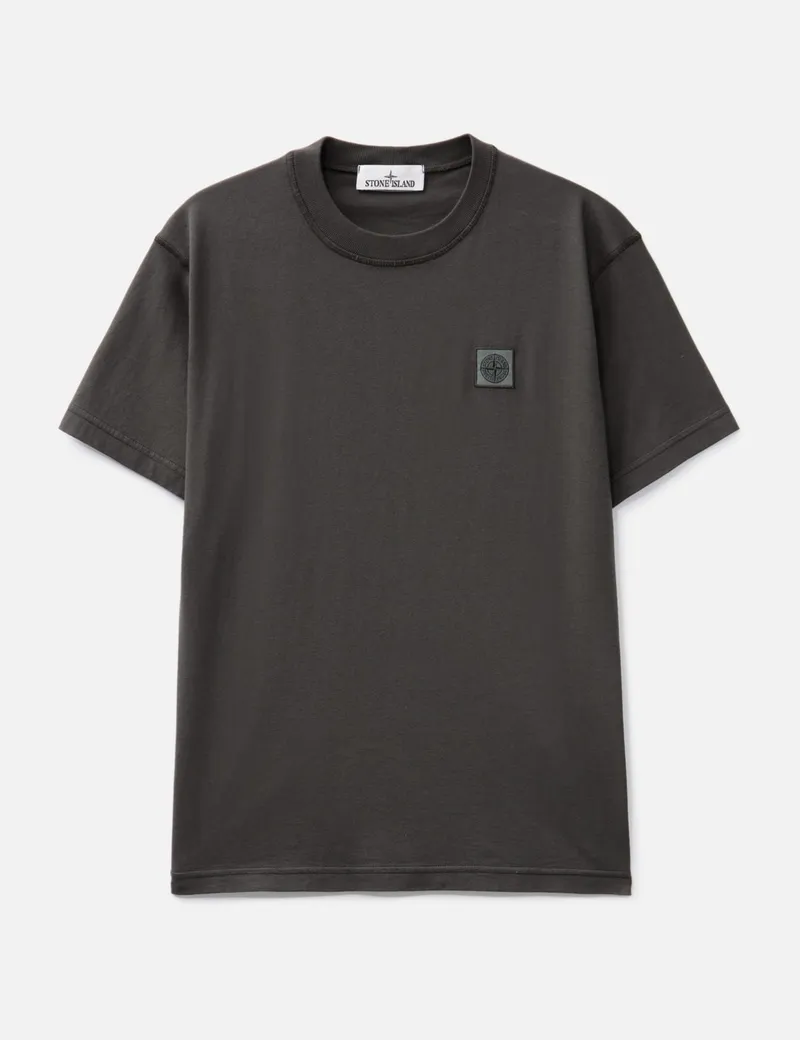
Around one hundred sixty-five dollars is steep for a tee, but the garment dyeing, fabric, and brand status reflect the price.
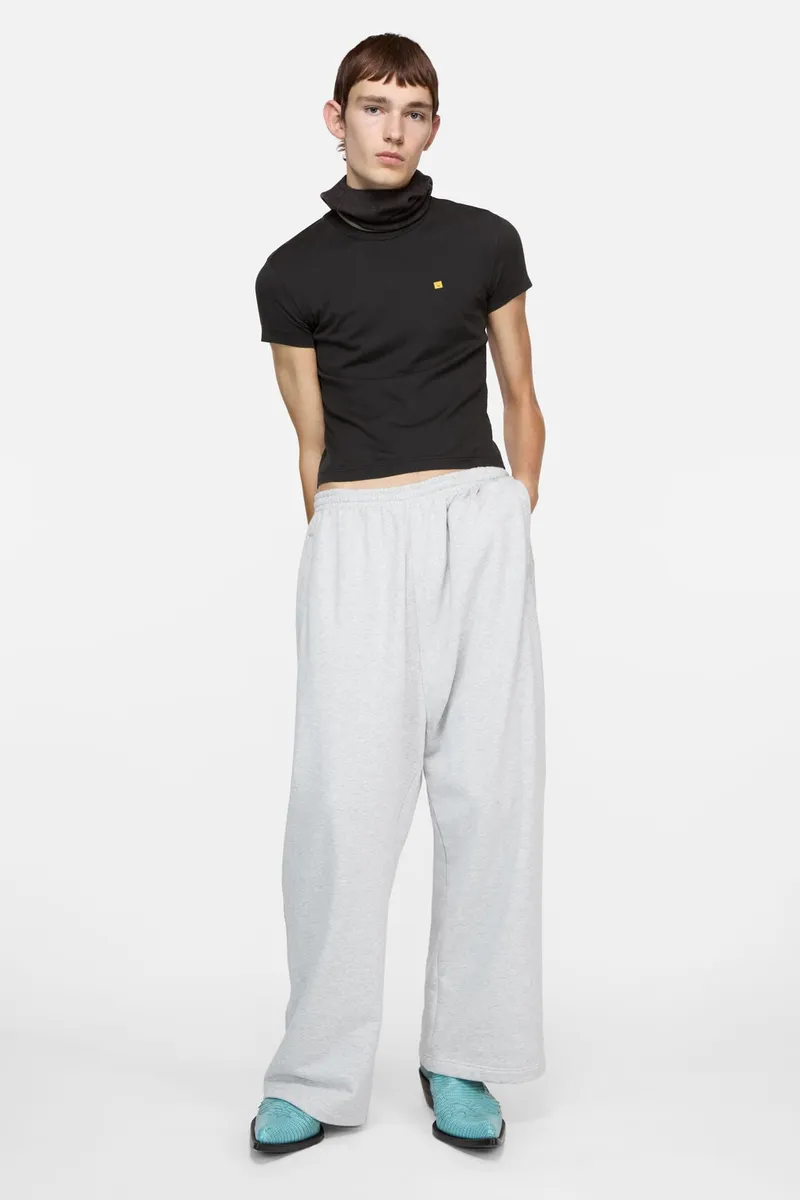
A designer price at $180 driven heavily by the brand and Face patch. The cotton is substantial and well-cut, but reviewers are clear you're paying for the label and aesthetic, not a fabric breakthrough.
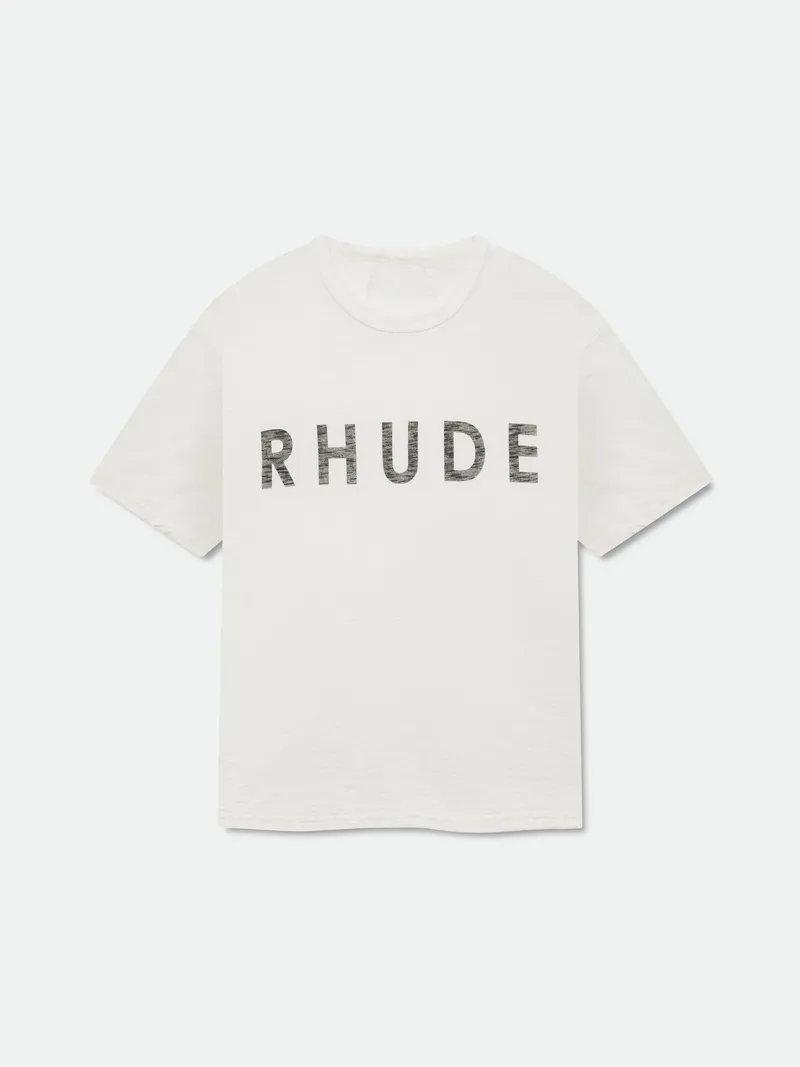
Around one hundred ninety dollars is firmly luxury territory, reflecting the premium fabric, detailed graphics, and designer status.
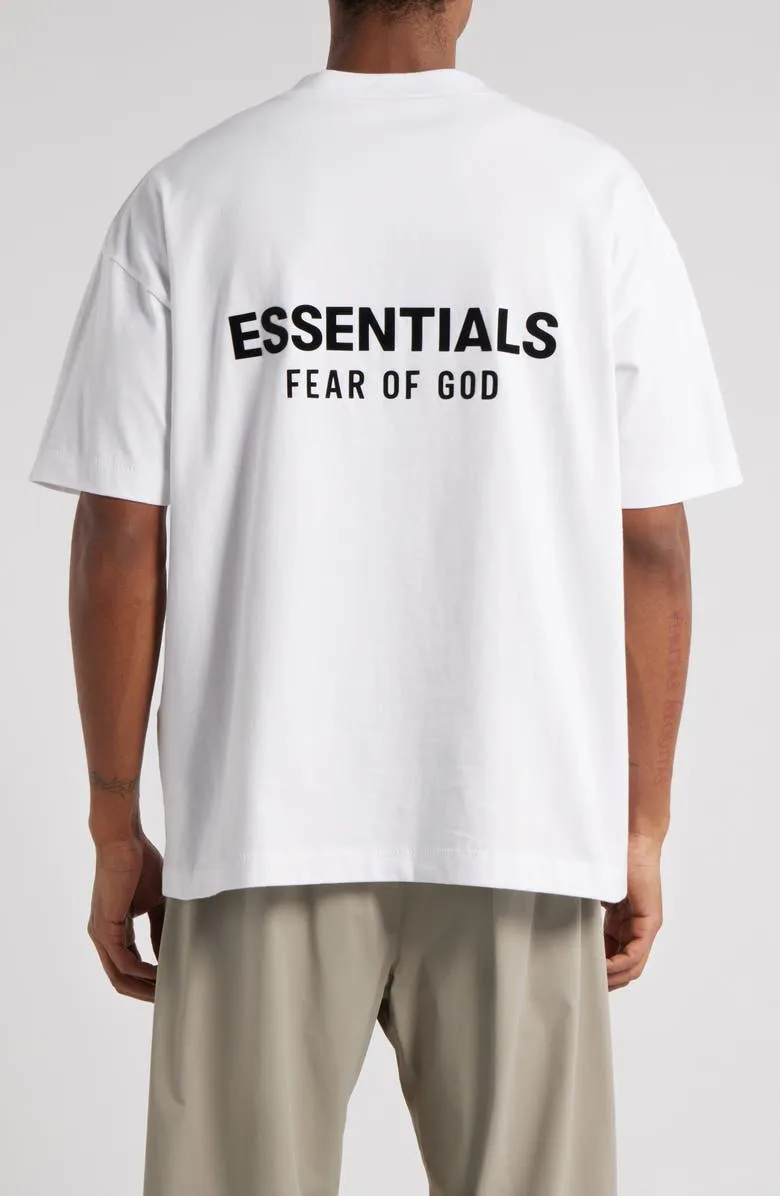
Around two hundred twenty dollars is a true luxury price, reflecting the heavyweight premium cotton and the brand's high-fashion standing.
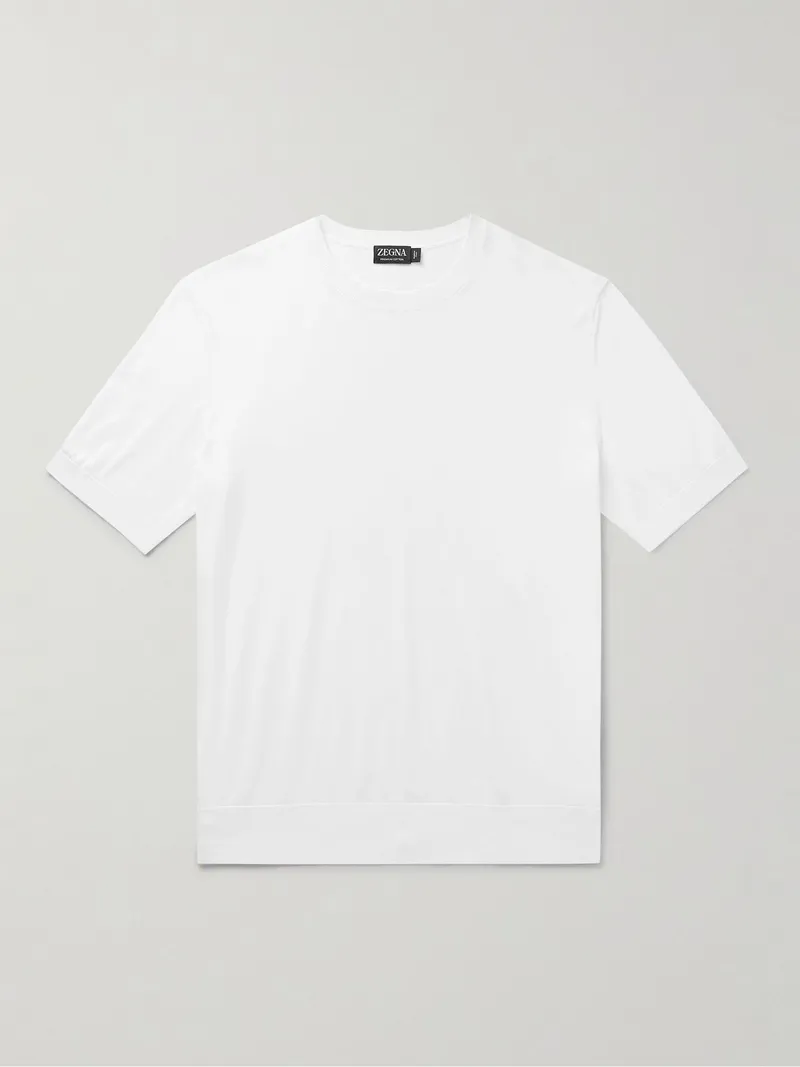
Around two hundred ninety dollars reflects exceptional fabric and finishing, though it sits firmly in luxury-indulgence territory.
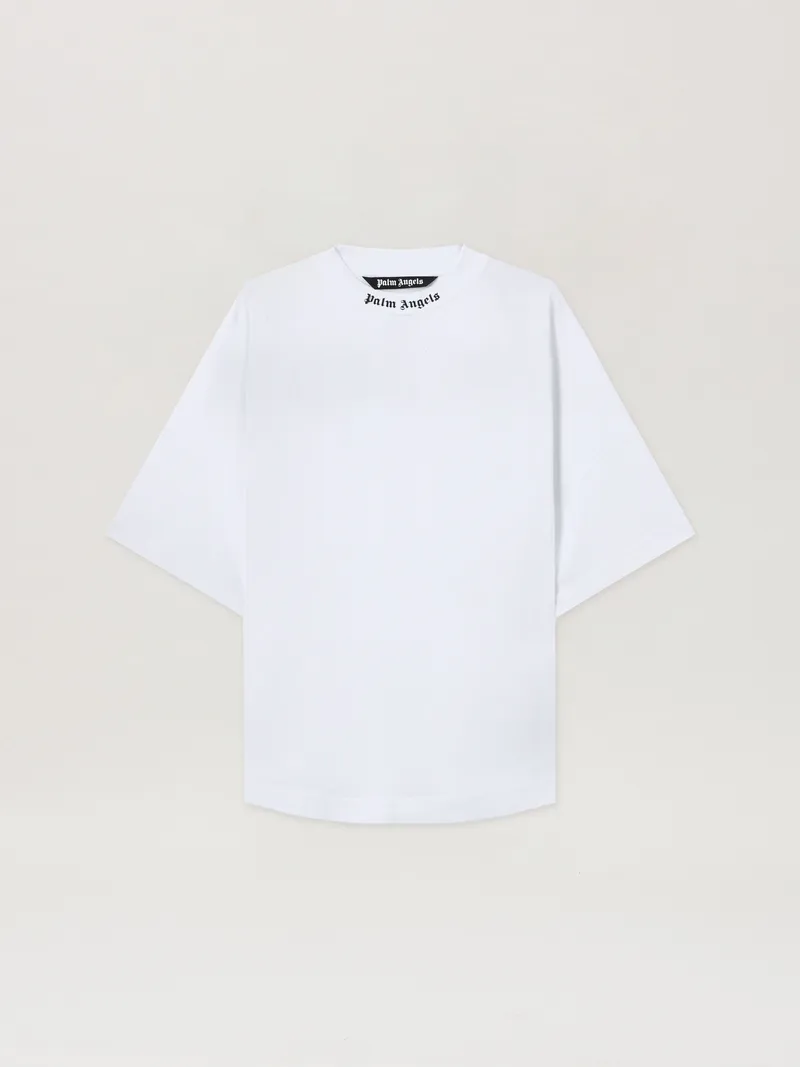
Around two hundred ninety dollars is firmly luxury, reflecting the premium fabric, graphics, and designer-streetwear positioning.
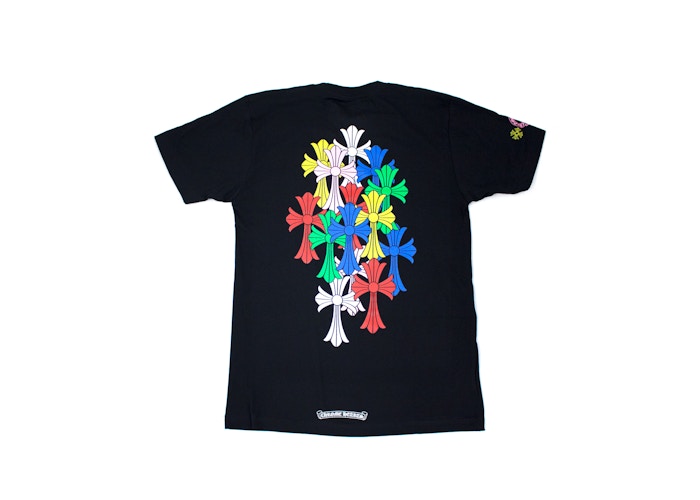
There's no material justification for a $300 cotton tee — this is graphic-and-scarcity pricing, full stop. A $45-$80 heavyweight blank with a similar gothic-cross print gets you most of the look; what's left is the specific Chrome Hearts…
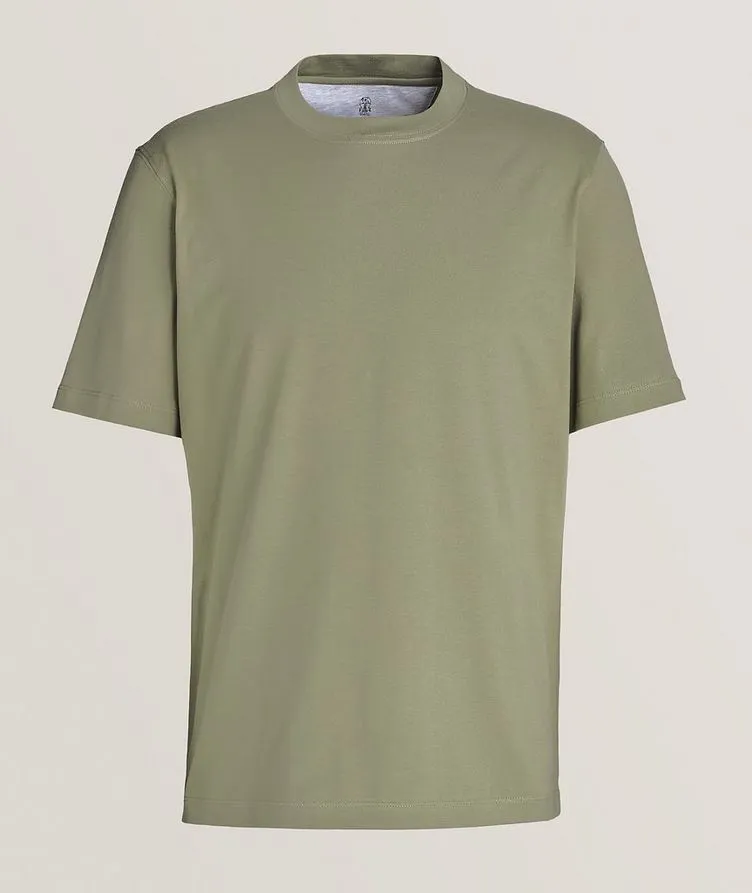
An extraordinary price at $350, paid for genuinely exceptional fabric, hand-finishing, and quiet-luxury cachet. Reviewers acknowledge the quality is real but the spend is firmly a luxury indulgence.
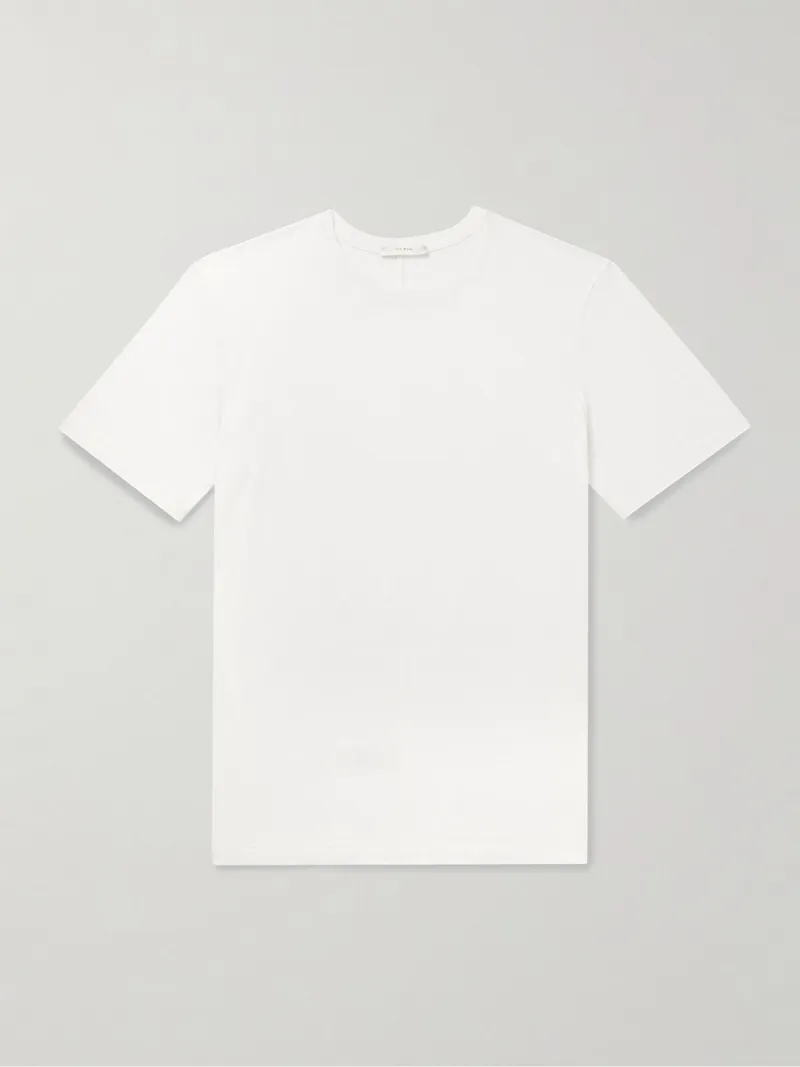
Around three hundred fifty dollars reflects premium fabric and exacting construction, positioned squarely in quiet-luxury territory.
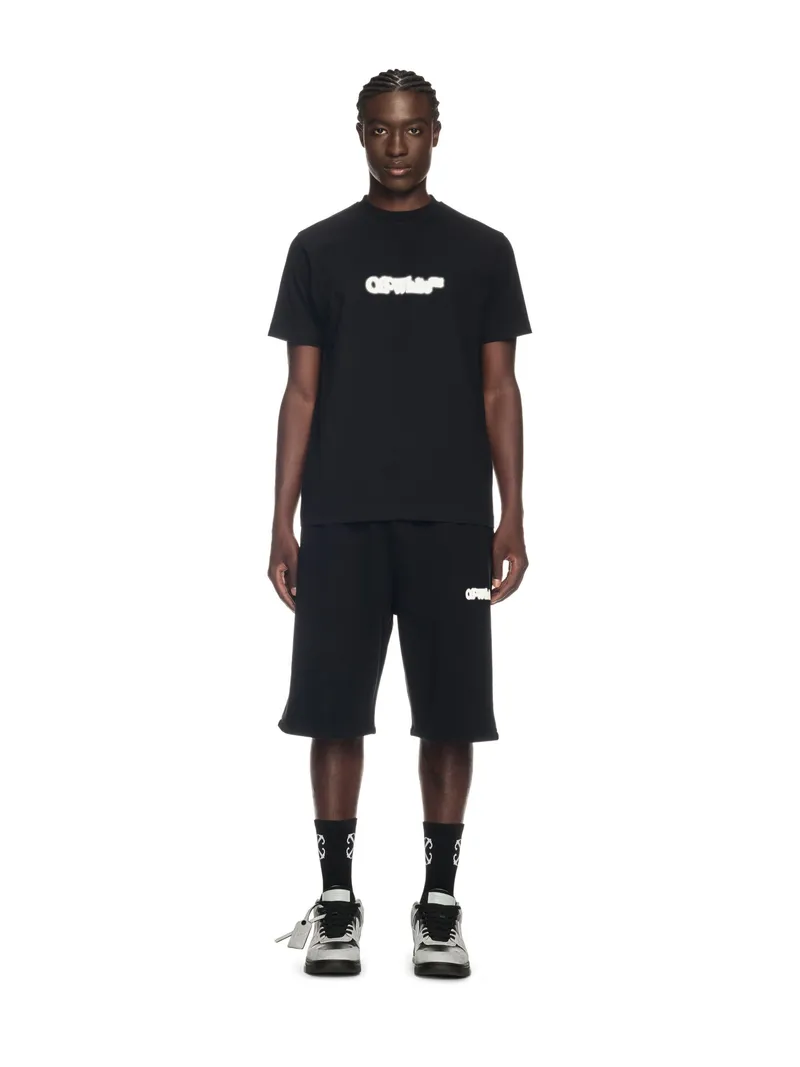
Around three hundred fifty dollars is a high luxury price, reflecting the premium fabric, distinctive graphics, and the brand's fashion influence.
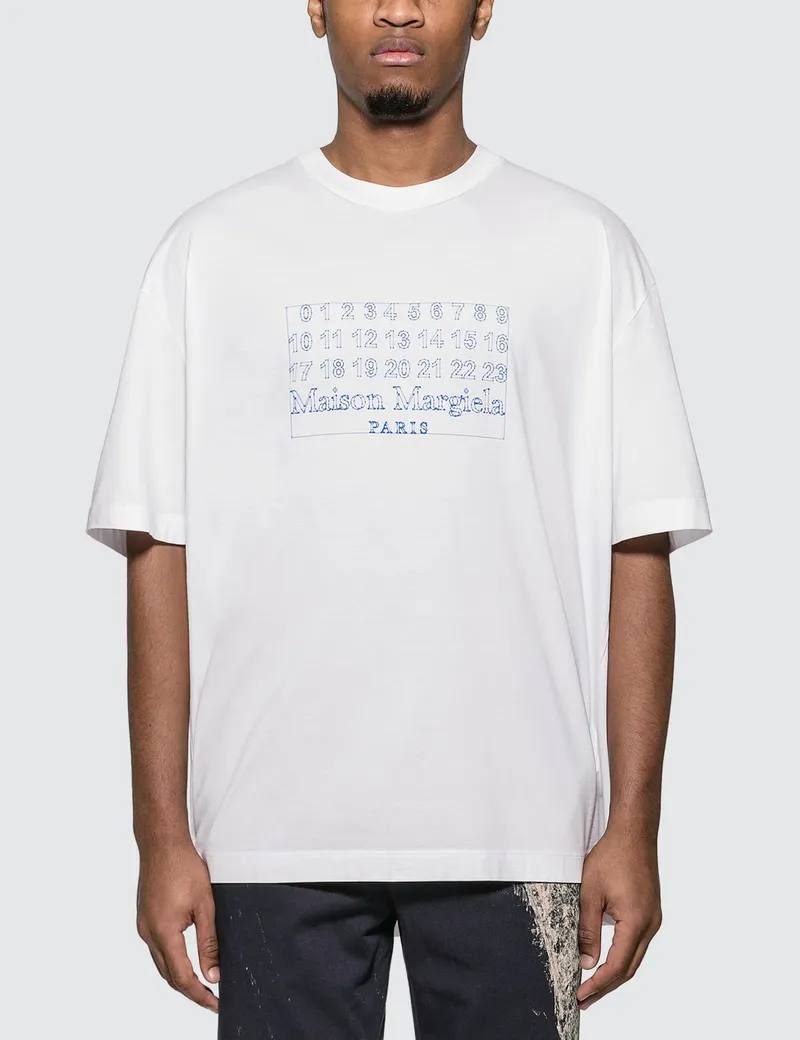
Around three hundred fifty dollars is a high luxury price, reflecting the house's conceptual standing, premium fabric, and refined detailing.
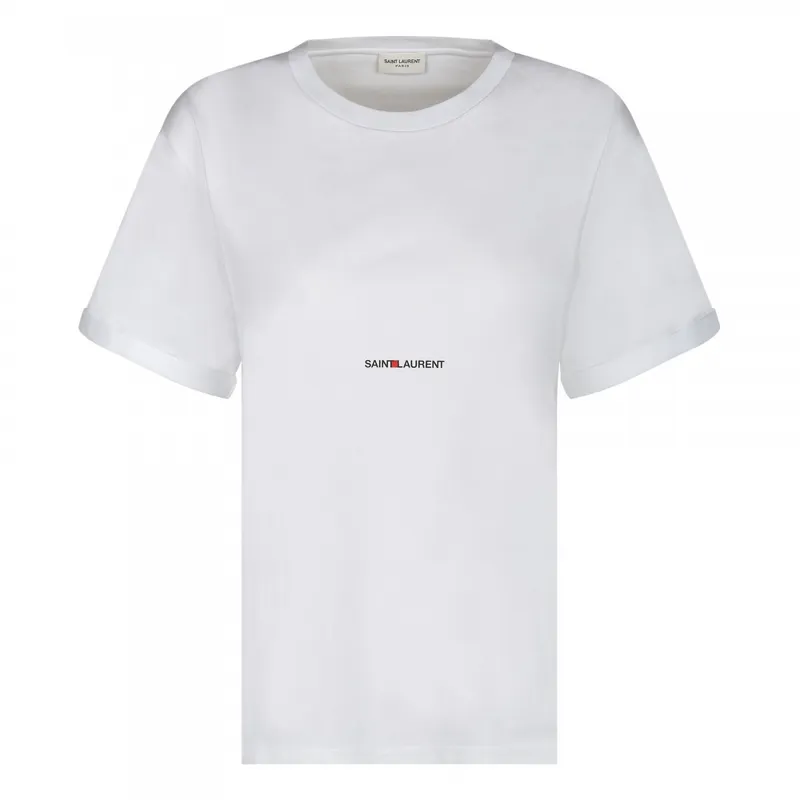
A designer price at $390 paid overwhelmingly for the name and aesthetic. Reviewers note the worn-in hand and slim cut are part of the look, but the spend is a pure luxury-brand statement, not value.
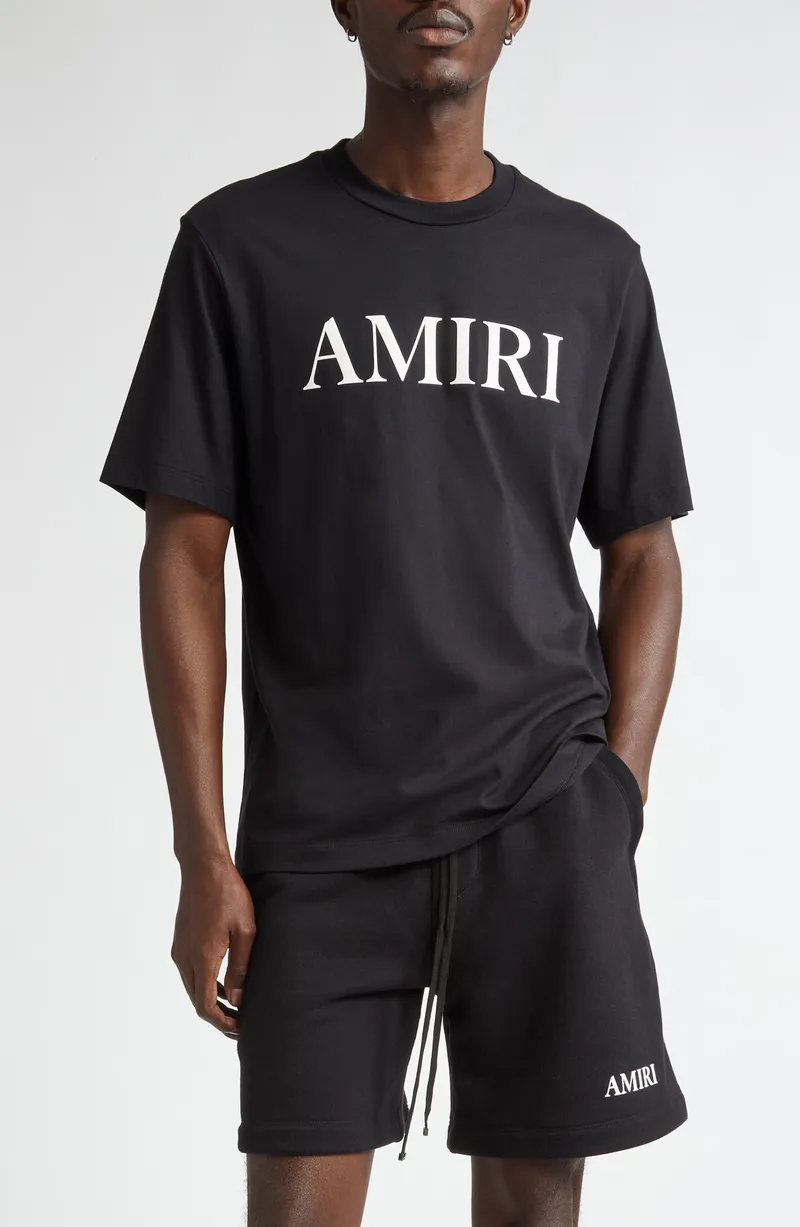
Around three hundred ninety dollars is firmly luxury, reflecting the premium fabric, refined graphics, and the brand's designer standing.
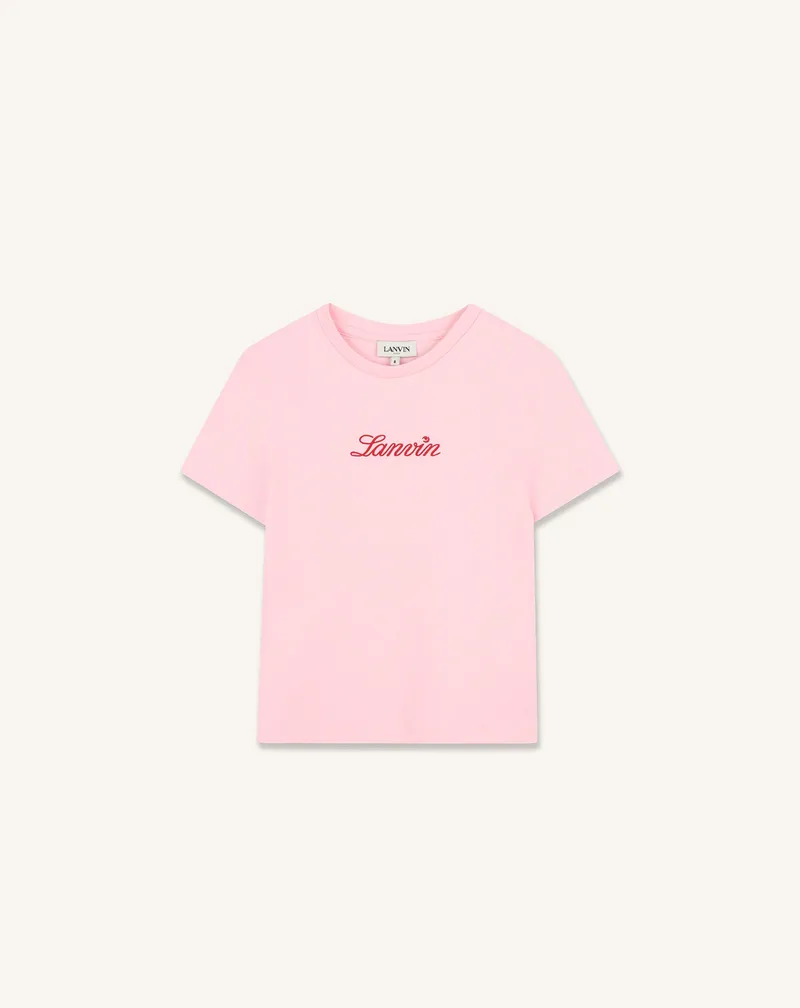
Around three hundred ninety dollars is a high luxury price, reflecting the house's heritage, premium fabric, and refined construction.
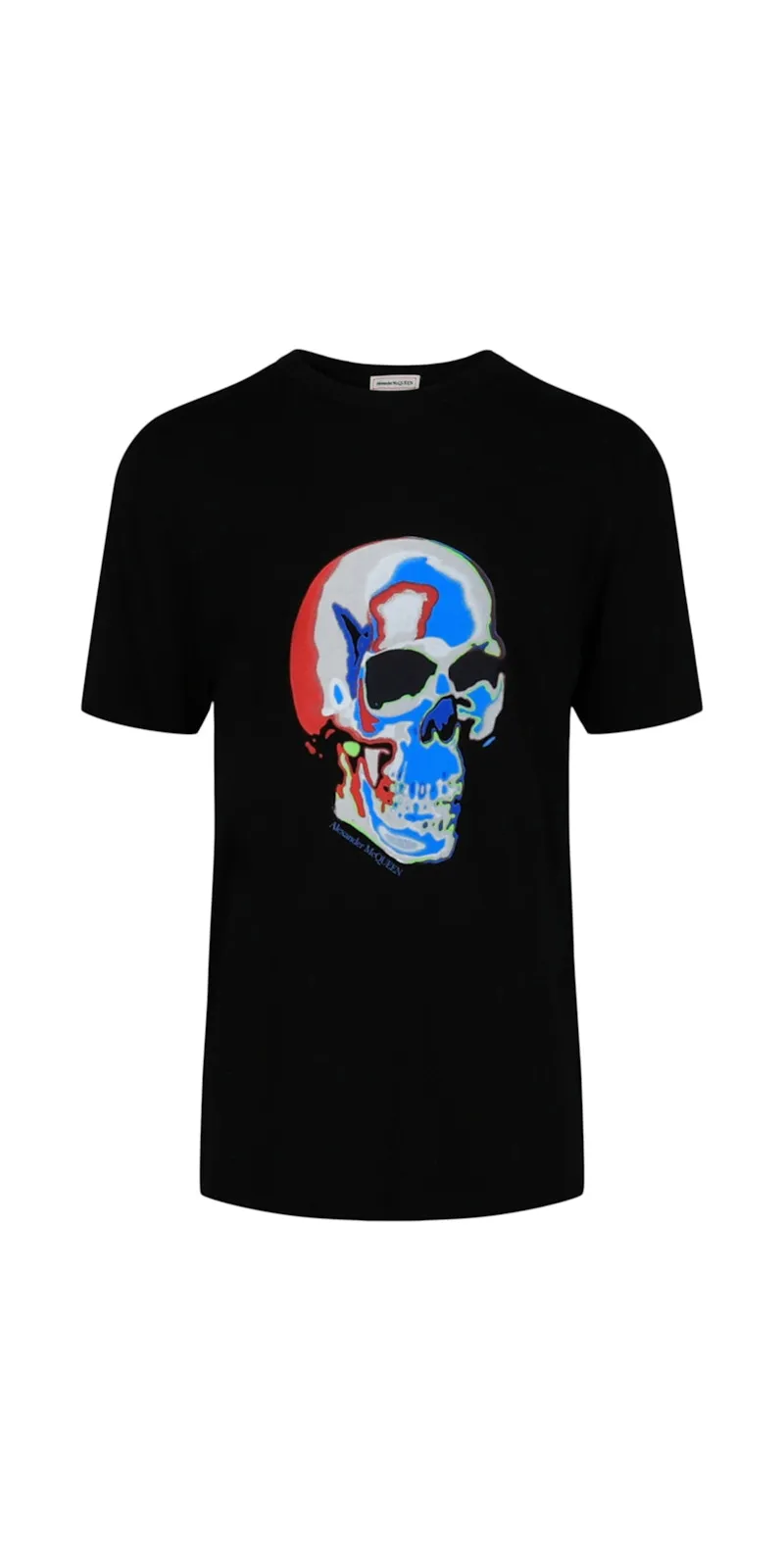
Around four hundred twenty dollars is a high luxury price, reflecting the house's prestige, premium fabric, and refined construction.
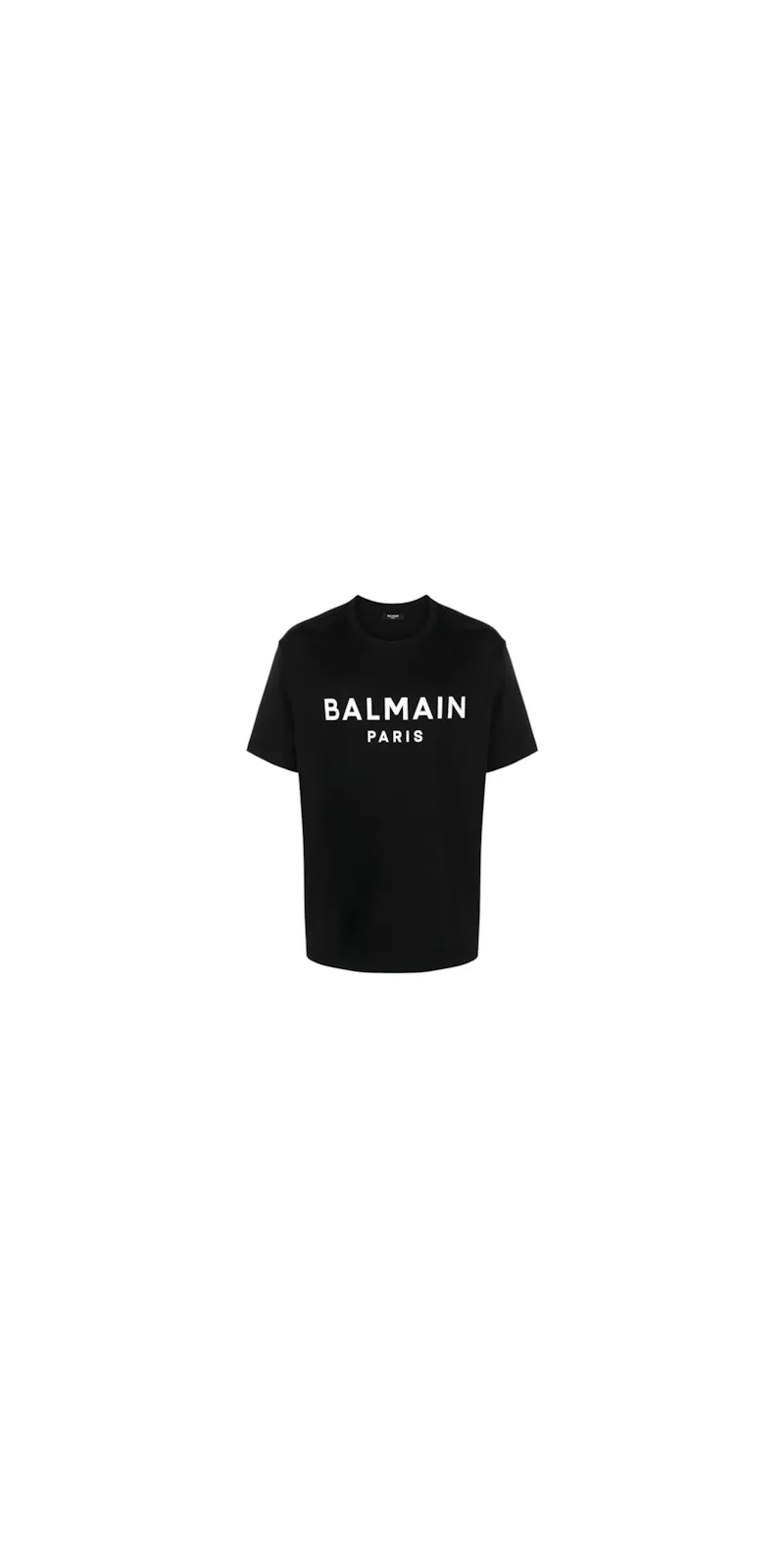
Around four hundred fifty dollars is a high luxury price, reflecting the house's status, premium fabric, and refined branding.
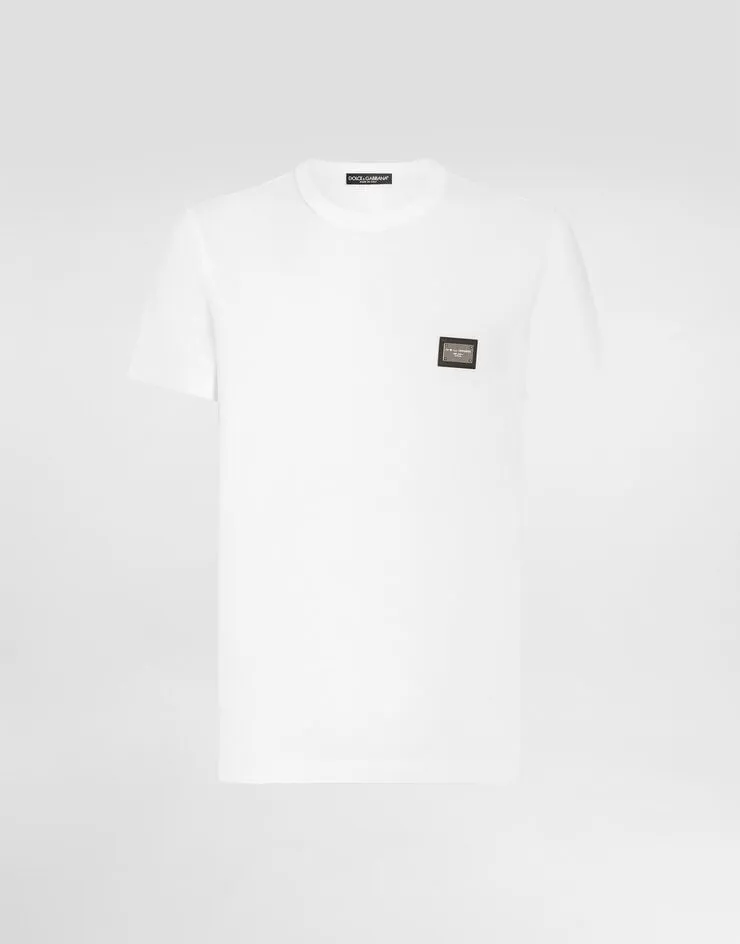
Around four hundred fifty dollars is a high luxury price, reflecting the house's prestige, premium fabric, and ornate detailing.
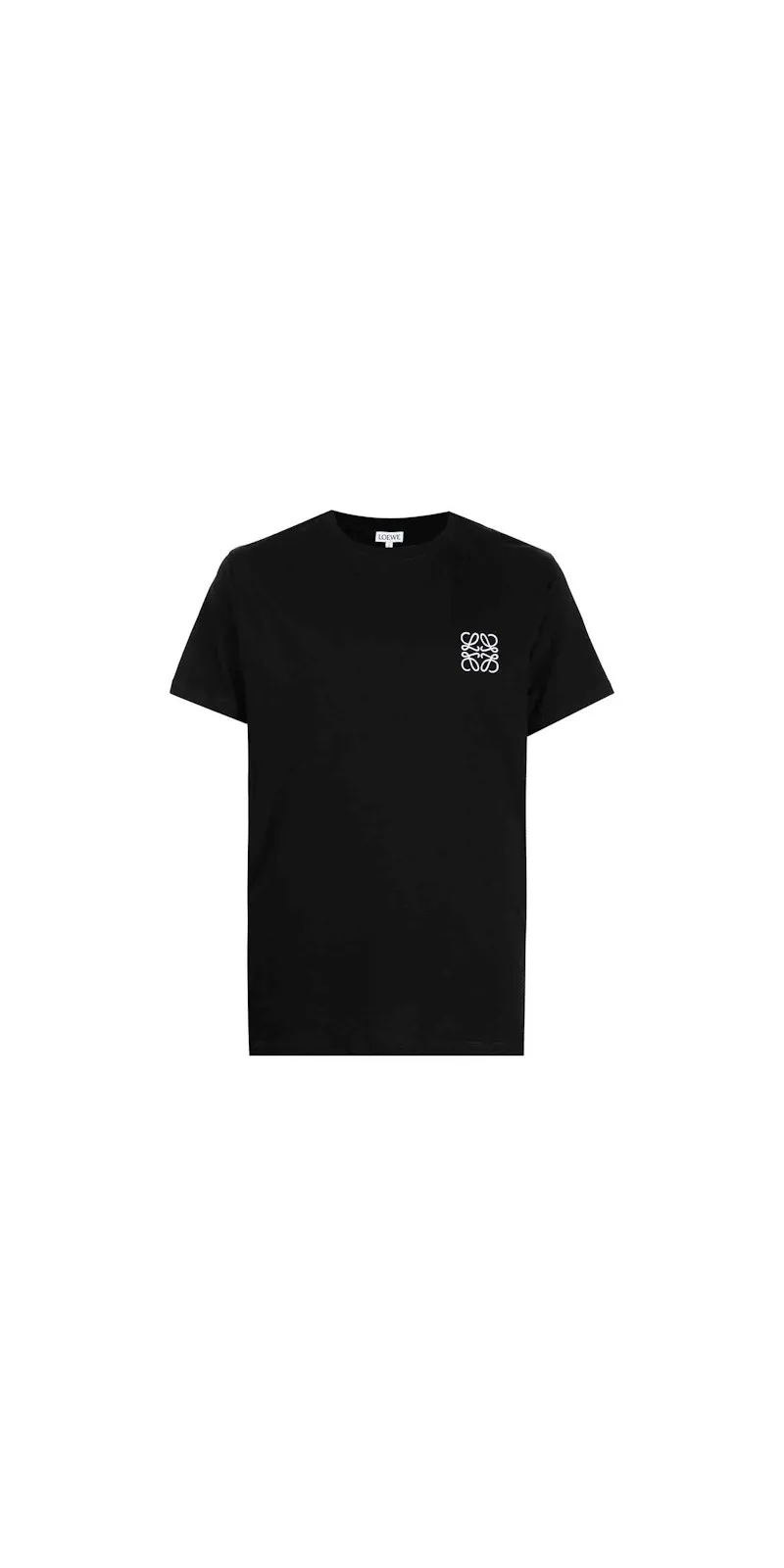
Around four hundred fifty dollars is a high luxury price, reflecting the house's prestige, premium fabric, and craft-driven detailing.
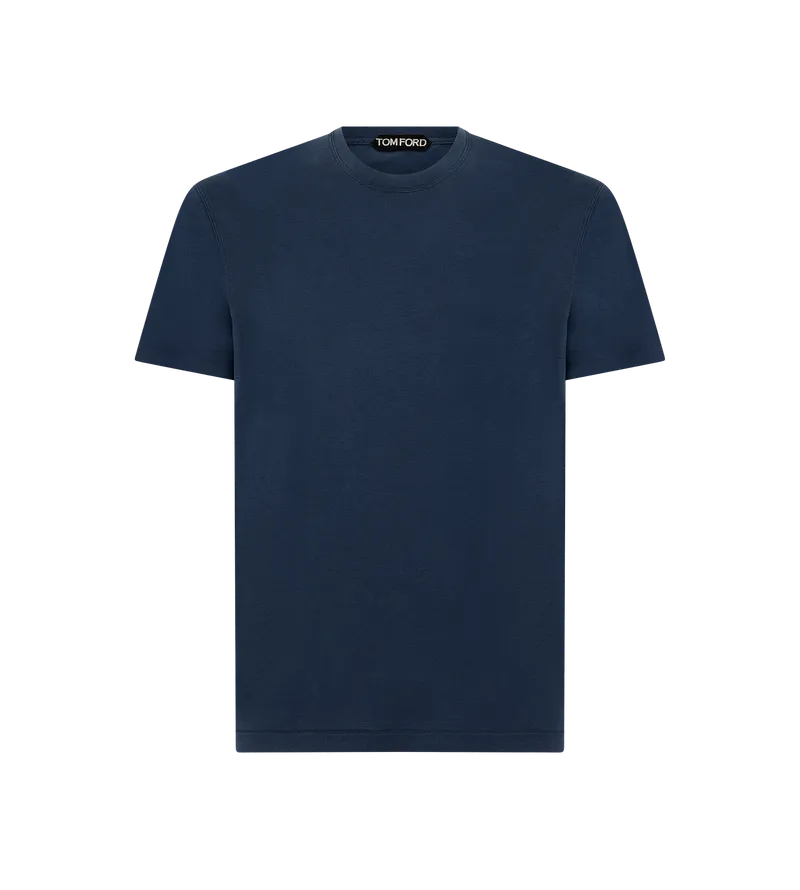
Among the steepest tee prices at $480, paid for the silky blend, precise fit, and the Tom Ford name. Reviewers note the hand and cut are genuinely refined, but the spend is a pure luxury statement.
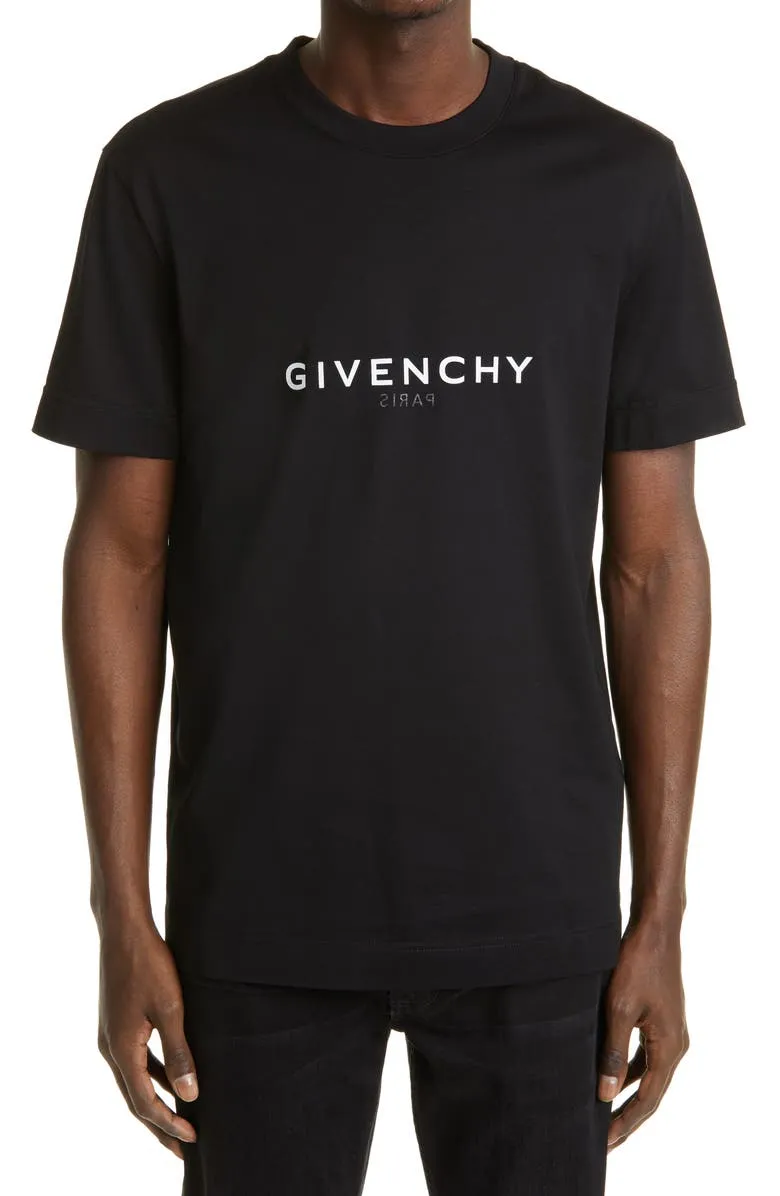
Approaching five hundred dollars reflects the house's luxury status, premium fabric, and refined construction; it is a designer indulgence.
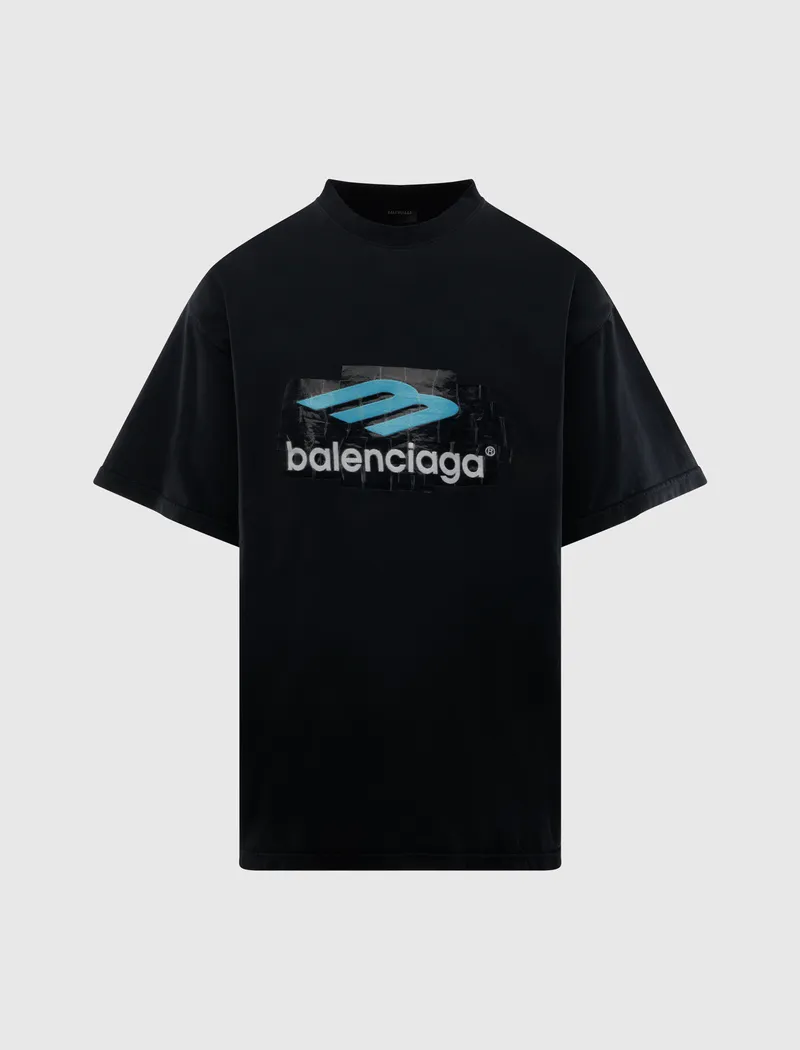
A designer price at $550 paid for the dramatic cut and the brand. Reviewers note the heavy cotton is solid but the spend is overwhelmingly for the oversized silhouette and Balenciaga name.
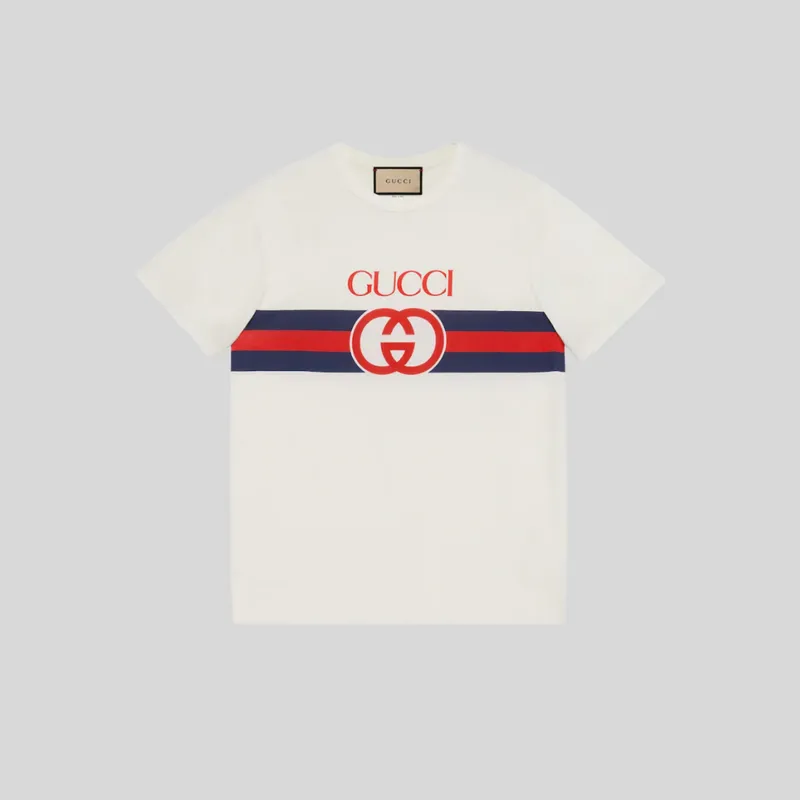
A designer price at $590 driven almost entirely by the logo and brand cachet. Reviewers note the cotton is solid and the print well-made, but the spend is a status purchase, not value.
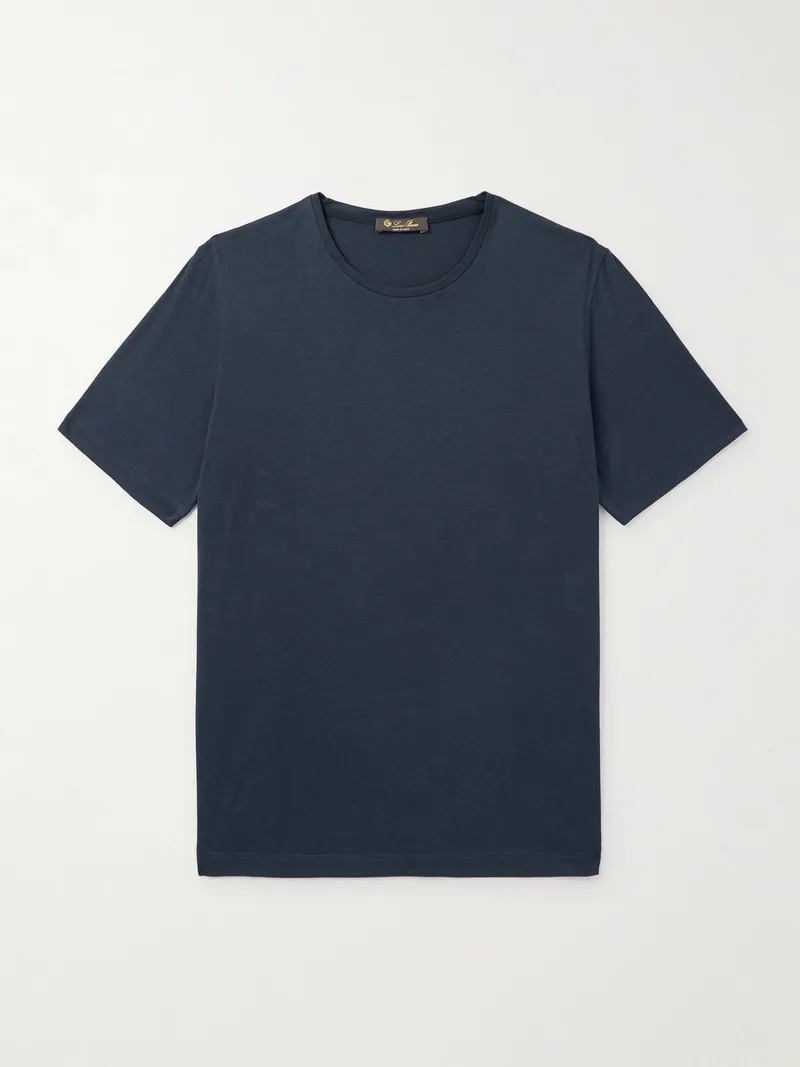
Approaching six hundred dollars reflects extraordinary fibers and finishing, though it is a true luxury indulgence.
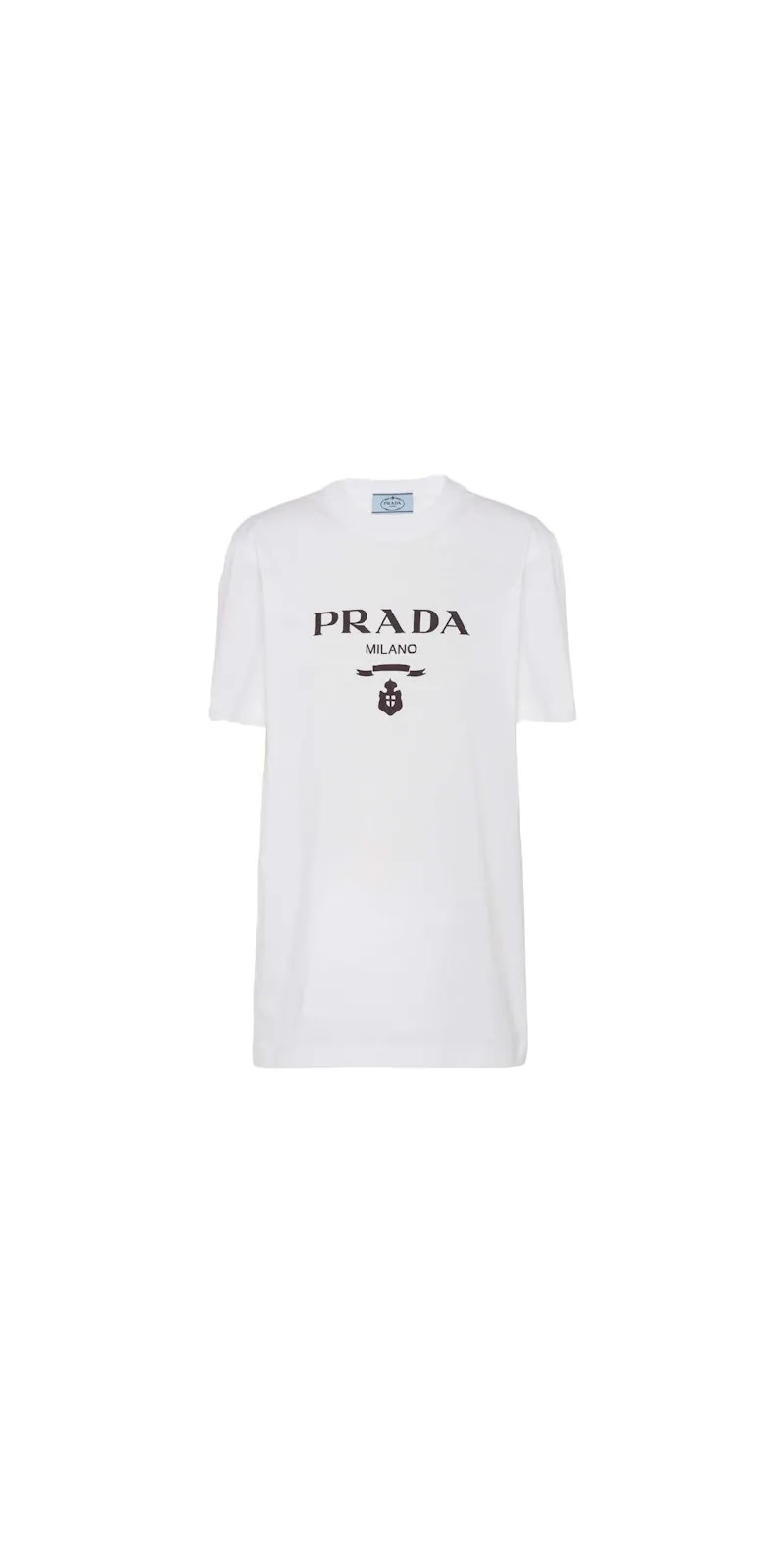
Approaching six hundred dollars reflects the house's prestige, premium fabric, and refined construction; it is a true luxury statement.
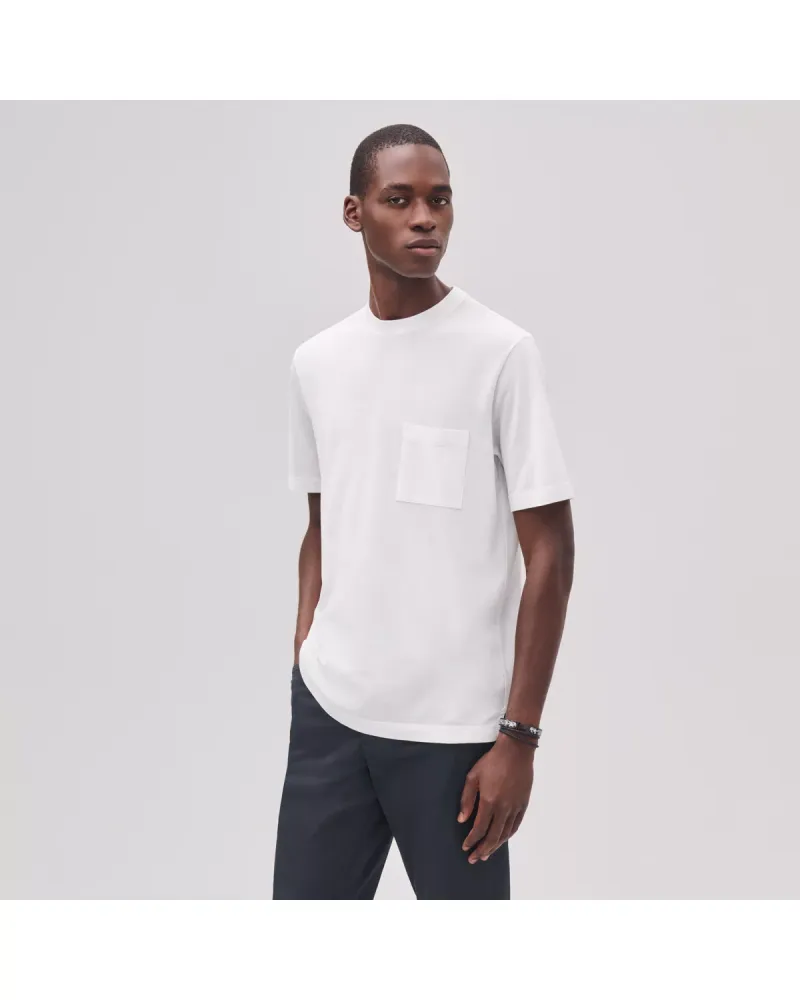
Approaching six hundred dollars reflects the house's unmatched prestige, exceptional fabric, and impeccable construction; it is the ultimate luxury indulgence.
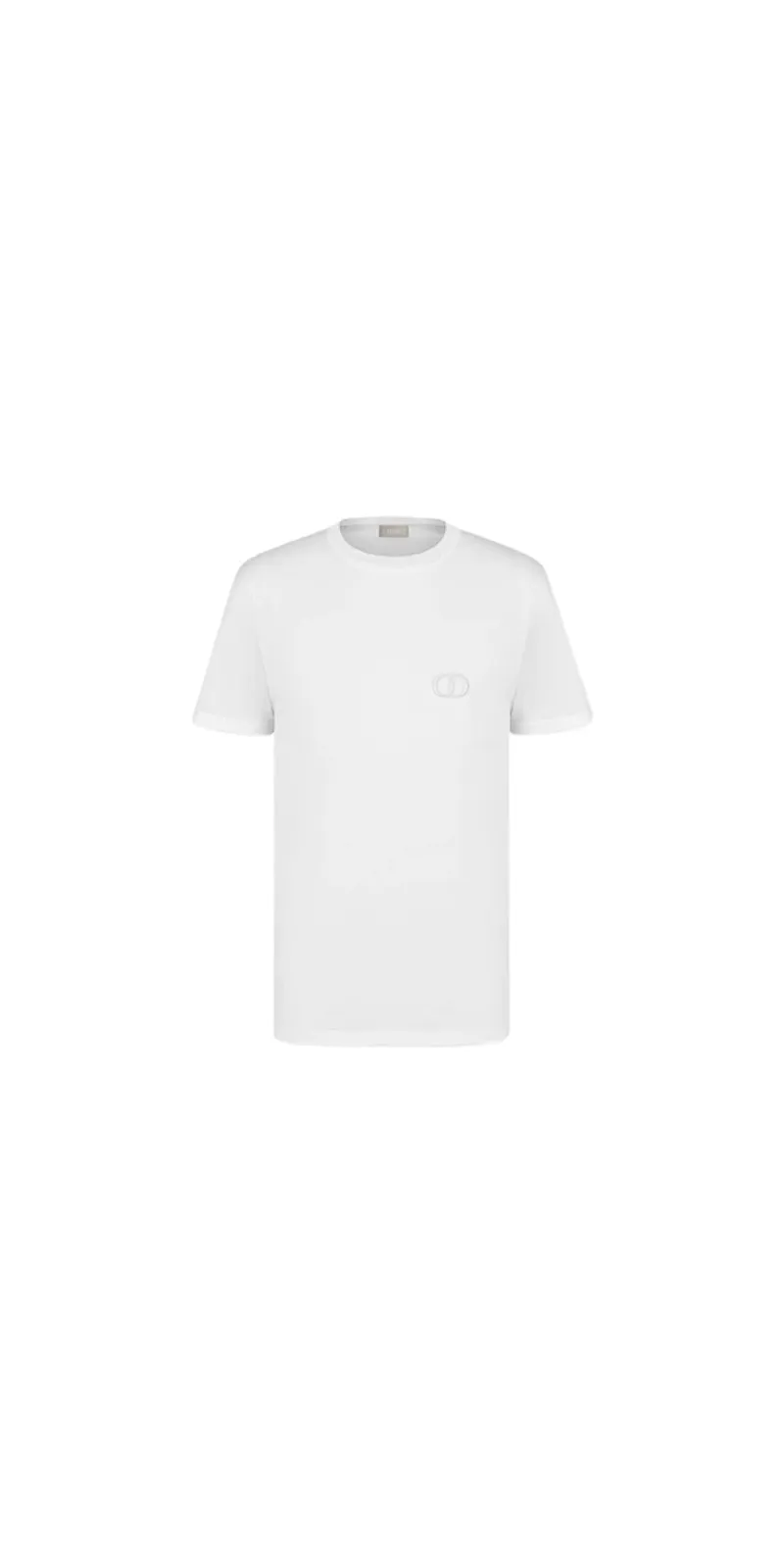
Approaching seven hundred dollars reflects the house's exceptional prestige, premium materials, and couture-level finishing; it is a true luxury indulgence.
Where the money goes at each tier: The real cost of denim
Still deciding between two?
We haven't ranked every brand. Suggest one. It gets the same review as everyone else.
Prices are each brand's representative t-shirt and may change. The take on each is ours, not the brand's.